Blog
Adding a turntable to your Pi-based audio system
Vinyl playback and Raspberry Pi–based audio systems might seem like they belong to different eras, but they work surprisingly well together. With the right hardware and software choices, a Raspberry Pi can become a flexible, high-quality front end for your turntable—whether you’re listening live or digitizing records.
This post walks through the key concepts and options, from turntable hardware to RIAA equalization.
Why Vinyl Still Matters
Despite the convenience of streaming and digital audio, vinyl continues to attract listeners for several reasons:
- Physical ownership: Records are tangible, collectible, and often come with artwork and liner notes that don’t exist in digital form.
- Mastering differences: Many vinyl releases use different masters than their digital counterparts, sometimes with less aggressive compression.
- Listening experience: Vinyl encourages active listening. You don’t skip tracks as easily, and the ritual itself is part of the appeal.
- Longevity: A well-pressed record, properly cared for, can last decades without depending on file formats or software ecosystems.
For many people, vinyl isn’t about nostalgia—it’s about engagement and sound character.
Turntable Options
Before connecting anything to a Raspberry Pi, it’s important to understand the different classes of turntables and what they typically provide.
USB Turntables
USB turntables integrate a cartridge, RIAA preamp, ADC, and USB interface into a single device.
- Simple to use
- No extra hardware required
- Convenient, but typically the lowest audio quality option
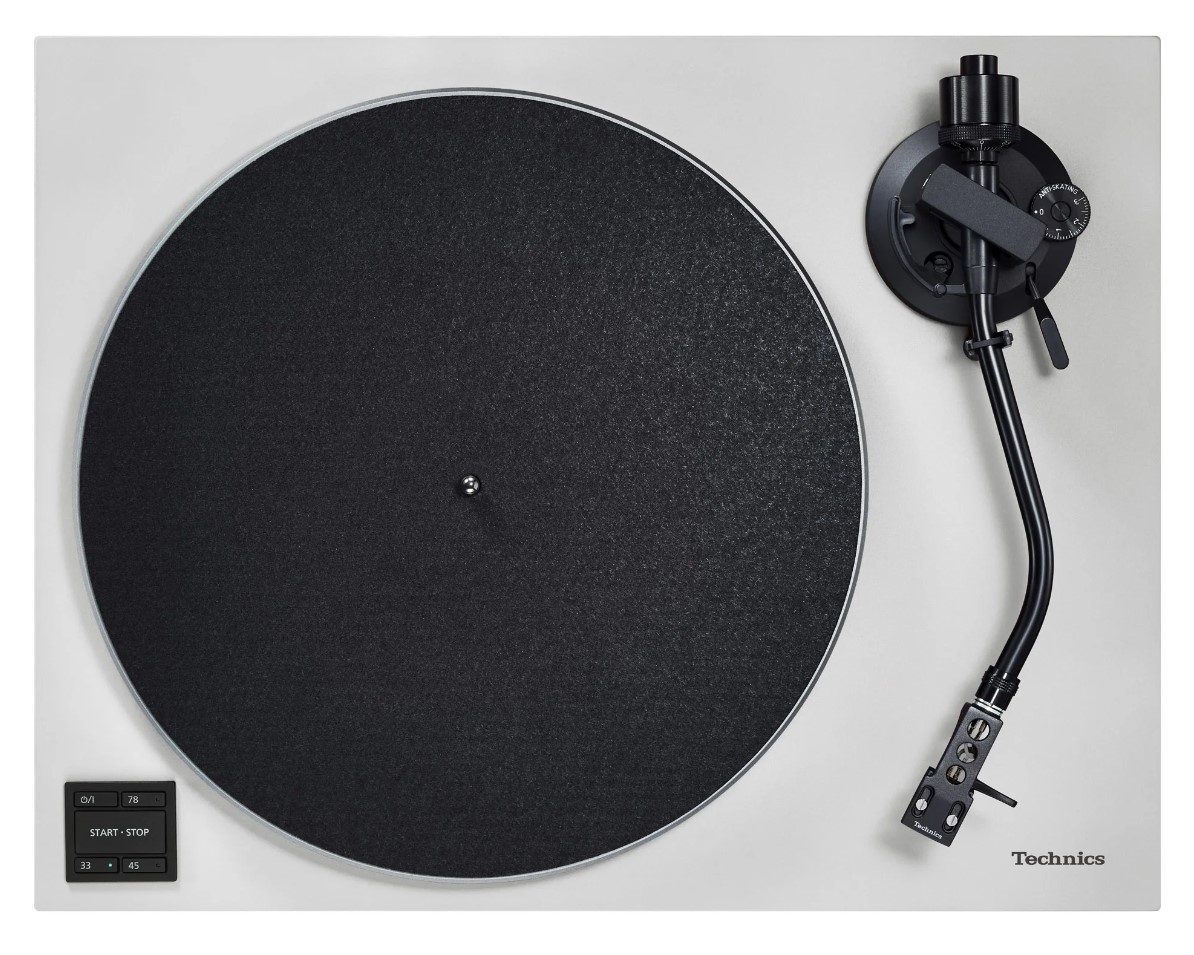
Mid-Range Turntables ($300–$1000)
This is where vinyl playback becomes interesting.
- Usually fitted with moving magnet (MM) cartridges
- Better mechanical design (platter, bearing, tonearm)
- Often no integrated RIAA preamp
- Excellent price-to-performance ratio
These turntables assume you’ll use an external preamp and higher-quality ADC, making them a great match for Raspberry Pi audio setups.
More Expensive Turntables
High-end turntables typically focus on precision and cartridge quality.
- Often use moving coil (MC) cartridges
- Usually no RIAA preamp
- MC cartridges often have lower output levels
- Require more careful gain staging
While these setups can deliver outstanding results, this approach is aimed at listeners who want to achieve the highest possible audio quality. It is not uncommon to spend tens of thousands of dollars on a complete setup, and in extreme cases, systems can easily reach 100,000 USD or more.
What a RIAA Preamp Does
Vinyl records are not recorded with a flat frequency response.
During cutting, low frequencies are reduced and high frequencies are boosted. This is done to reduce groove width at low frequencies and minimize surface noise at high frequencies.
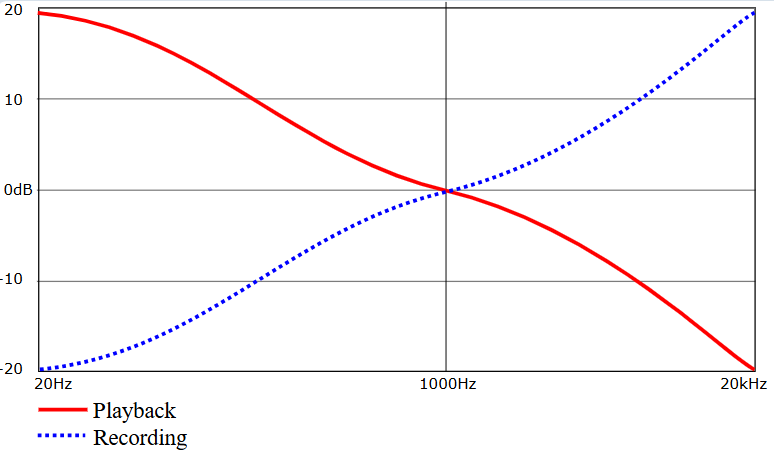
A RIAA preamp reverses this process during playback by boosting bass, reducing treble, applying a standardized RIAA equalization curve, and amplifying the tiny cartridge signal, often only a few millivolts.
Without RIAA equalization, vinyl playback will sound thin, harsh, and incorrect.
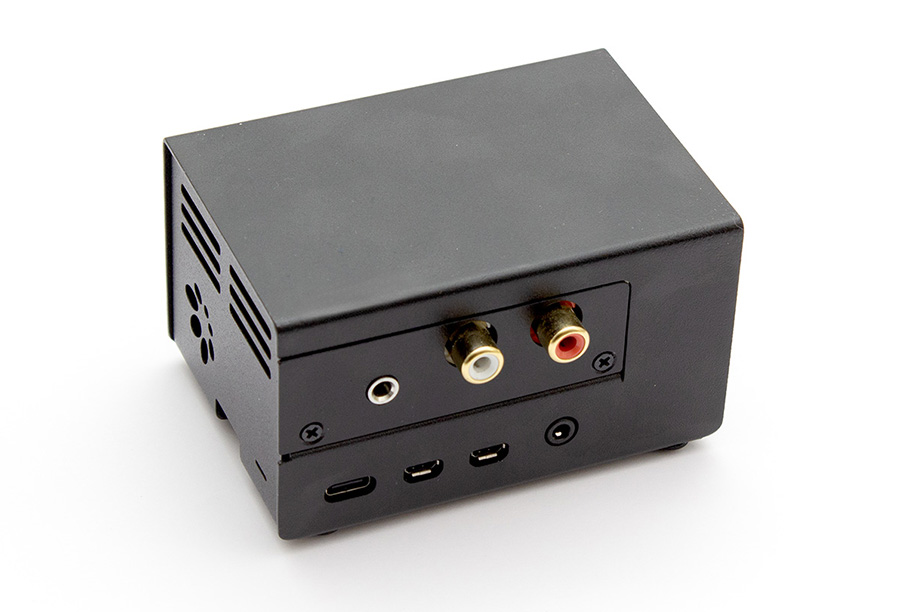
External RIAA Preamp (or Integrated Preamp)
This is the traditional and simplest method.
Turntable → RIAA preamp → ADC → Raspberry Pi
Analog hardware handles gain and equalization.
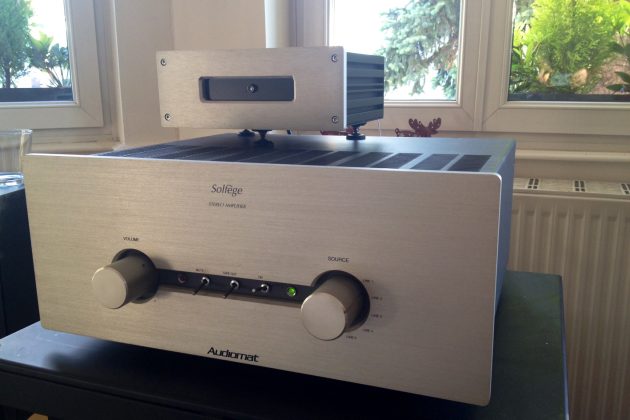
RIAA preamps are available in a very wide price range. Basic models can cost as little as 20–30 USD, while high-end designs can reach several thousand dollars, depending on circuit design, component quality, and build.
Many mid-range turntables rely on this setup, and some models include a built-in RIAA stage.
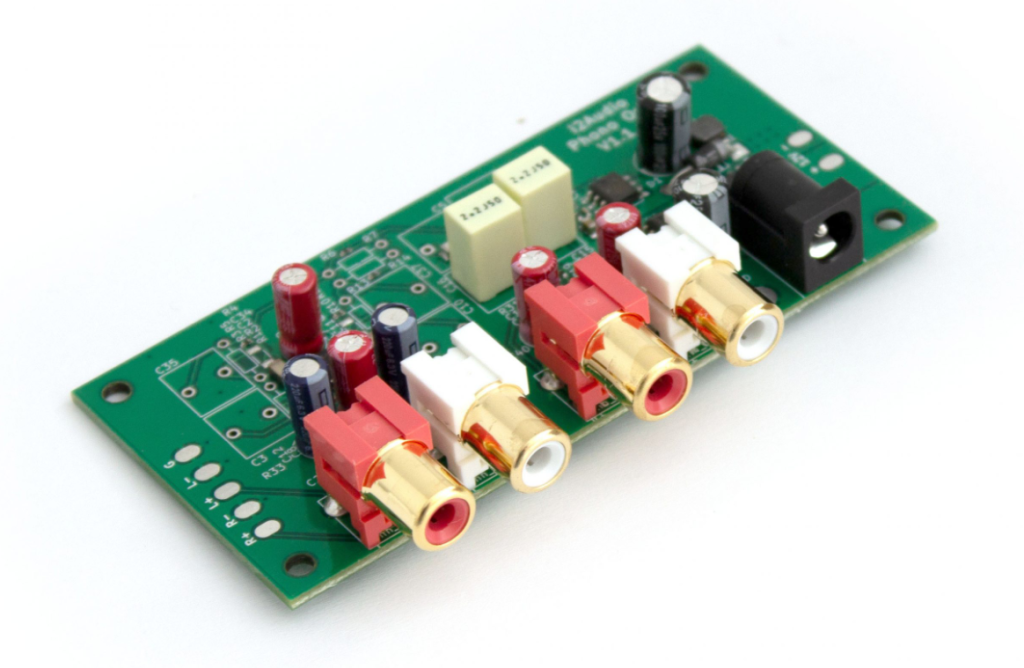
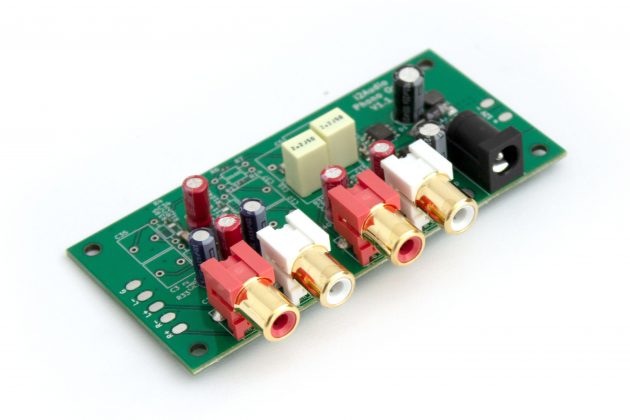
For users interested in a do-it-yourself approach, the i2Audio Phone One is a well-regarded
DIY RIAA preamp option that offers excellent performance and flexibility.
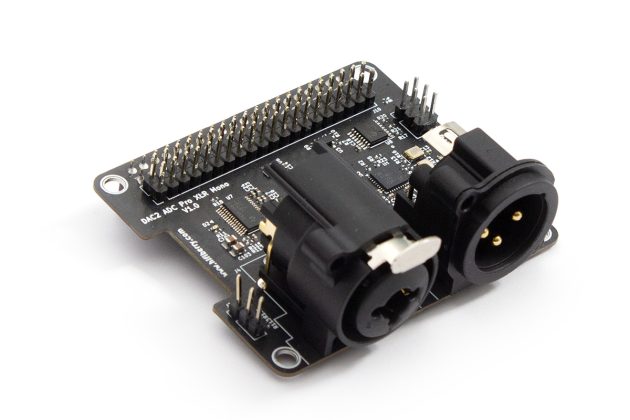
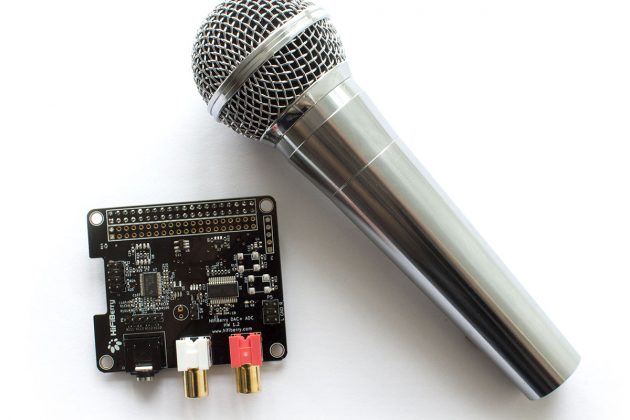
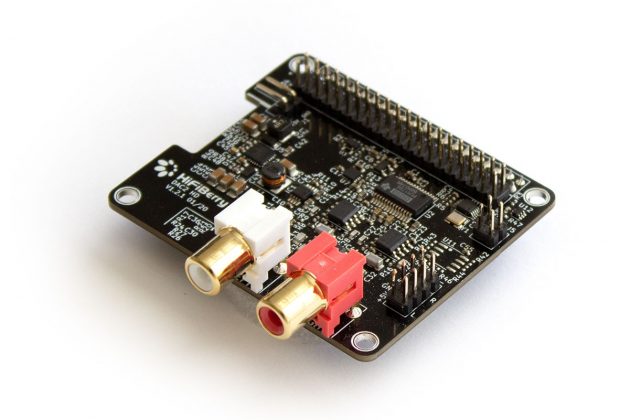
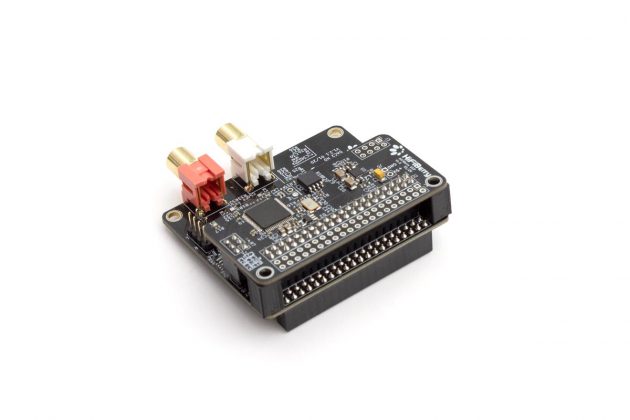
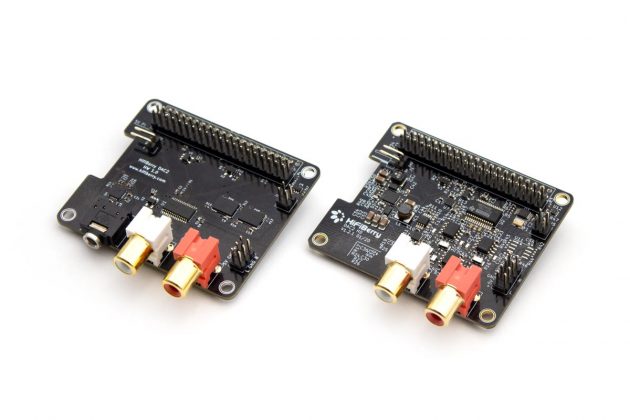
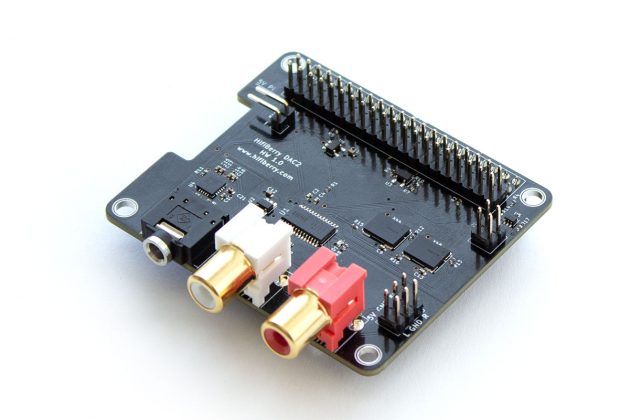
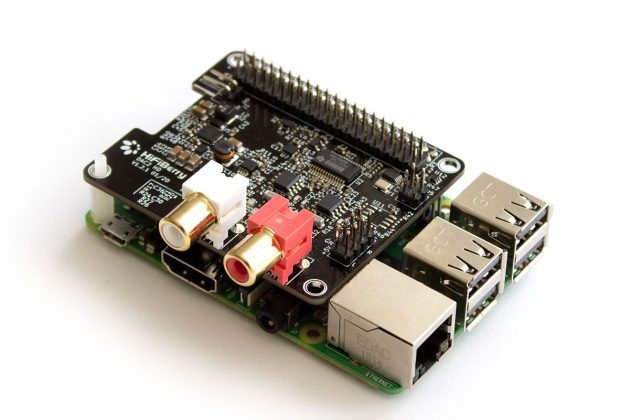
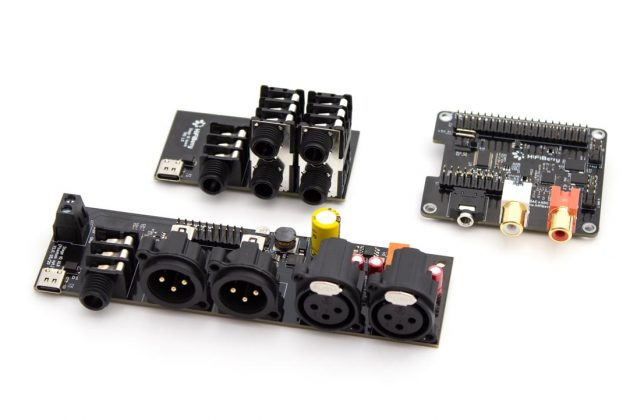
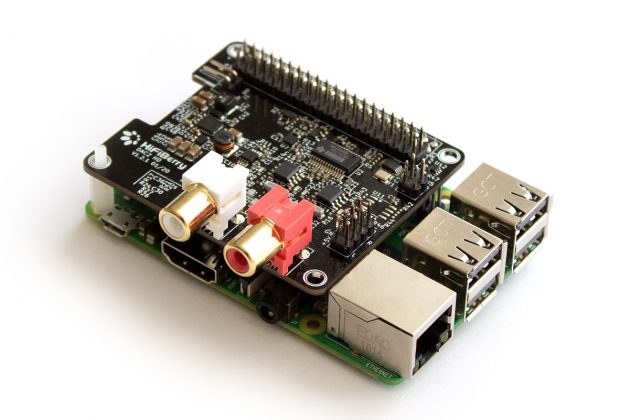
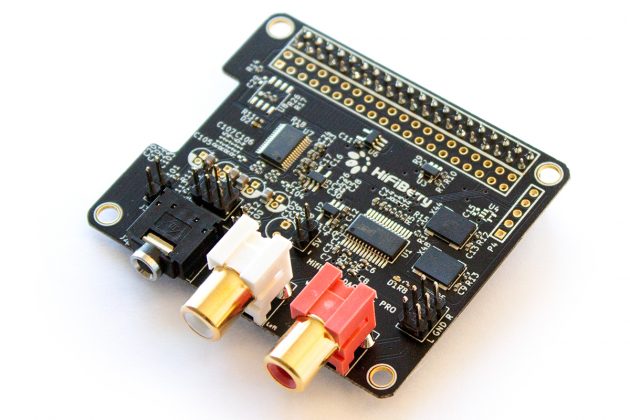
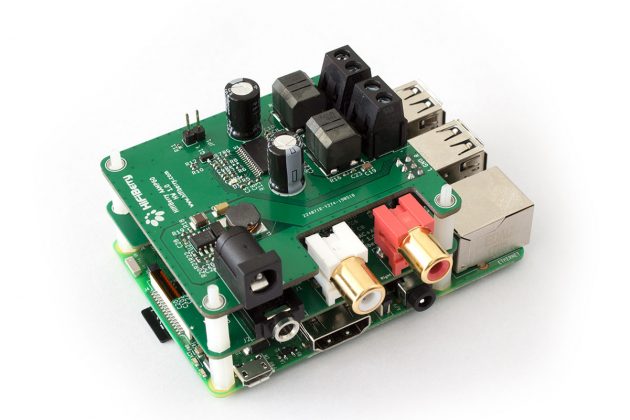
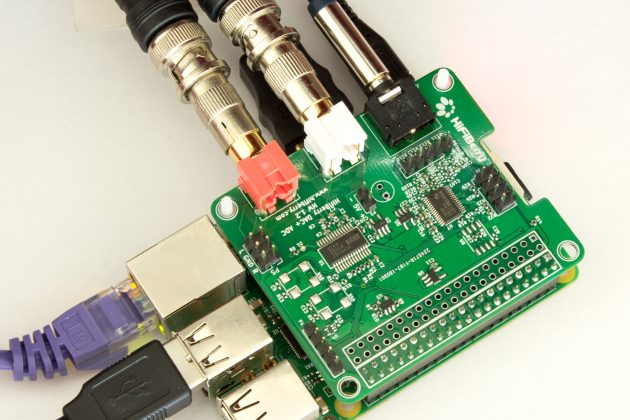
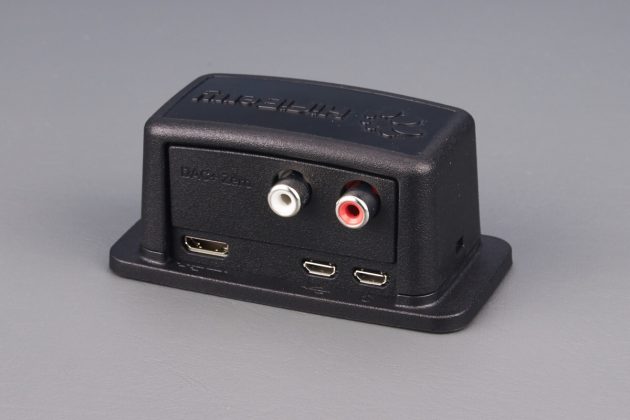
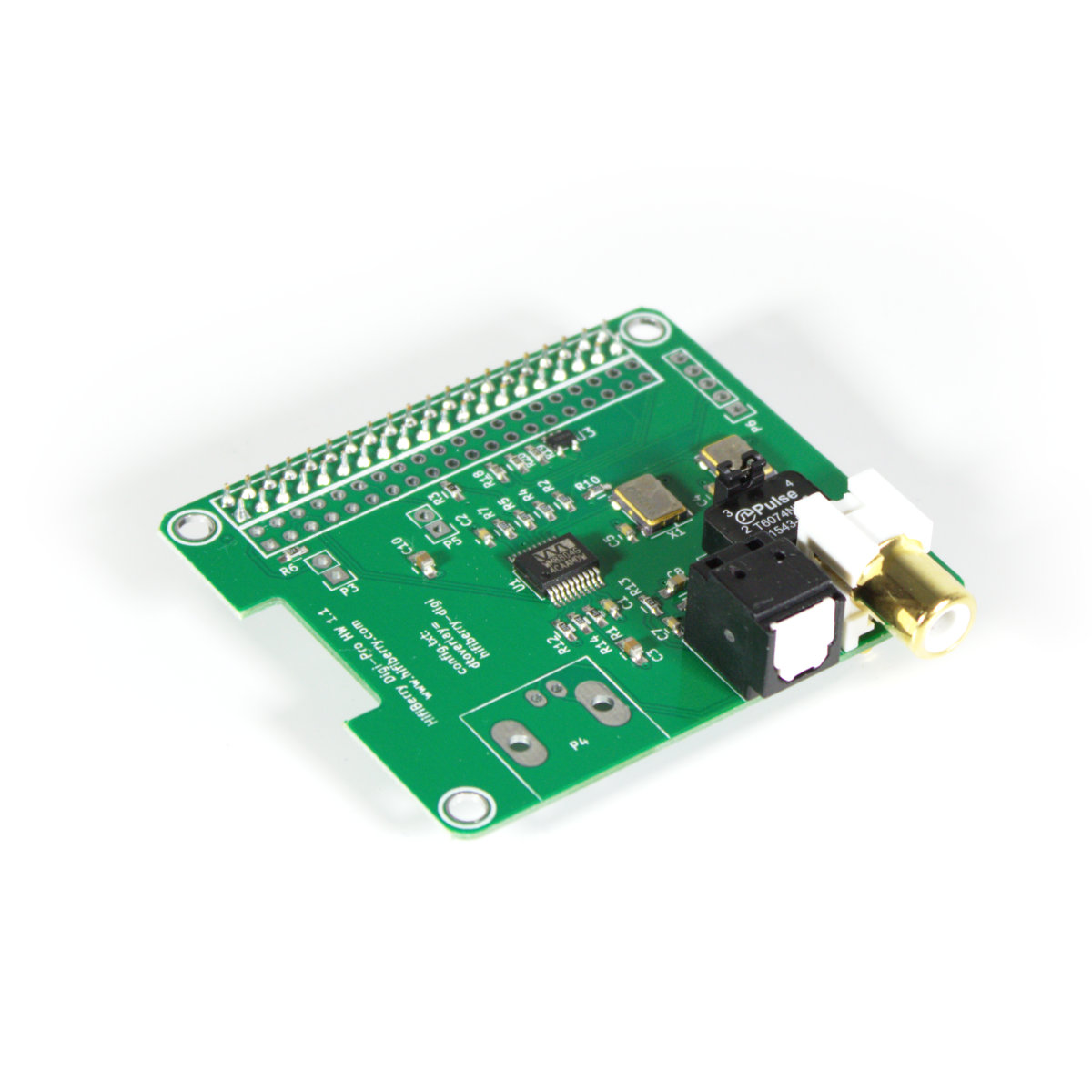
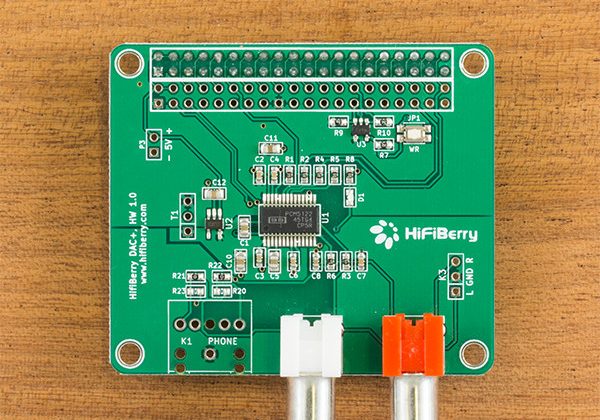
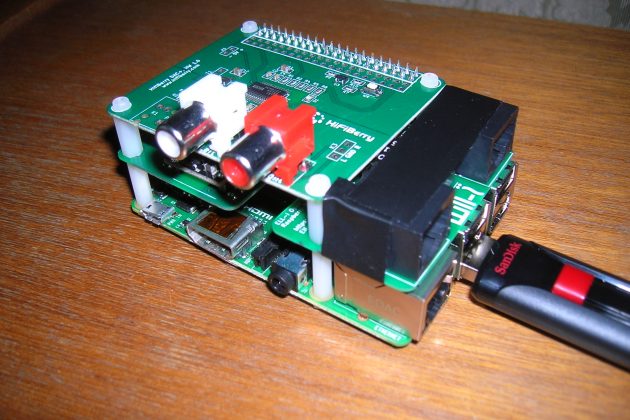
Using the HiFiBerry DAC2 ADC Pro
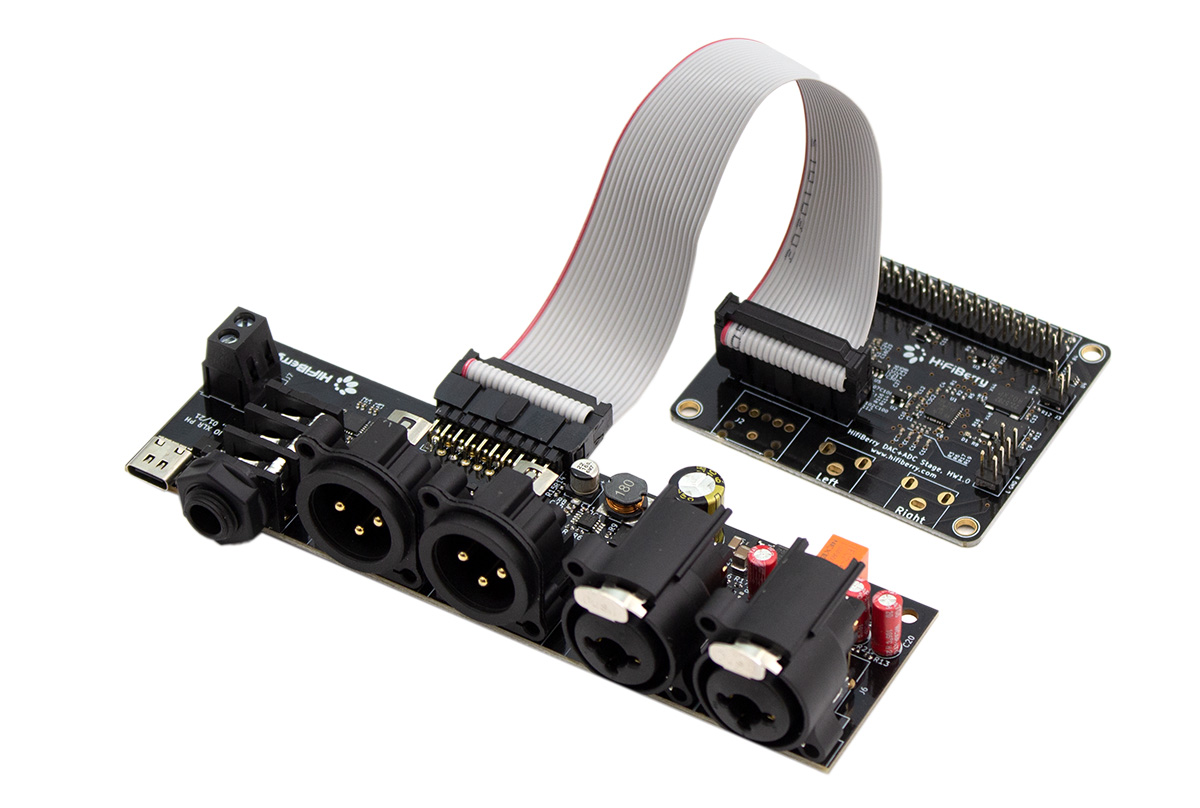
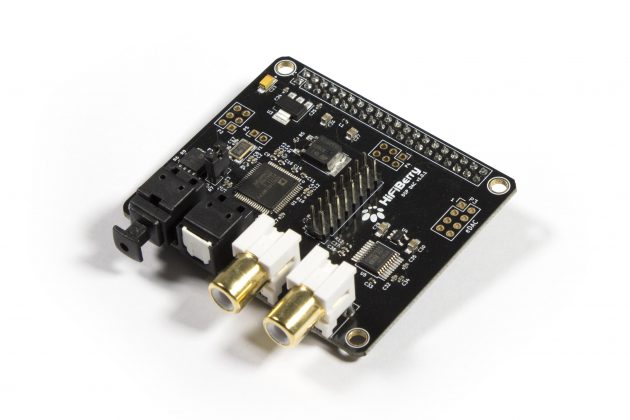
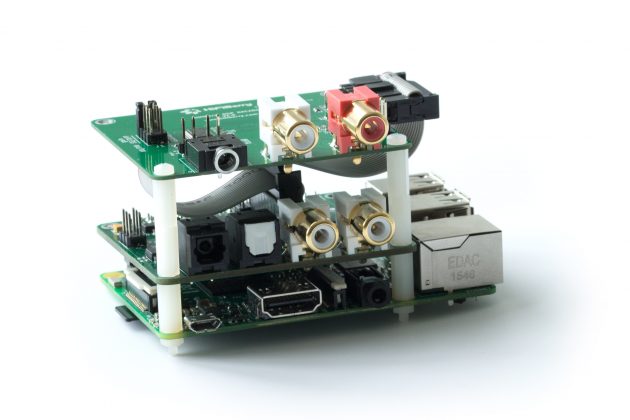
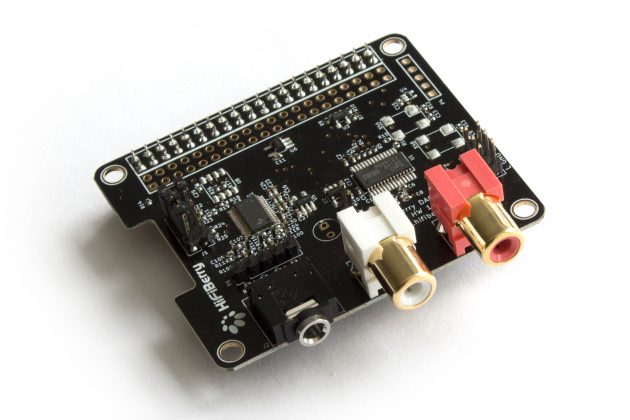
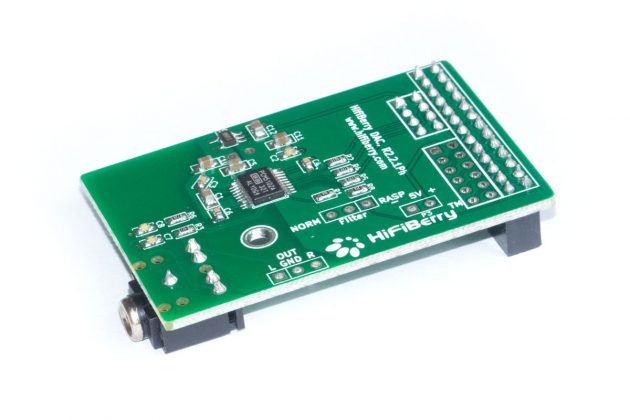
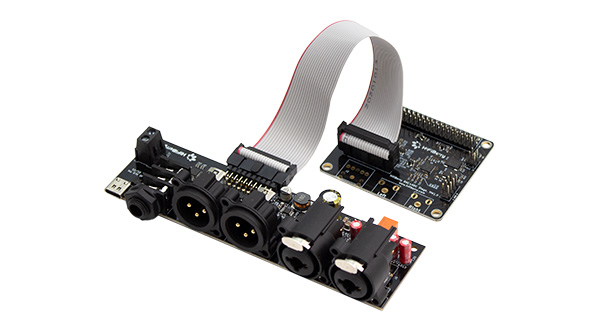
The HiFiBerry DAC2 ADC Pro is particularly well suited for turntable integration.
- Provides up to -10db to 40 dB of analog gain to work well with and without RIAA preamps
- Enough for all MM cartridges and high-output MC cartridges
- High-quality ADC with low noise
This means that for most turntables, you can connect directly to the DAC2 ADC Pro without a traditional RIAA preamp and handle equalization in software instead.
Low-output MC cartridges still require a step-up transformer or dedicated MC preamp, but that’s true for almost any setup.
Software RIAA Options
Once the signal is digitized without RIAA correction, you have two main software paths.
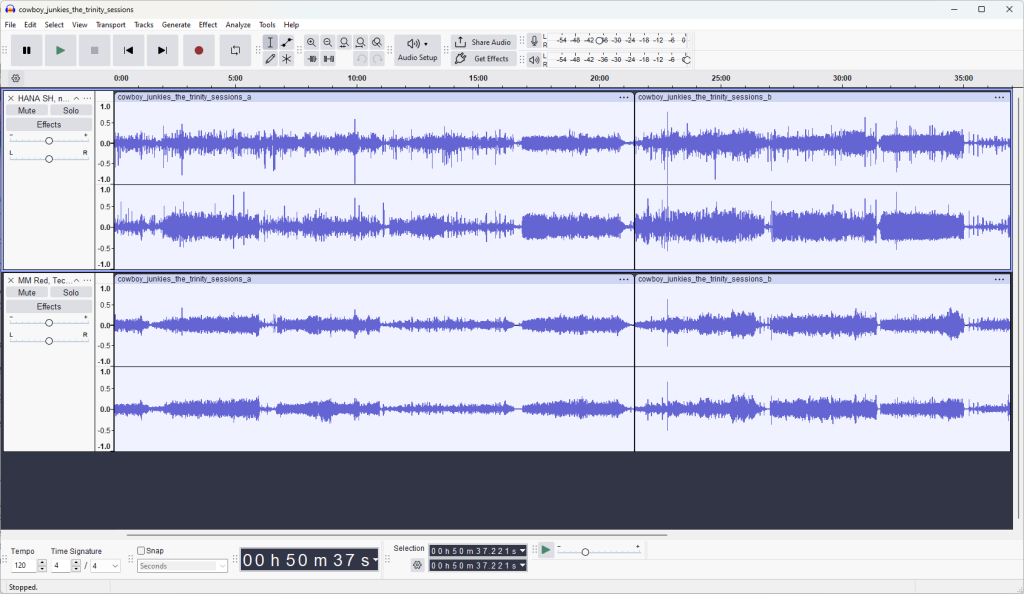
Record Unequalized Audio
This is ideal for archiving.
- Capture the raw signal
- Apply RIAA correction later
- Tools like Audacity support accurate RIAA curves
- Allows experimentation and precise control
- This also gives you the option to use de-click and/or de-noise filters to further improve the recording
This method is slow but gives maximum flexibility and repeatability.
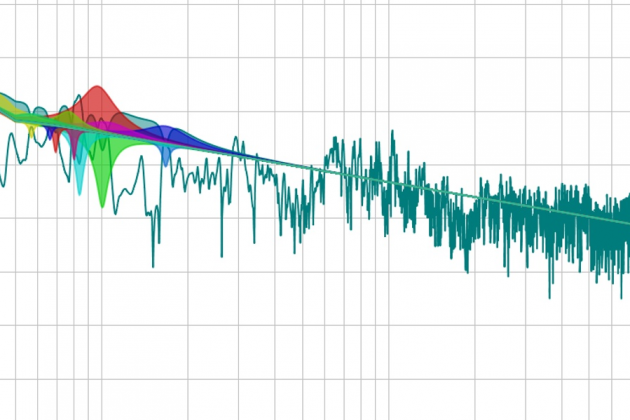
Live Inverse RIAA (e.g. with PipeWire)
For real-time listening, you can apply inverse RIAA in the audio pipeline using PipeWire DSP filters or LADSPA/LV2 plugins and listen to vinyl live through speakers or headphones.
We will dig into these Software RIAA options in future blog posts.
This turns the Raspberry Pi into a full digital phono stage with software-defined equalization.
January 13, 2026