Blog
Raspberry Pi + AI Coding Assistants: A Perfect Match for Audio Software
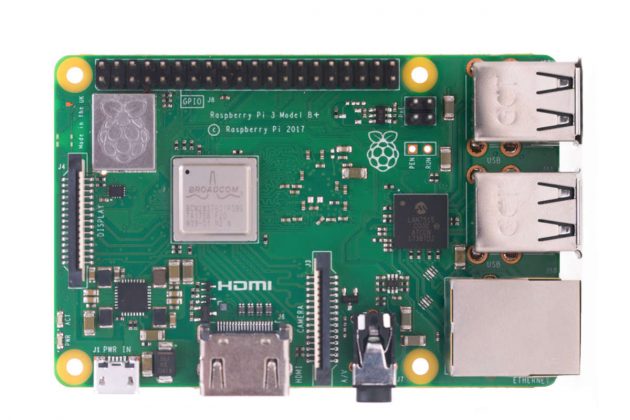
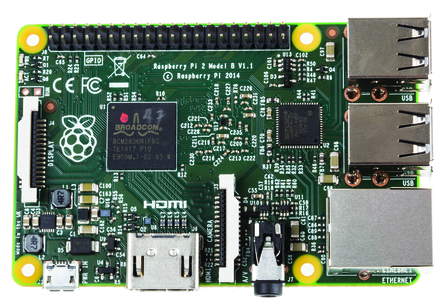
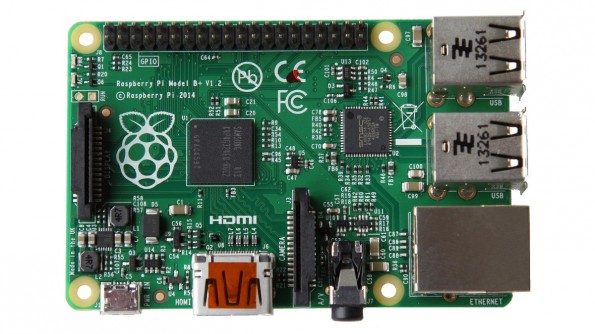
The Raspberry Pi changed what’s possible in embedded audio. But there’s a new layer on top of that: AI coding assistants.
Here’s why this combination is quietly becoming one of the best setups for audio developers:
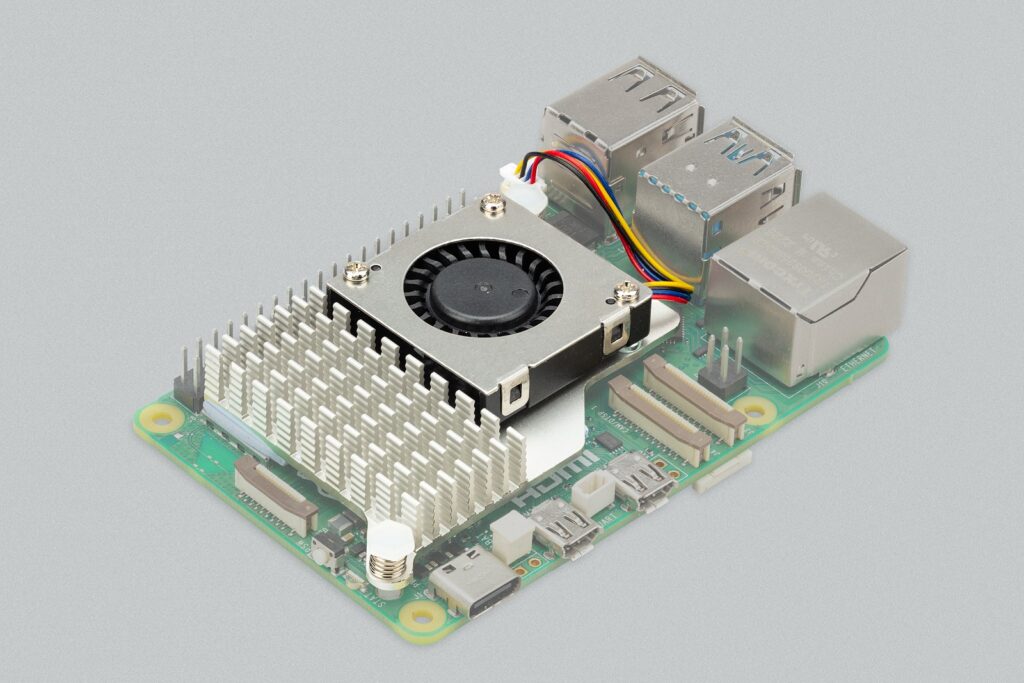
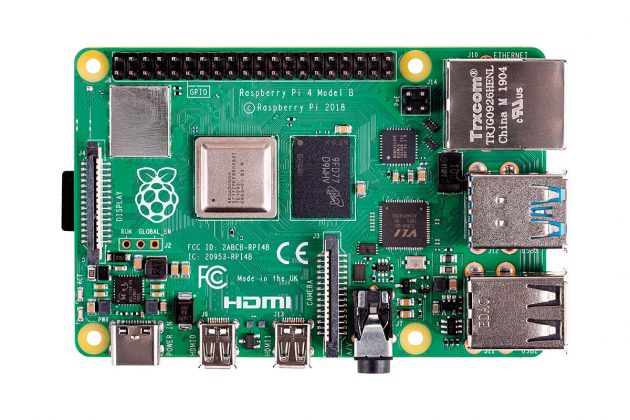
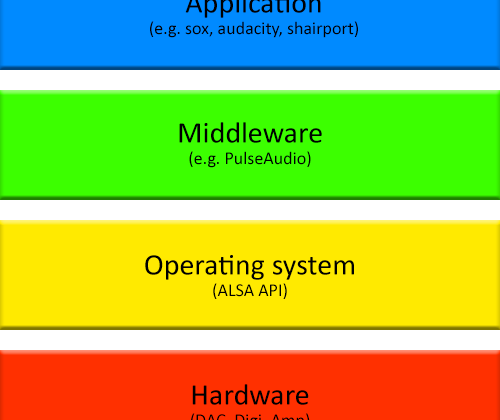
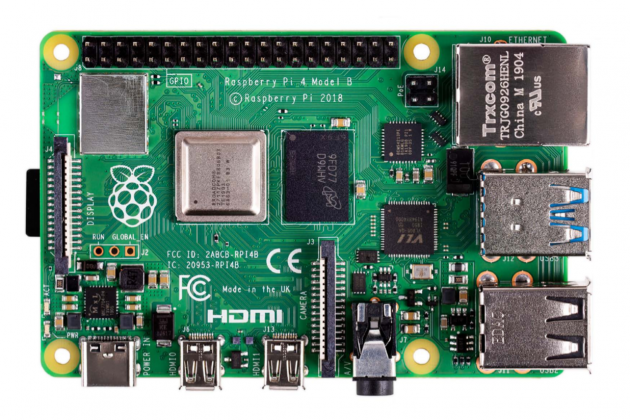
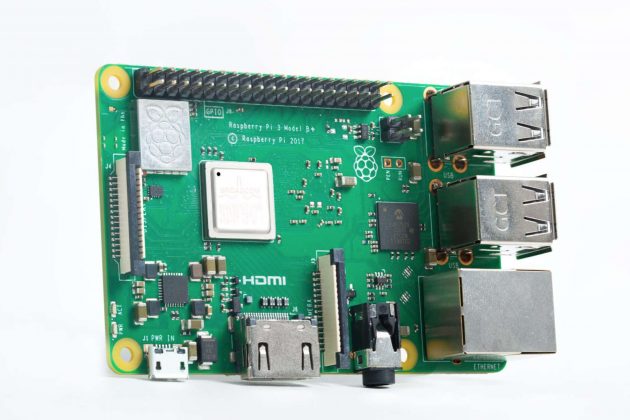
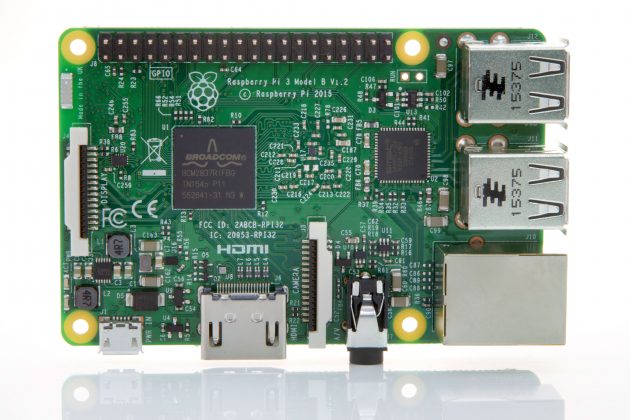
The Pi runs real Linux. That means Python, ALSA, PipeWire, GStreamer, FFmpeg — the full stack. Not a microcontroller with limited libraries. Not a locked-down DSP. A real computer you can program however you want.
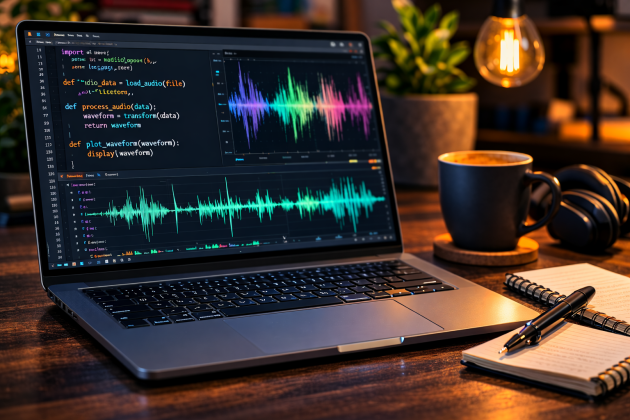
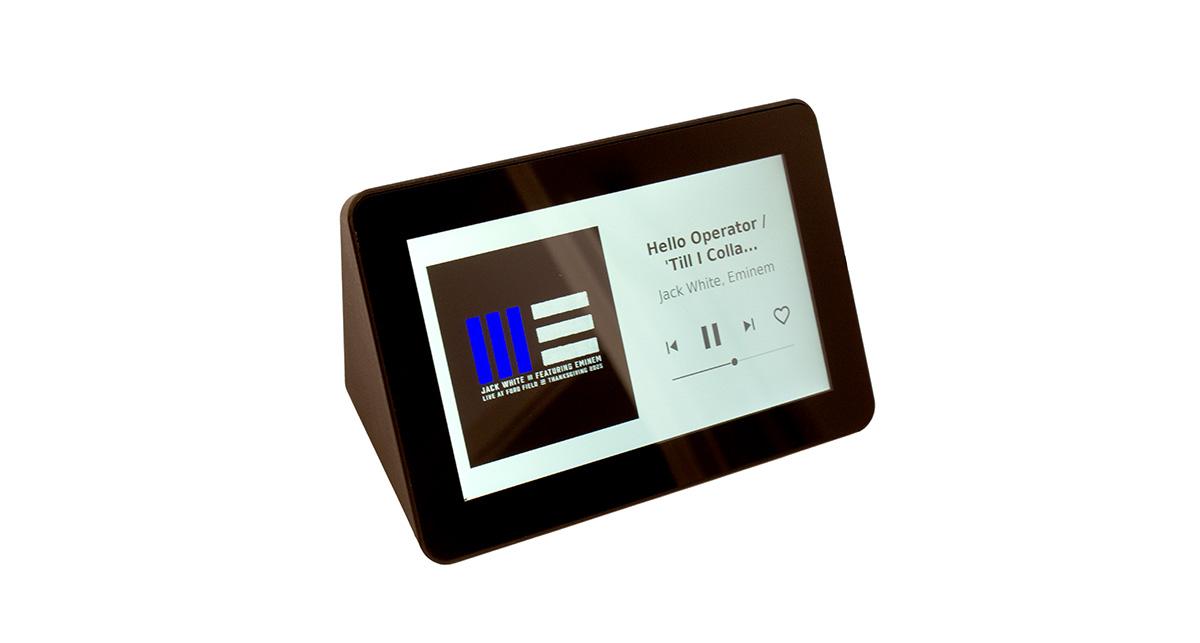
AI coding assistants remove the barrier to custom software. You don’t need to be a systems programmer to build a music player that does exactly what you want. Want gapless playback with crossfade? A spectrum analyser that logs data to a database? A room correction filter that adjusts based on sensor input? Describe what you want, iterate with the assistant, ship it.
The use cases are everywhere:
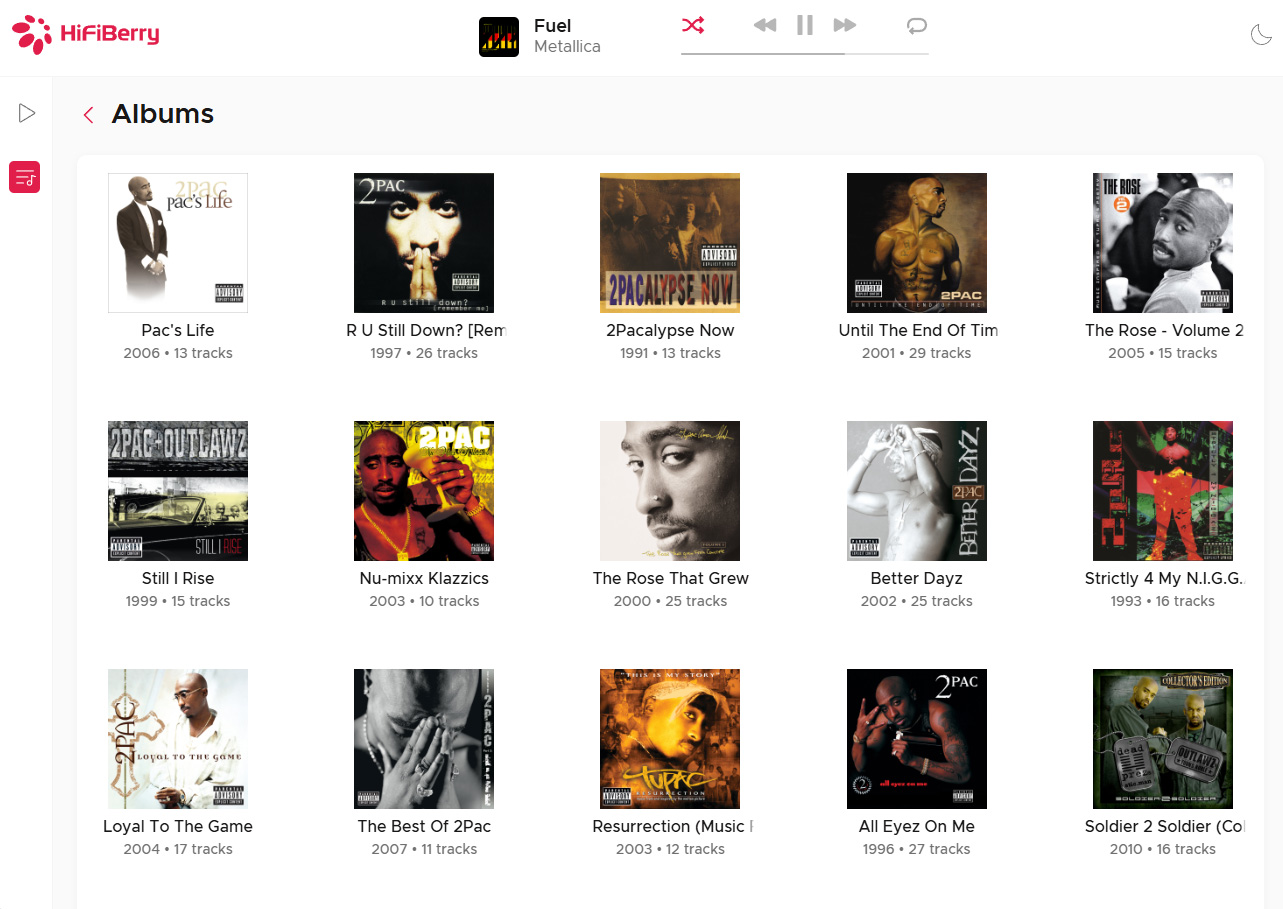
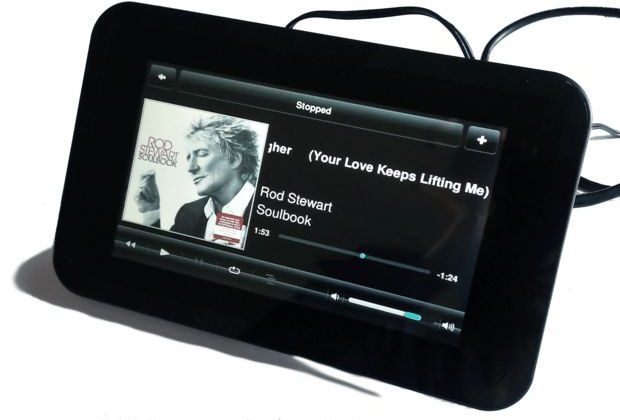
- Custom media players with precise control (no bloat, no telemetry, no subscriptions)
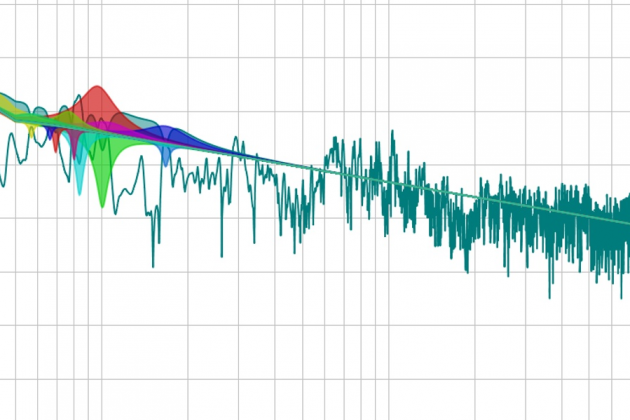
- Audio analysis tools: level meters, frequency analysers, loudness measurement (EBU R128)
- Automated test rigs for speaker and amplifier QA
- Smart room audio with sensor-driven mixing
- Multi-room sync engines built exactly to your spec
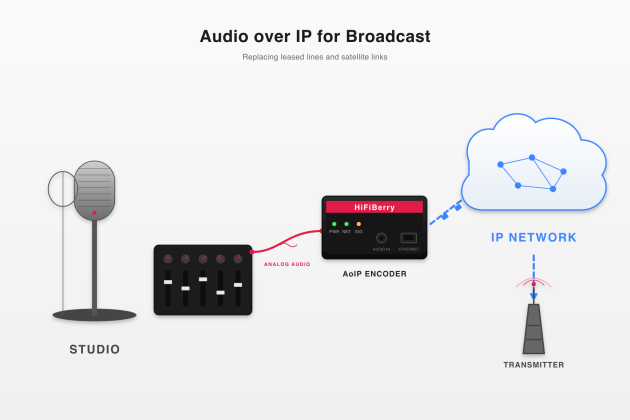
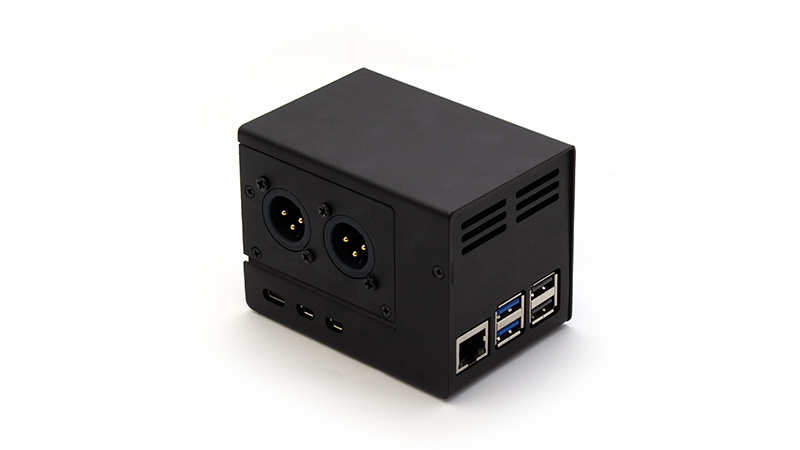
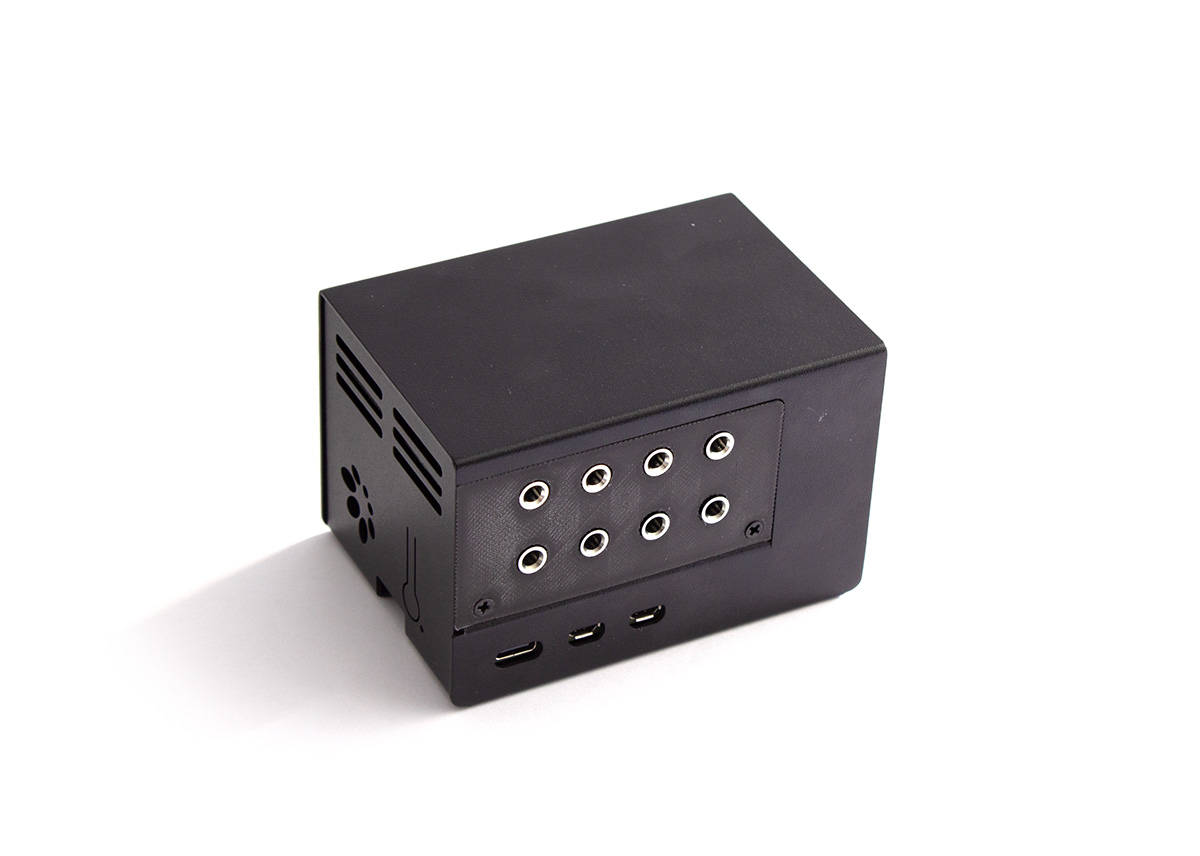
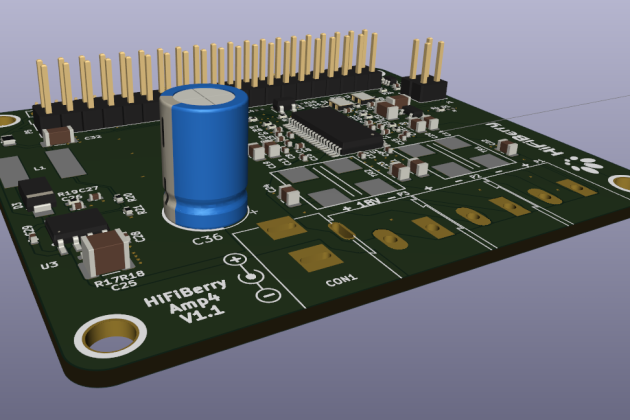
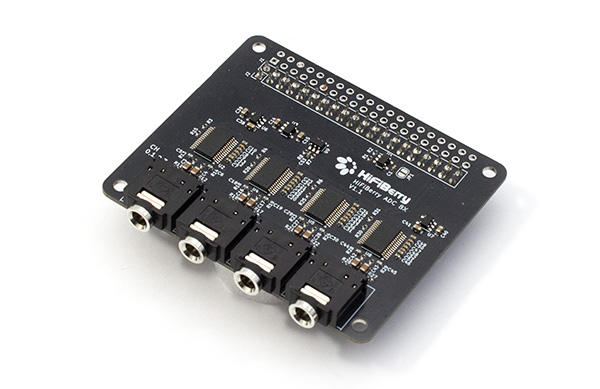
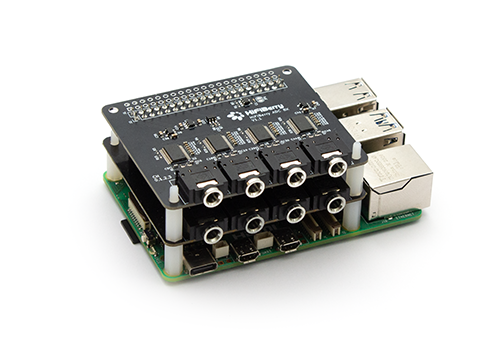
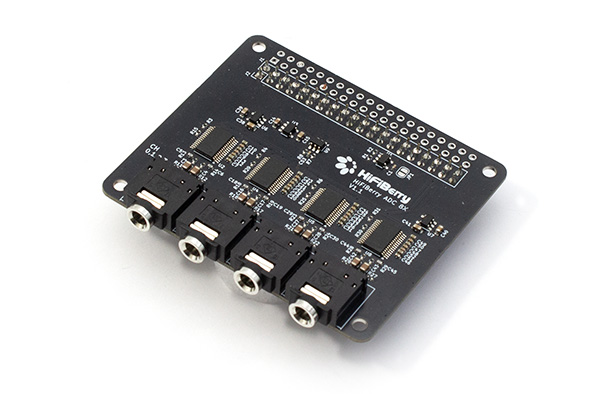
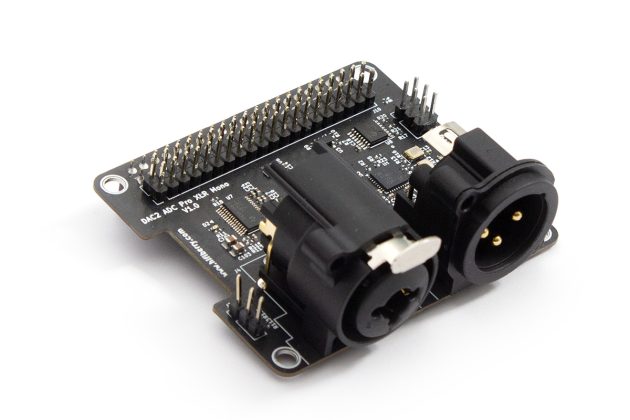
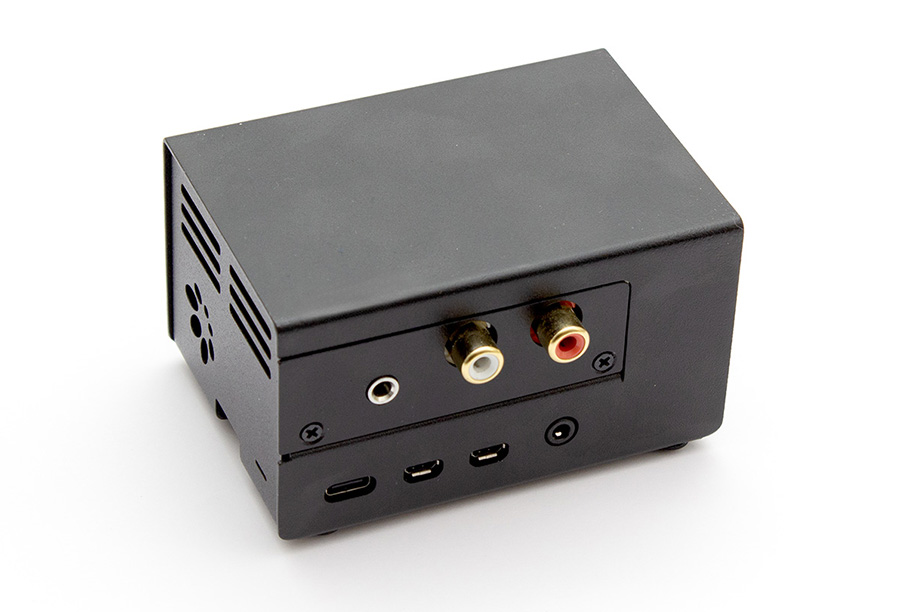
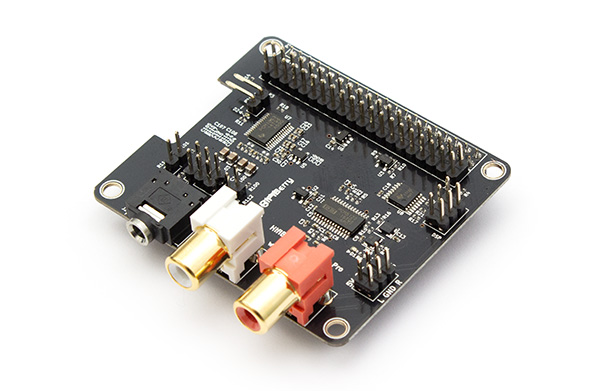
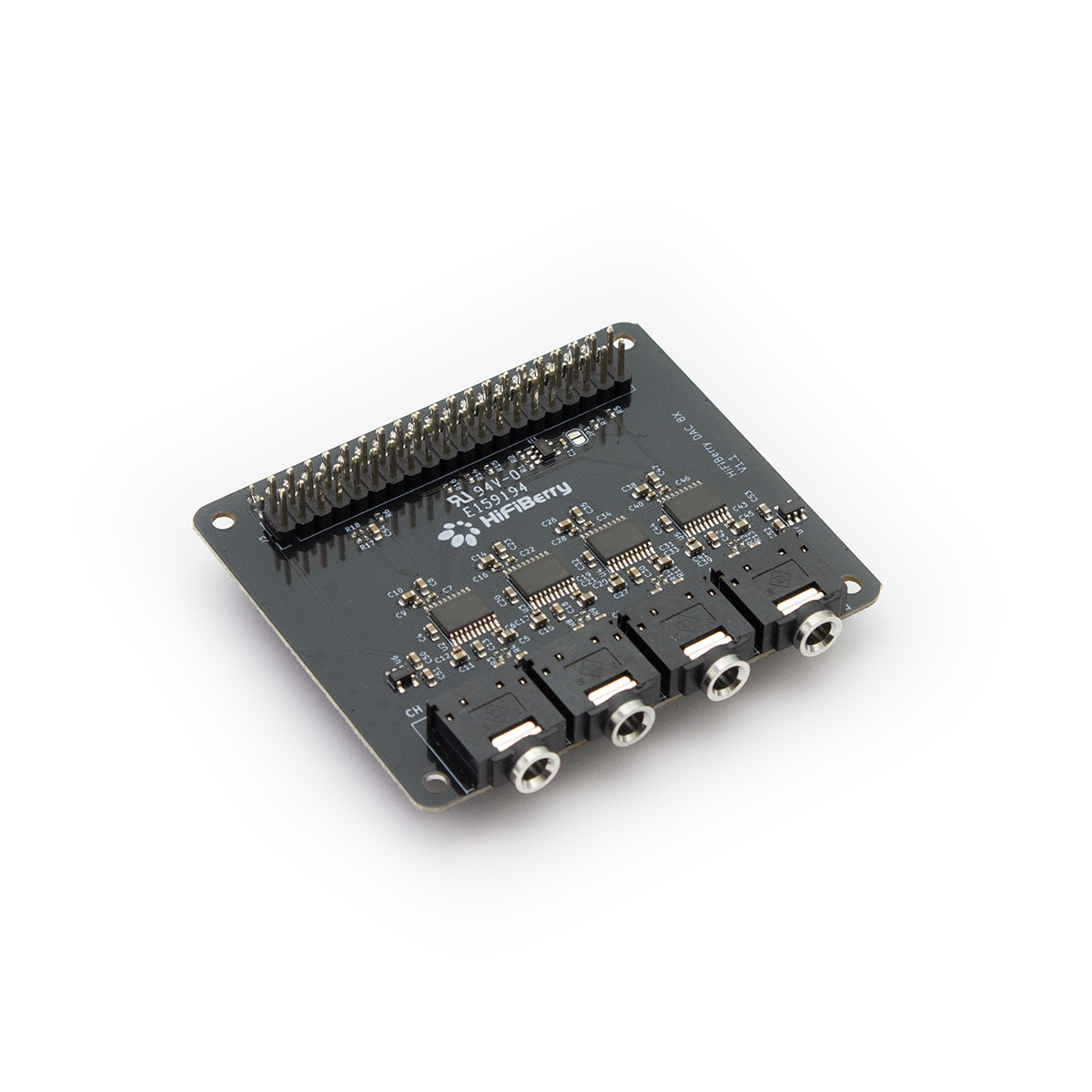
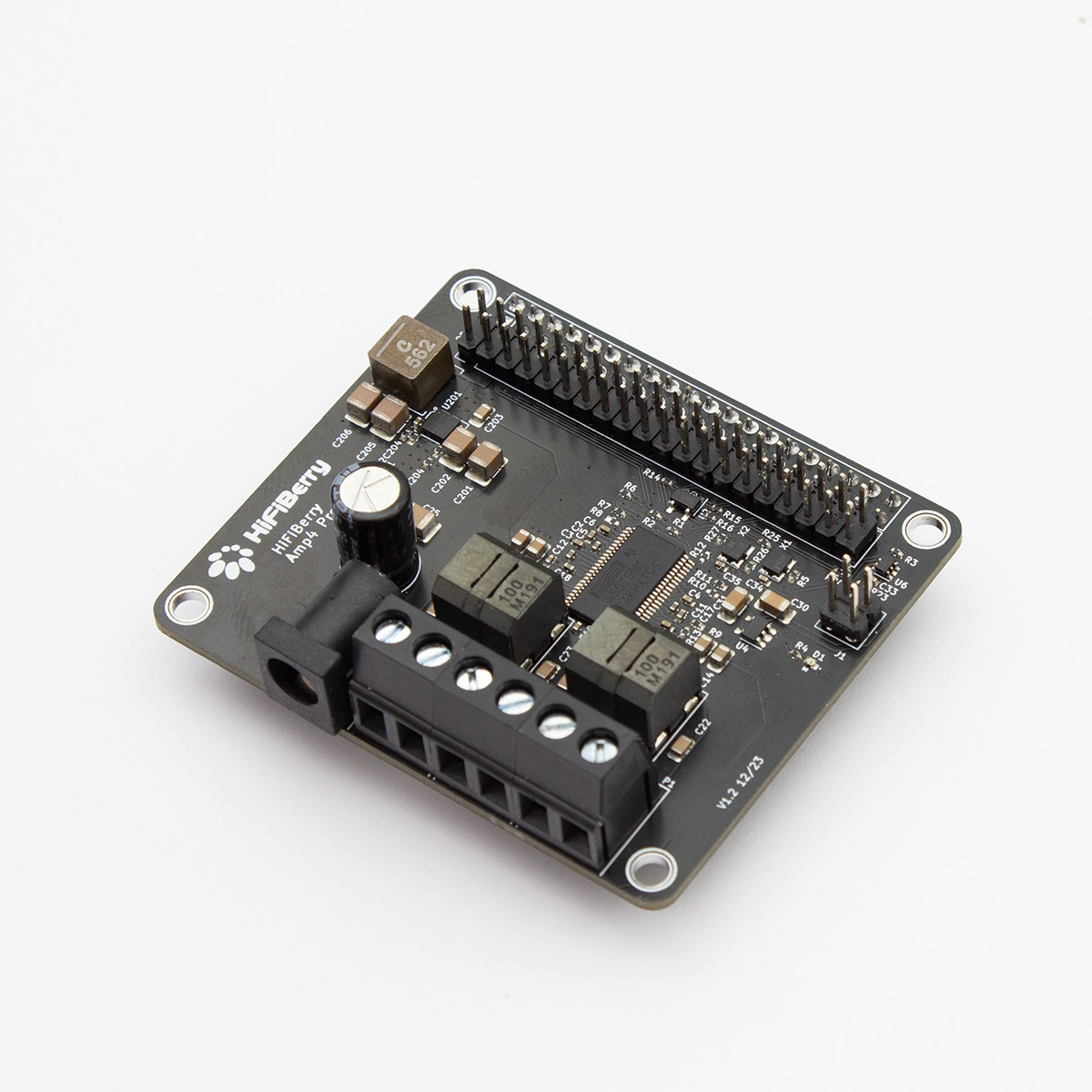
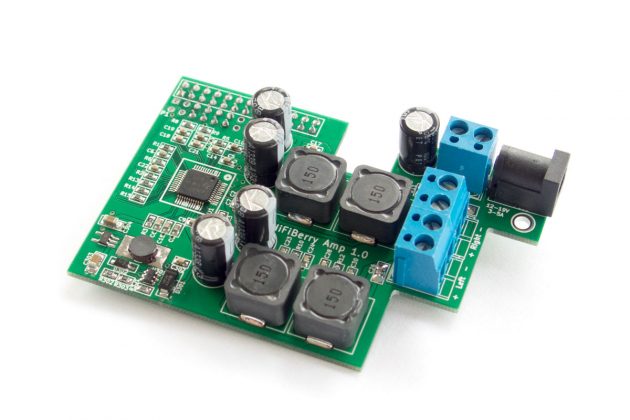
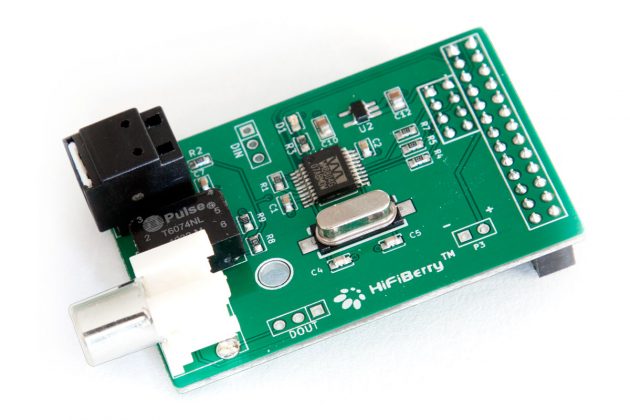
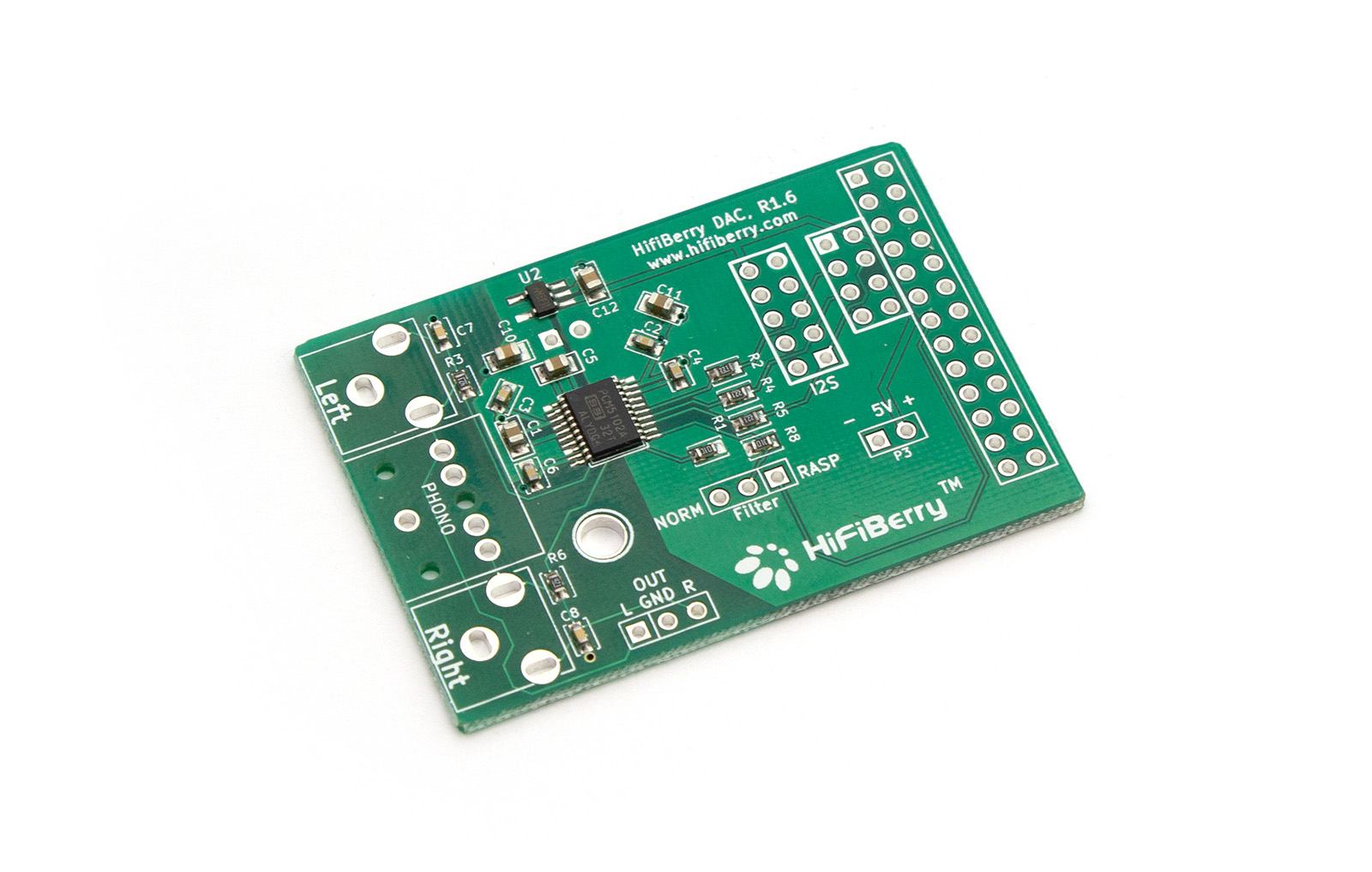
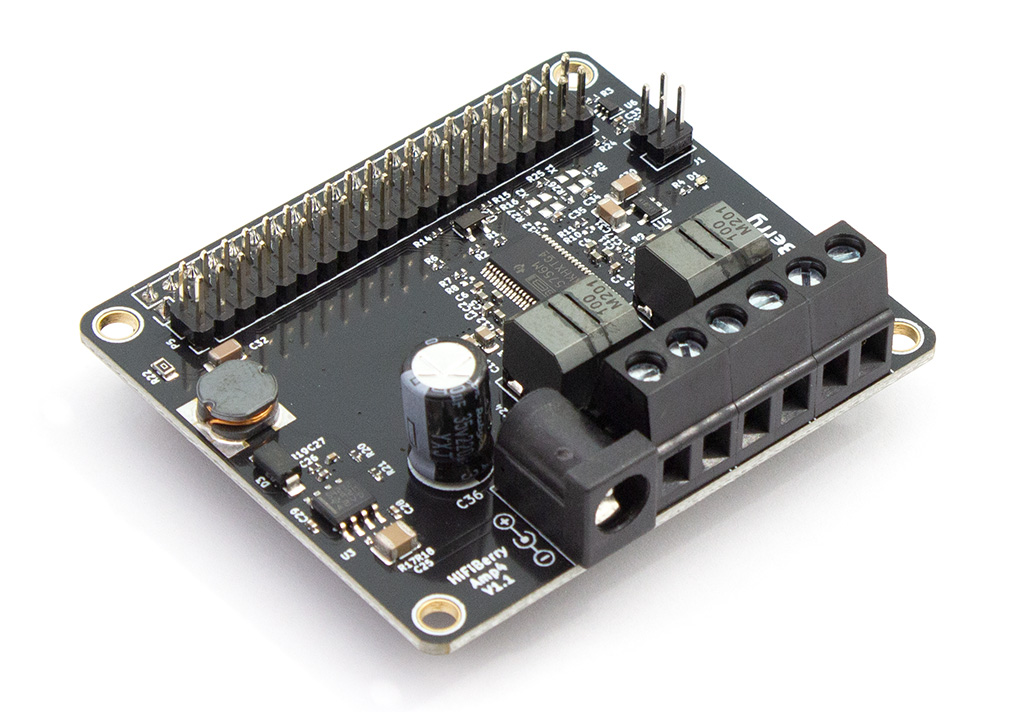
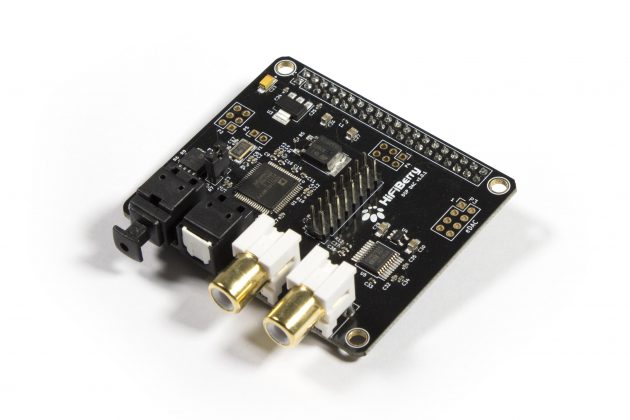
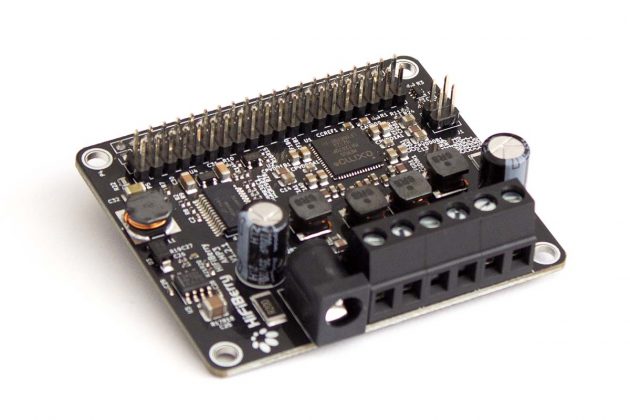
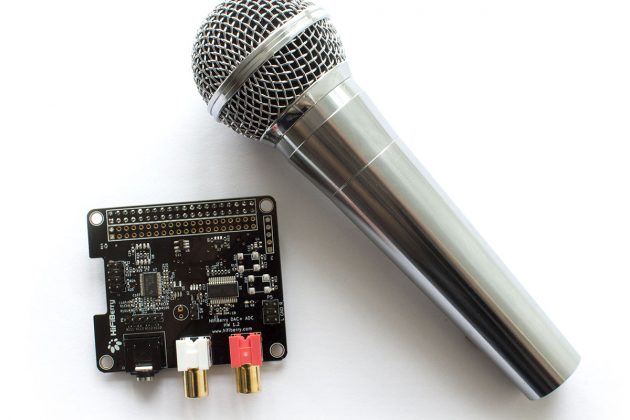
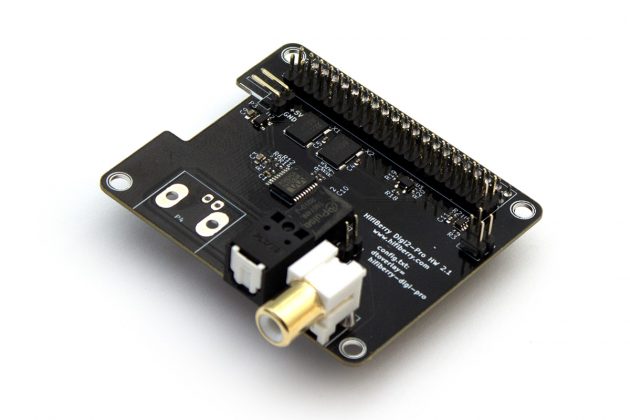
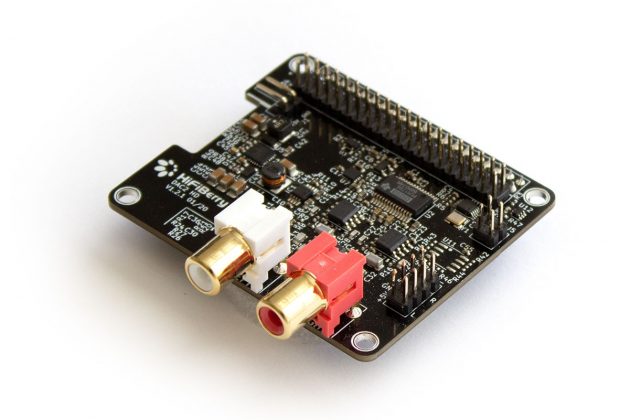
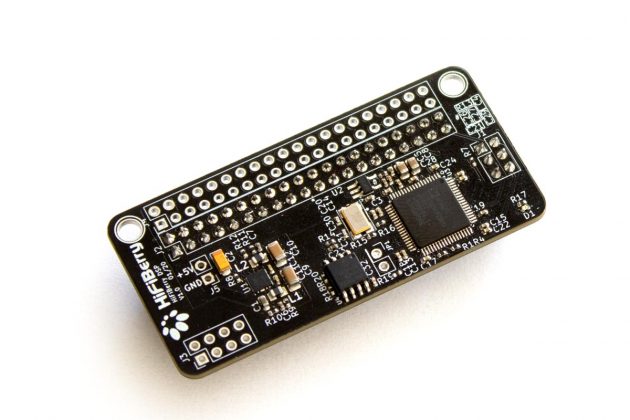
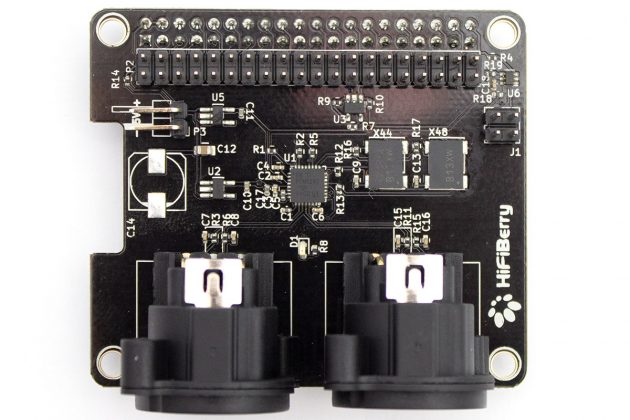
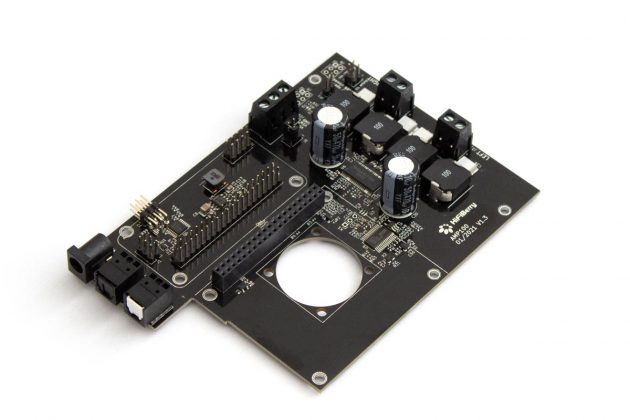
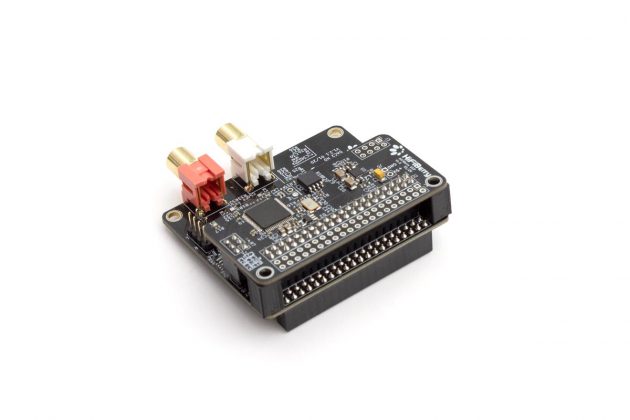
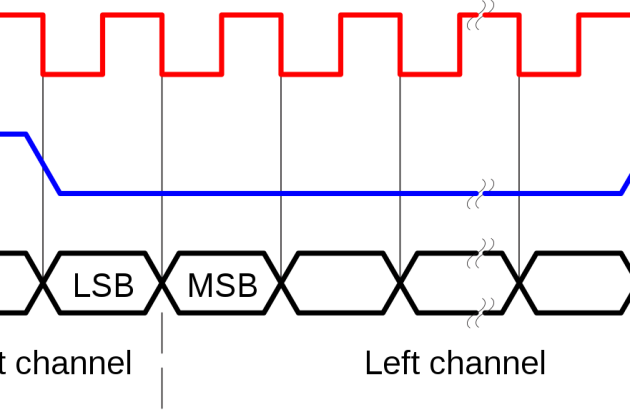
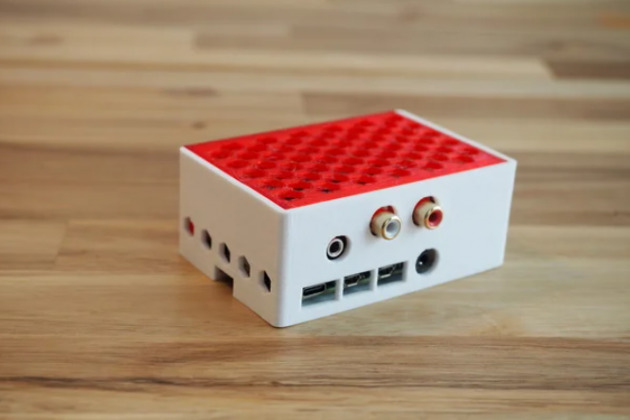
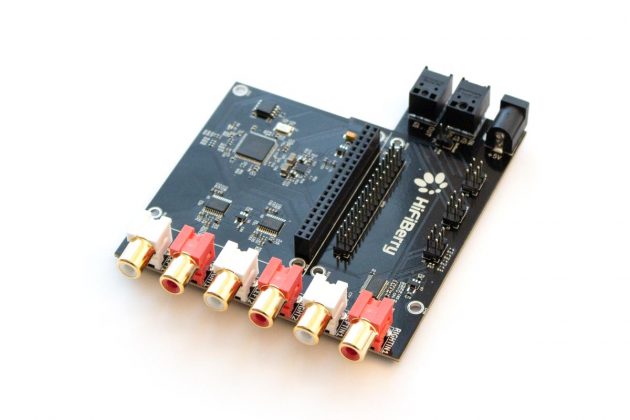
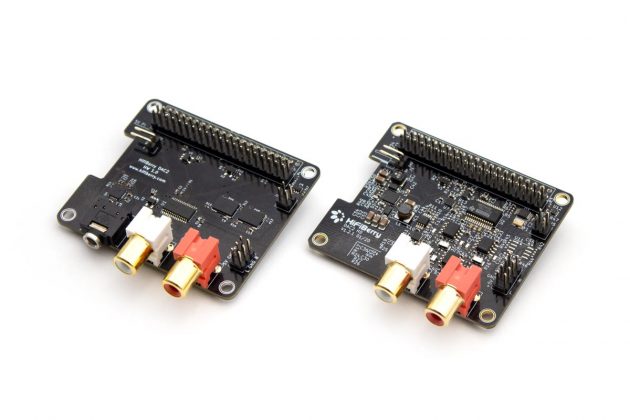
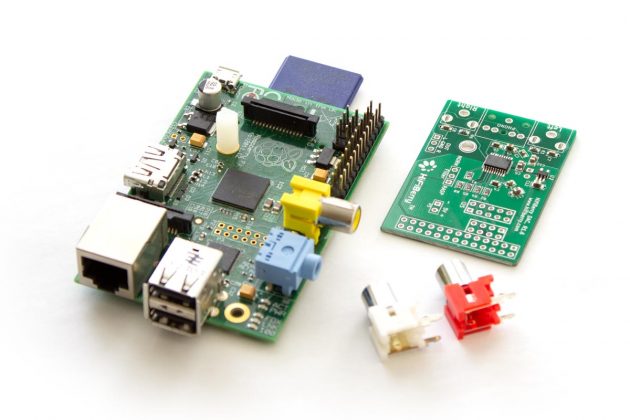
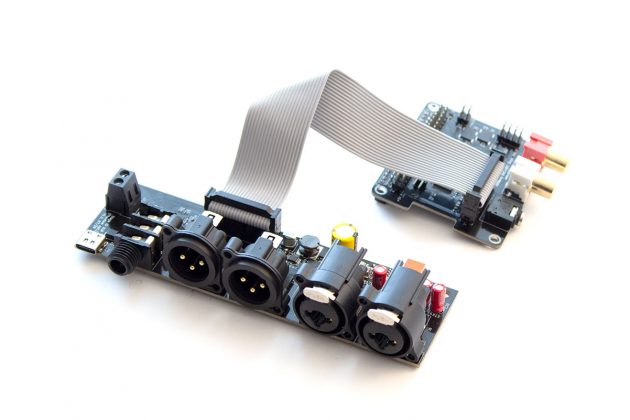
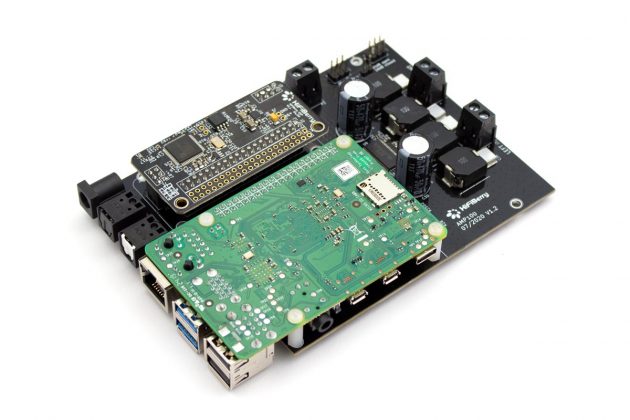
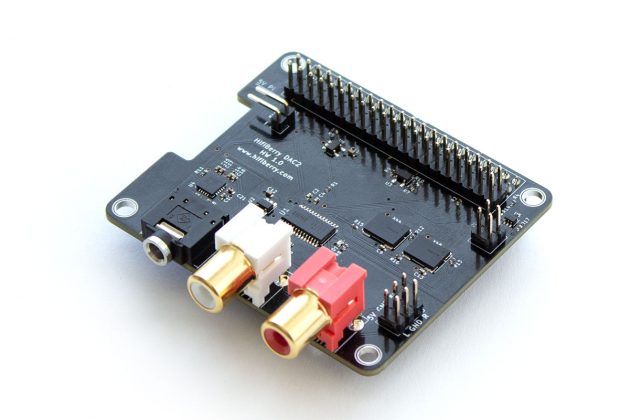
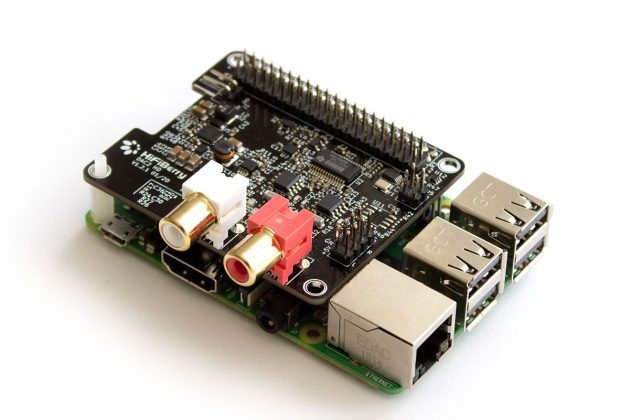
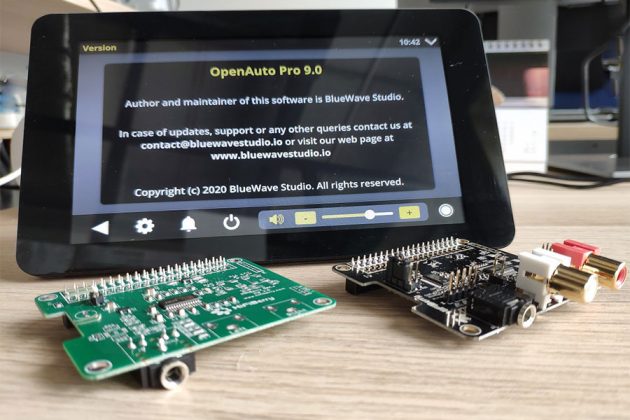
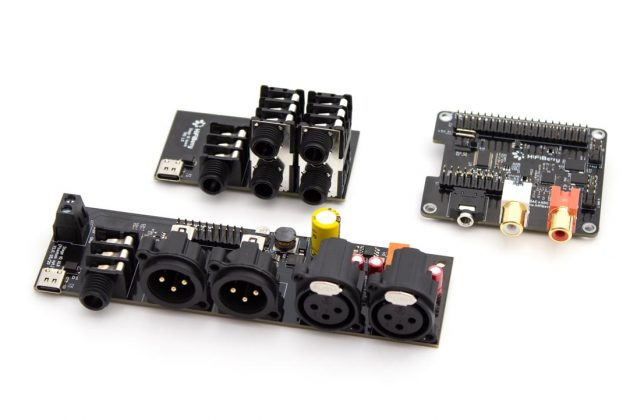
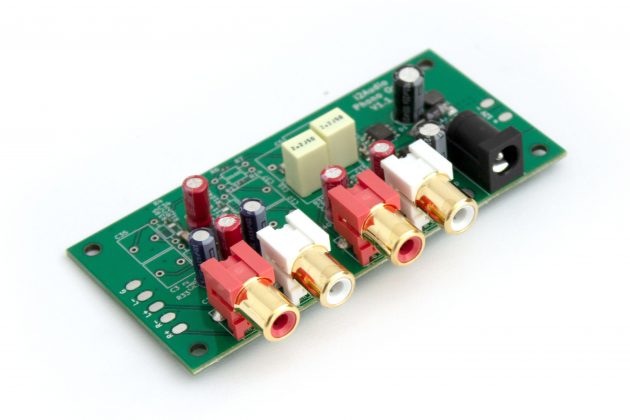
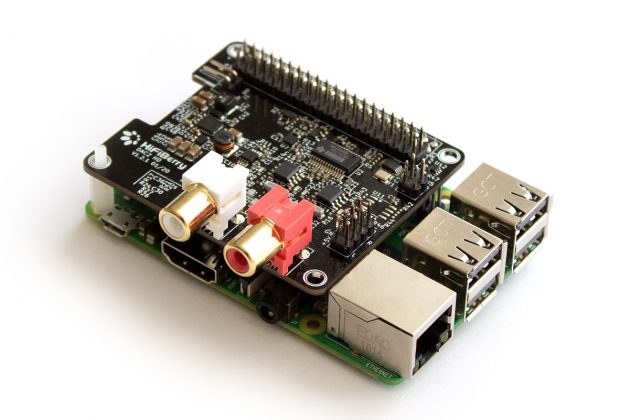
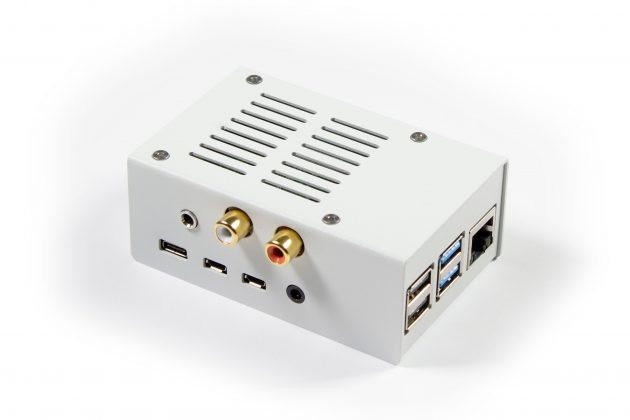
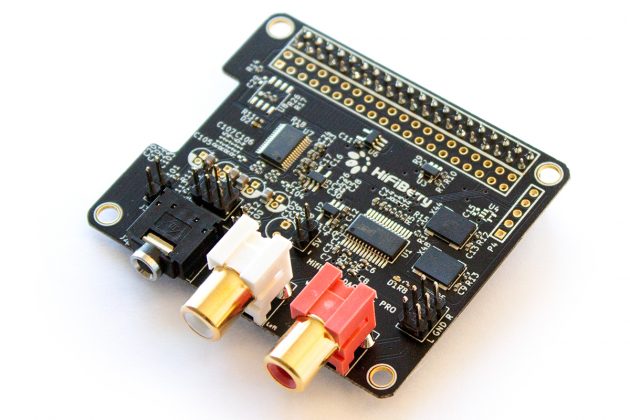
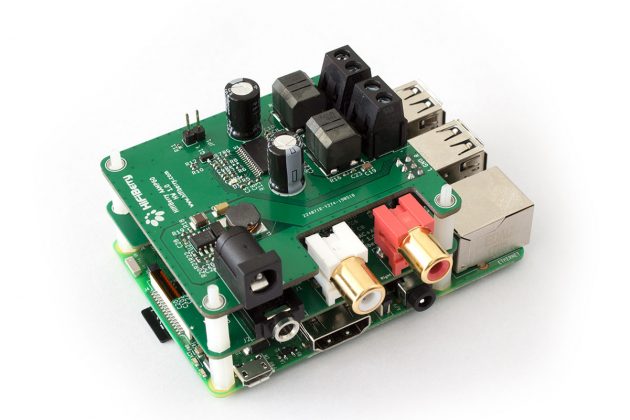
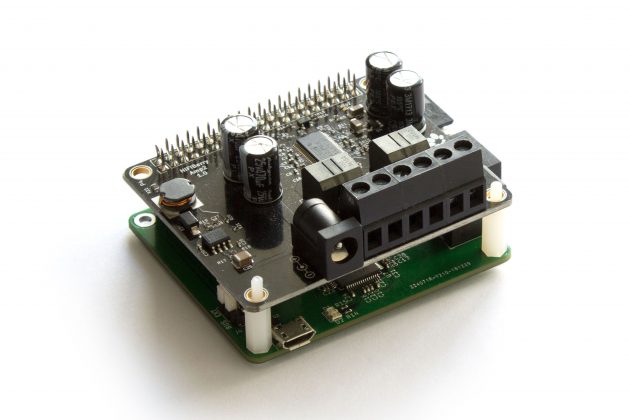
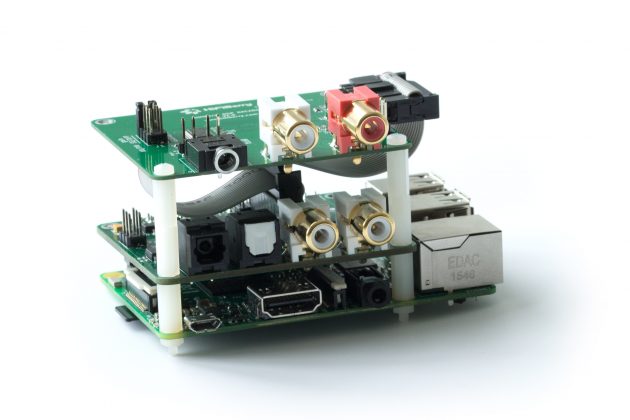
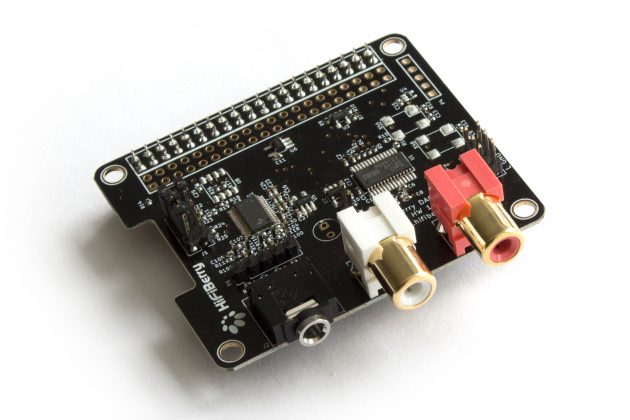
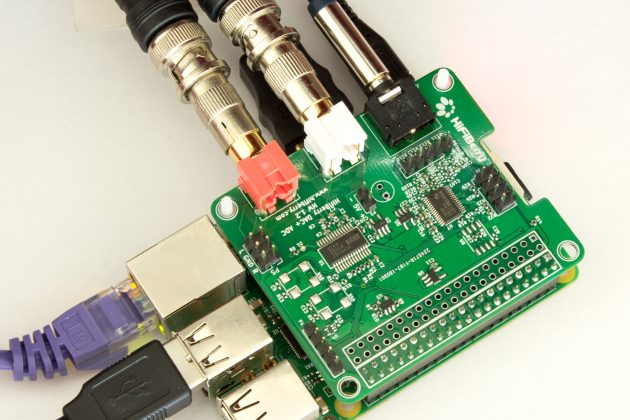
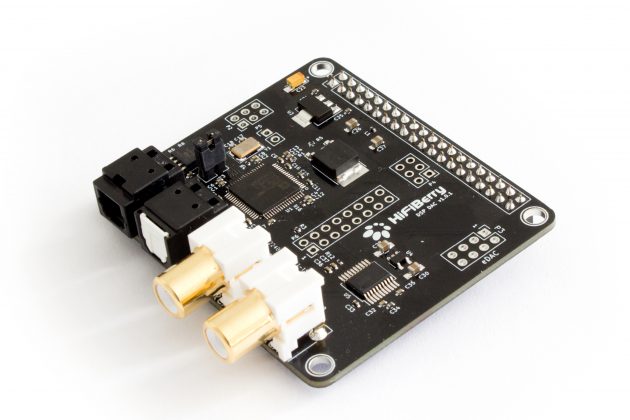
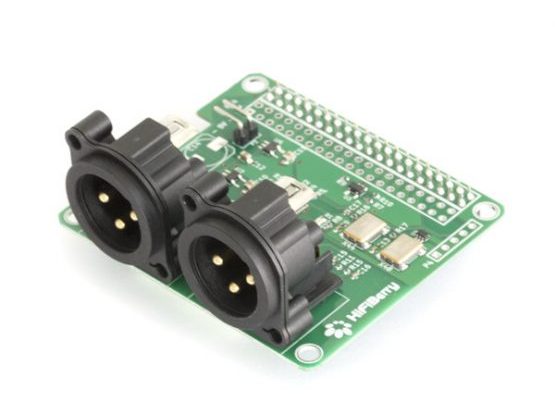
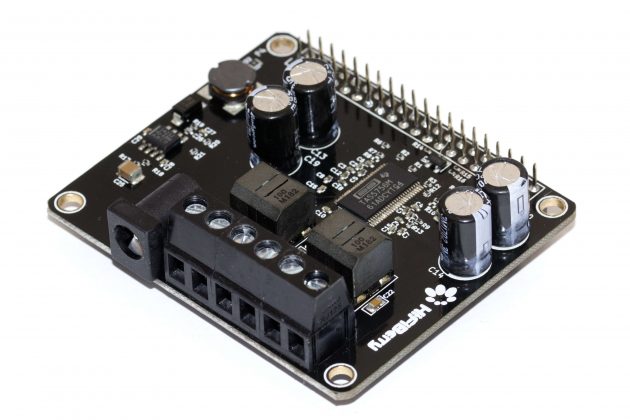
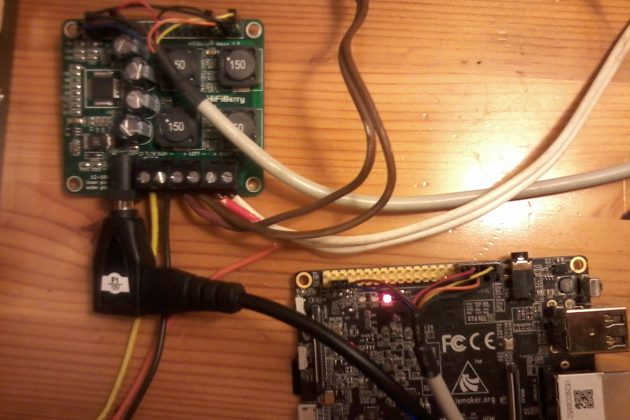
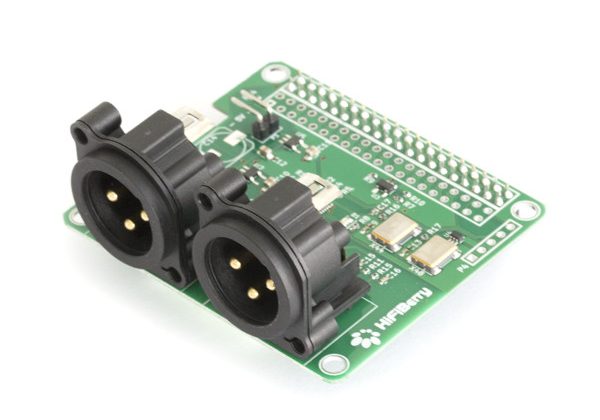
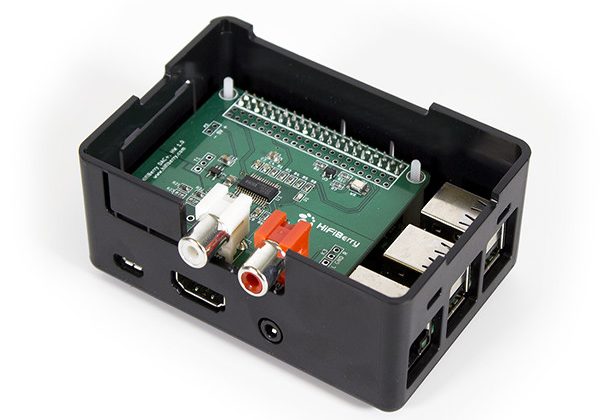
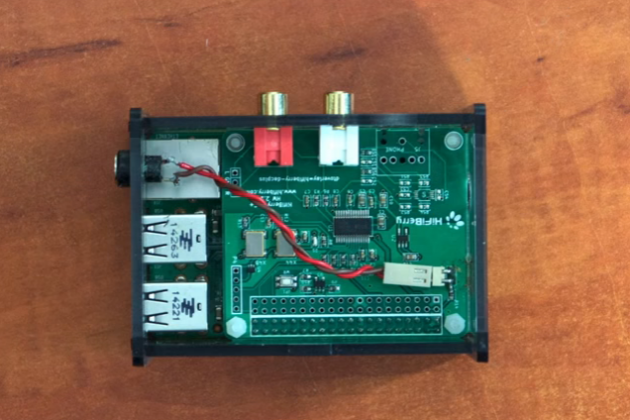
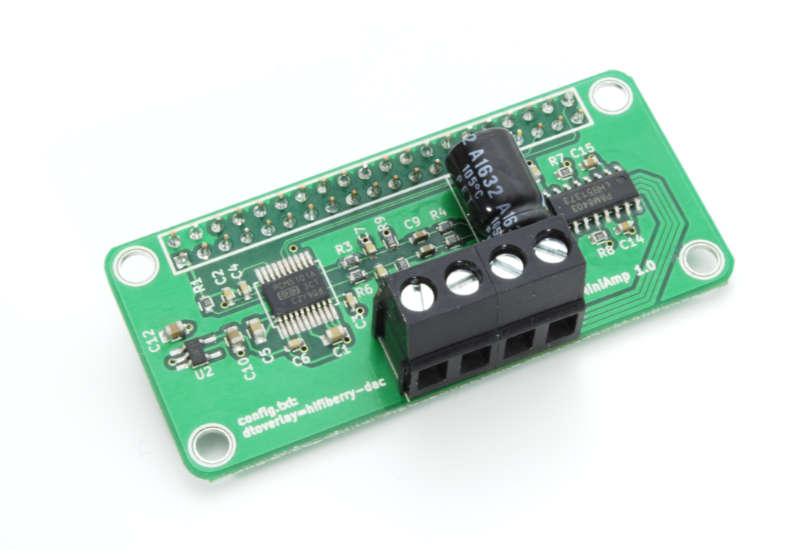
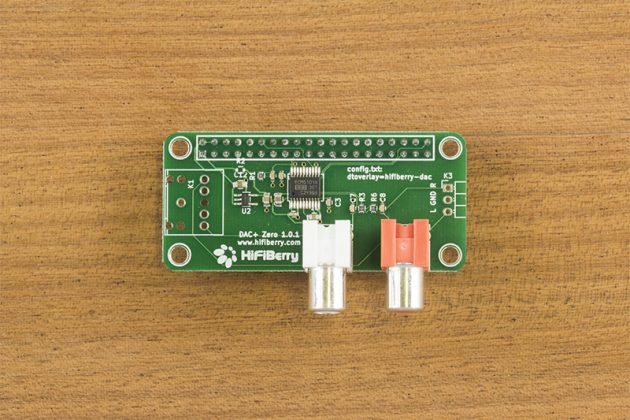
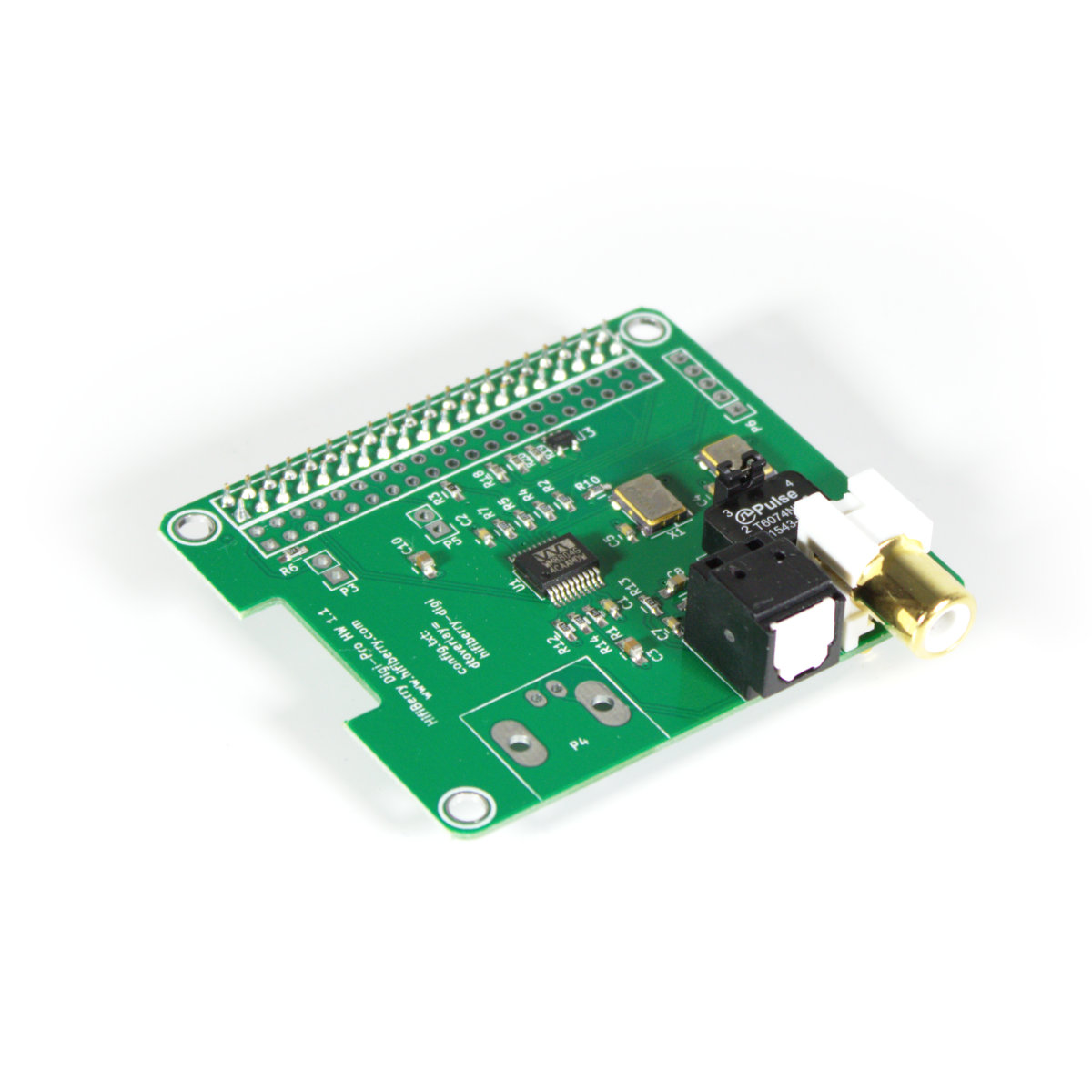
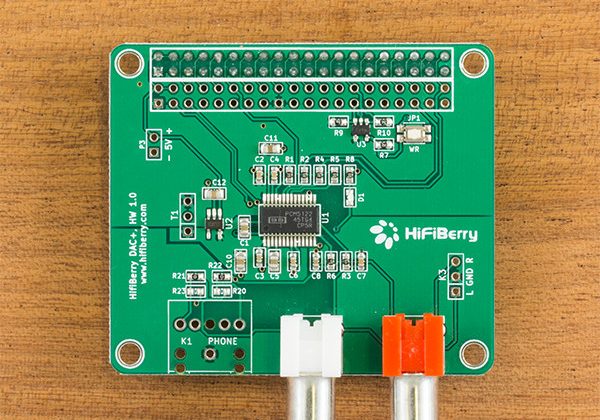
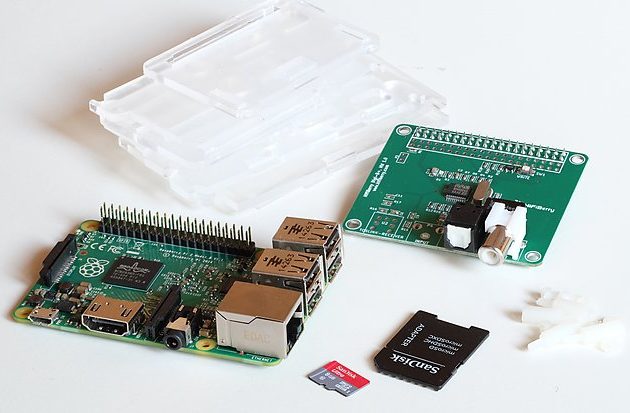
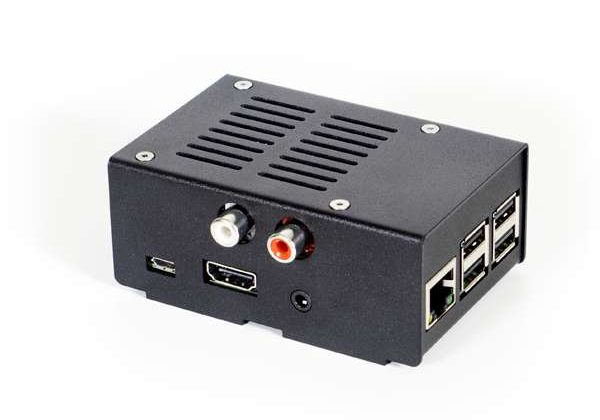
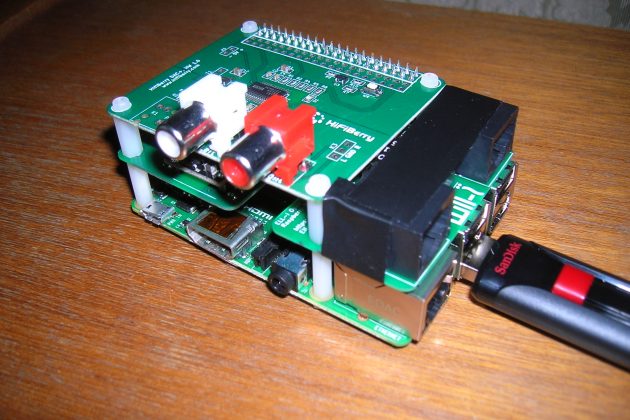
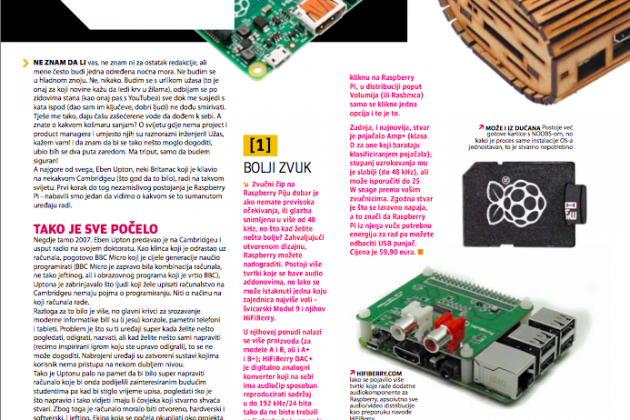
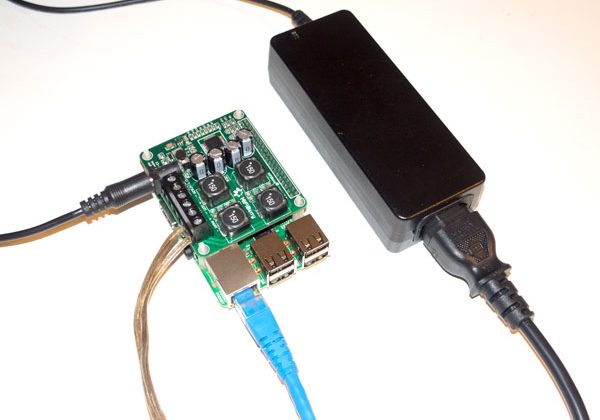
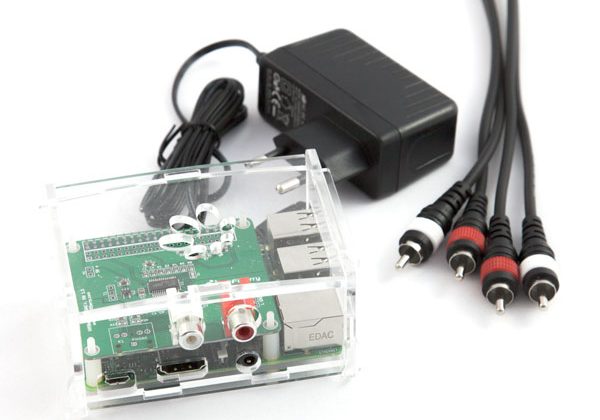
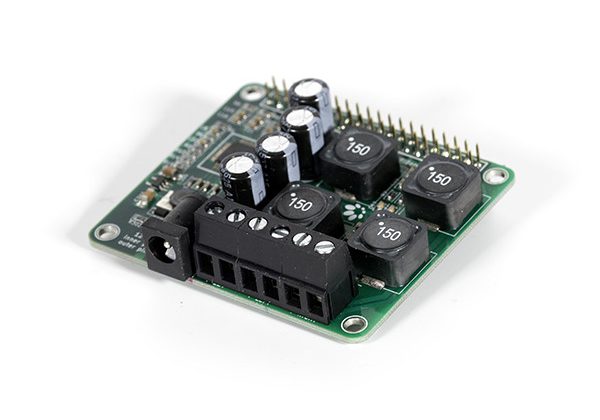
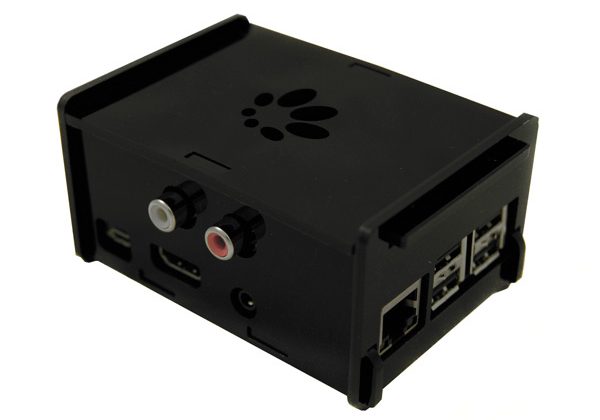
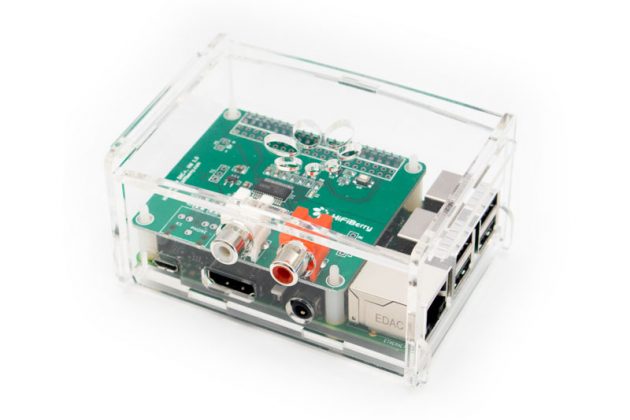
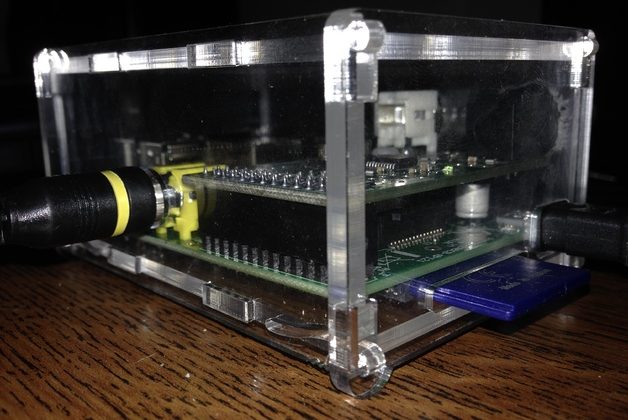
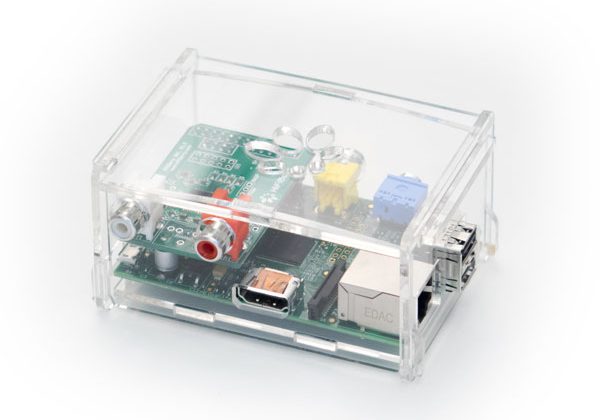
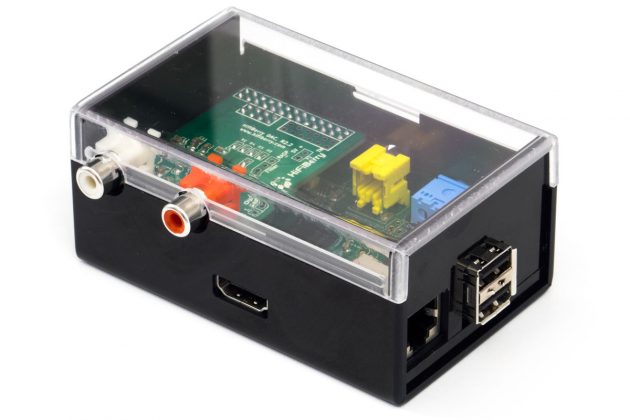
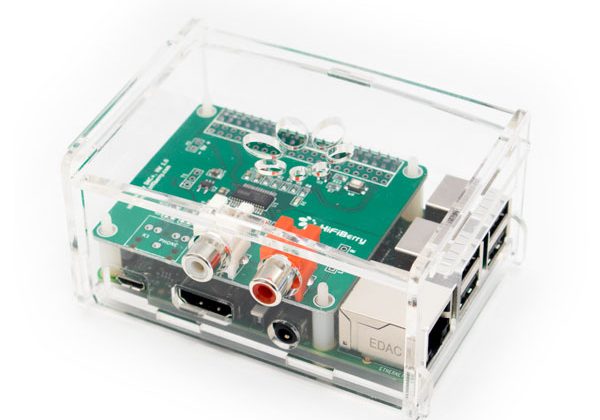
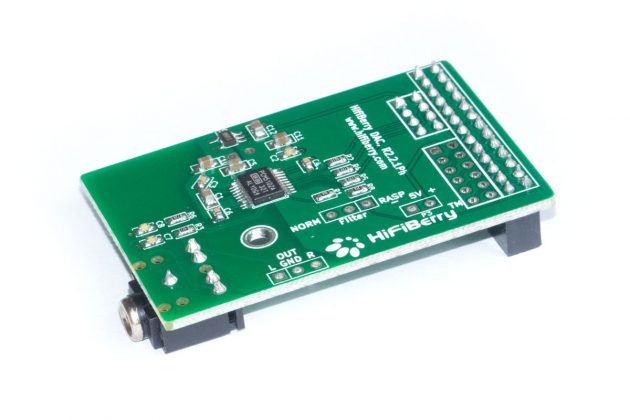
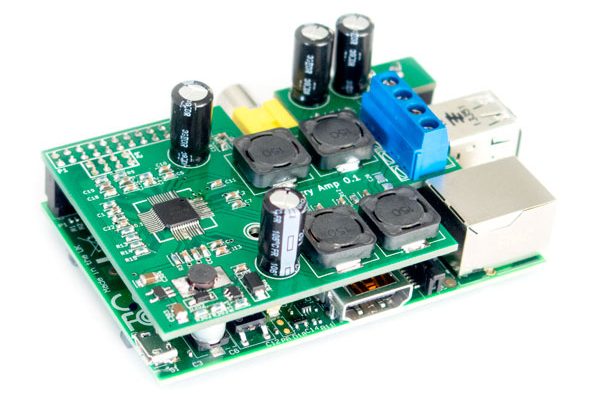
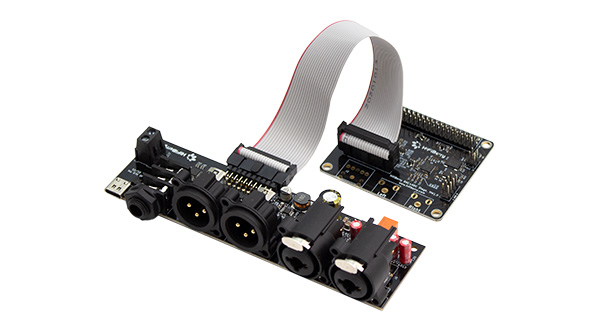
A lot of “product” software is just glue code between well-established libraries. AI assistants are very good at writing glue code. Add a Pi with a HiFiBerry audio board and you have the hardware layer sorted too — clean I2S output, no driver hassle, runs headless out of the box.
This isn’t about replacing engineers. It’s about lowering the cost of building exactly the right tool — instead of compromising with off-the-shelf software that almost fits.
March 13, 2026