Blog
The Secret Weapon Behind Great Escape Rooms: Raspberry Pi + HiFiBerry
If you build escape rooms, you need a controller. Something to read sensors, trigger magnetic locks, switch lights, and play sounds — all reliably, all day, every day. The question is: what do you build it on?
Dedicated escape room controllers are expensive and lock you into proprietary ecosystems. Arduino is cheap but limited — great for simple relay logic, but not suited for high-quality audio playback or networked multi-room coordination. There is a better option sitting right between those two extremes.
Why Raspberry Pi?
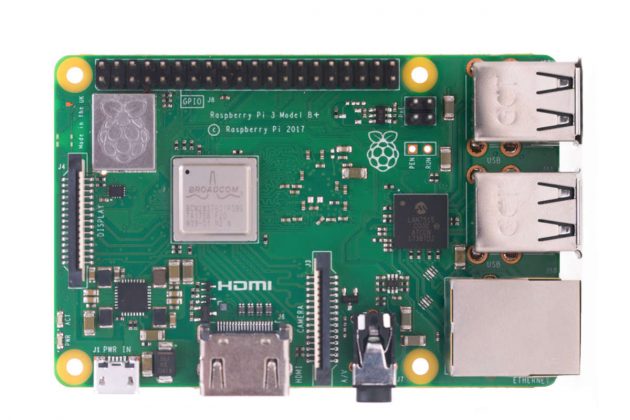
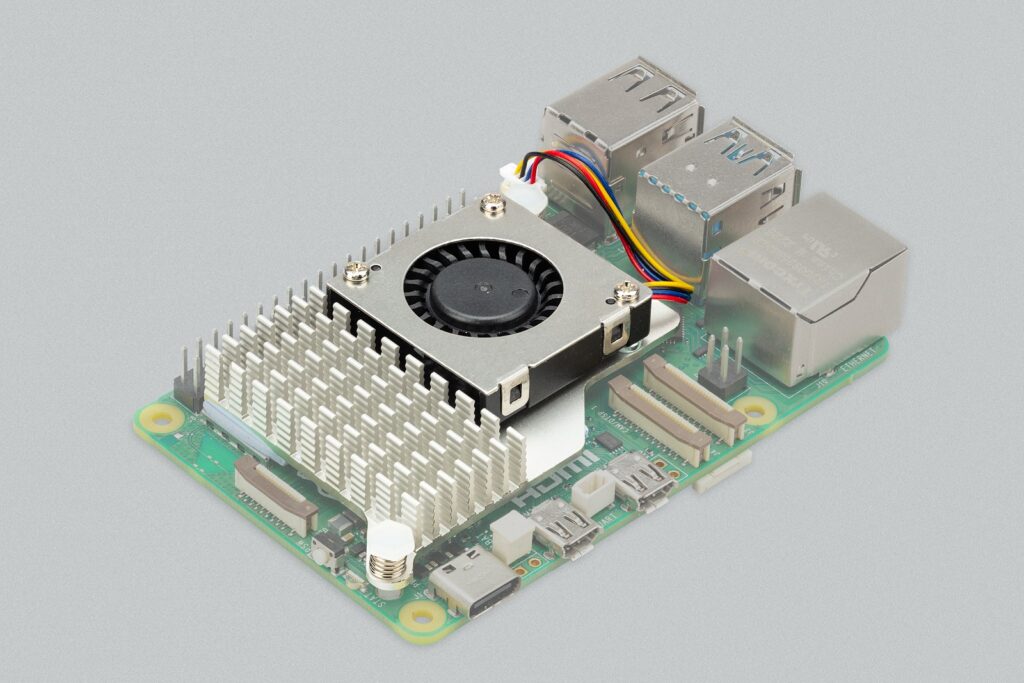
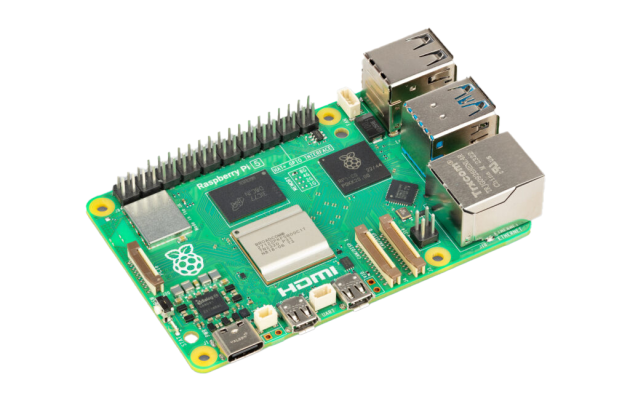
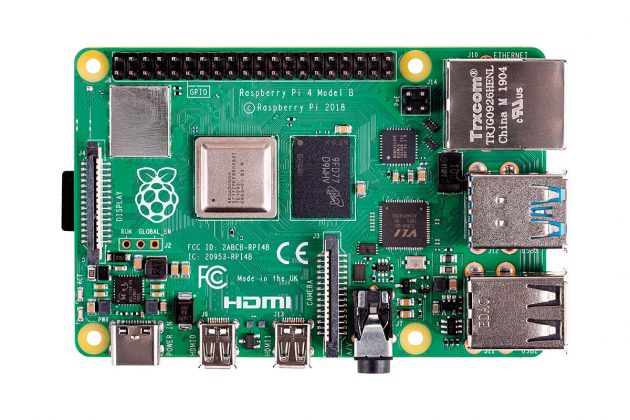
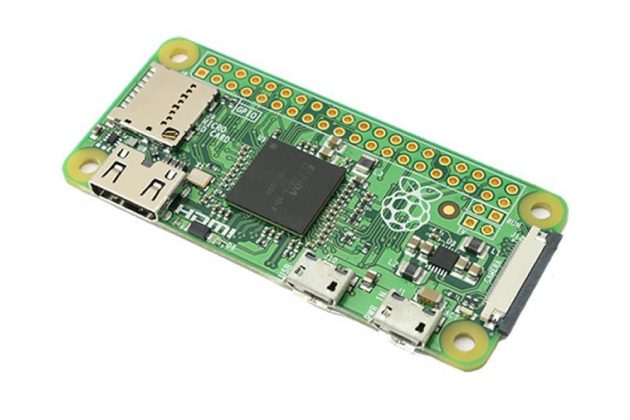
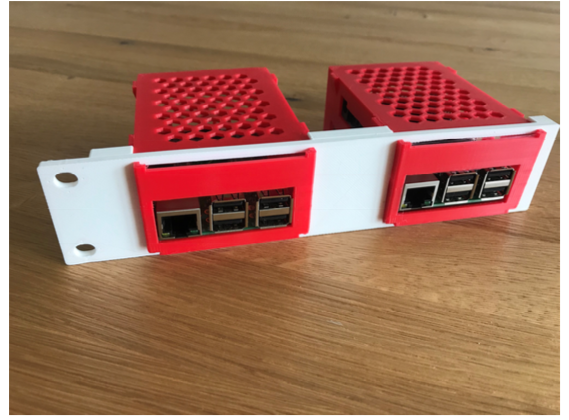
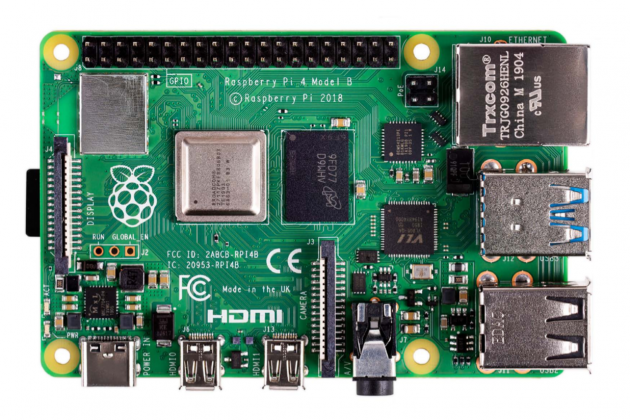
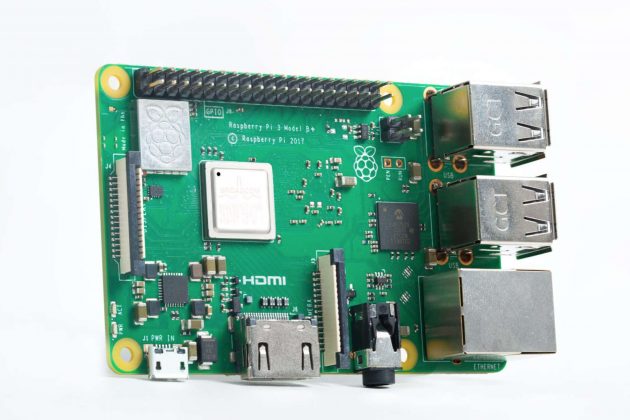
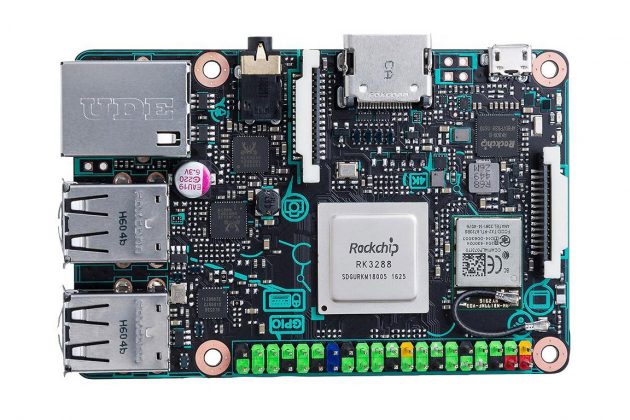
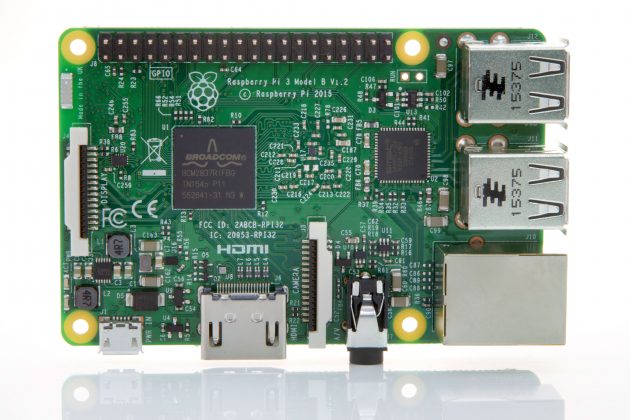
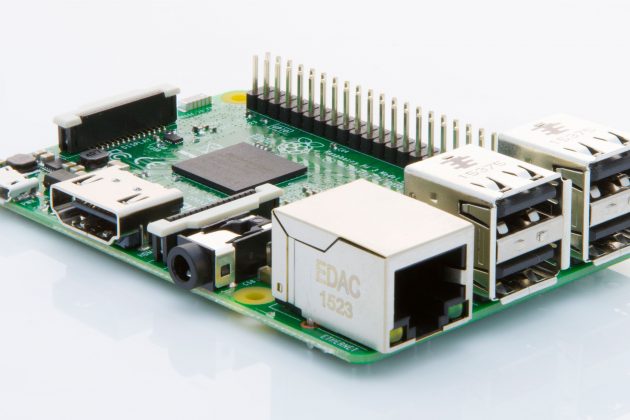
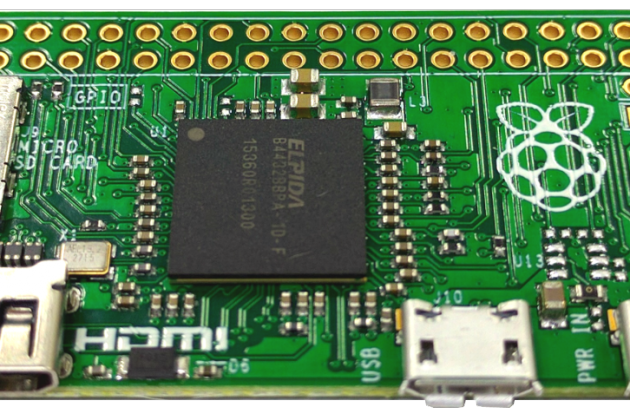
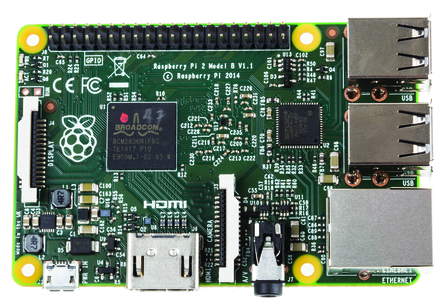
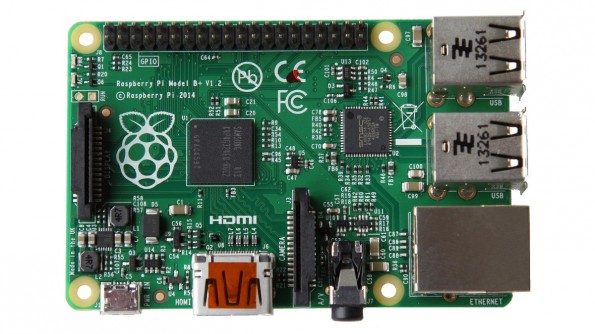
The Raspberry Pi is a full Linux computer that happens to have GPIO pins — the same kind of digital I/O that makes microcontrollers useful. Those pins handle buttons, RFID readers, Hall sensors, reed switches, and relay boards for locks, lights, and props. And unlike a microcontroller, the Pi also runs your game logic, manages state across a session, connects to your network, and can be updated remotely.
One device. One power supply. One system to learn and maintain.
The Audio Problem — and How HiFiBerry Solves It
There is one well-known weakness in the Raspberry Pi: its built-in audio output is terrible. It uses a low-quality PWM DAC that produces audible noise and hiss — exactly what you do not want when you are trying to pull guests into an immersive dungeon or space station scenario.
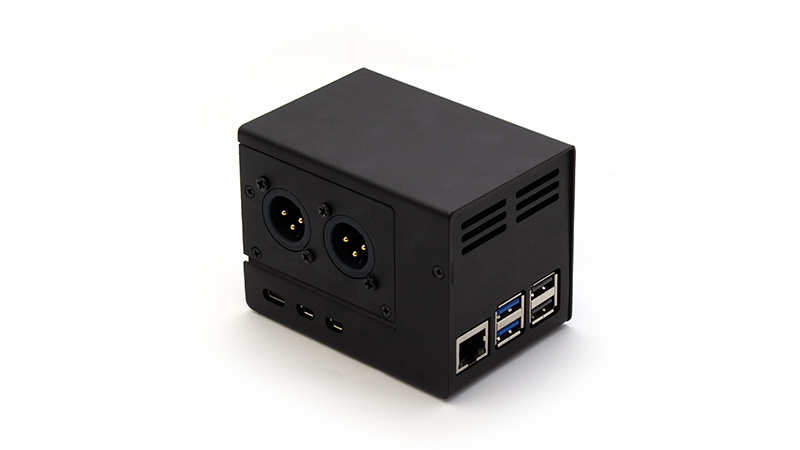
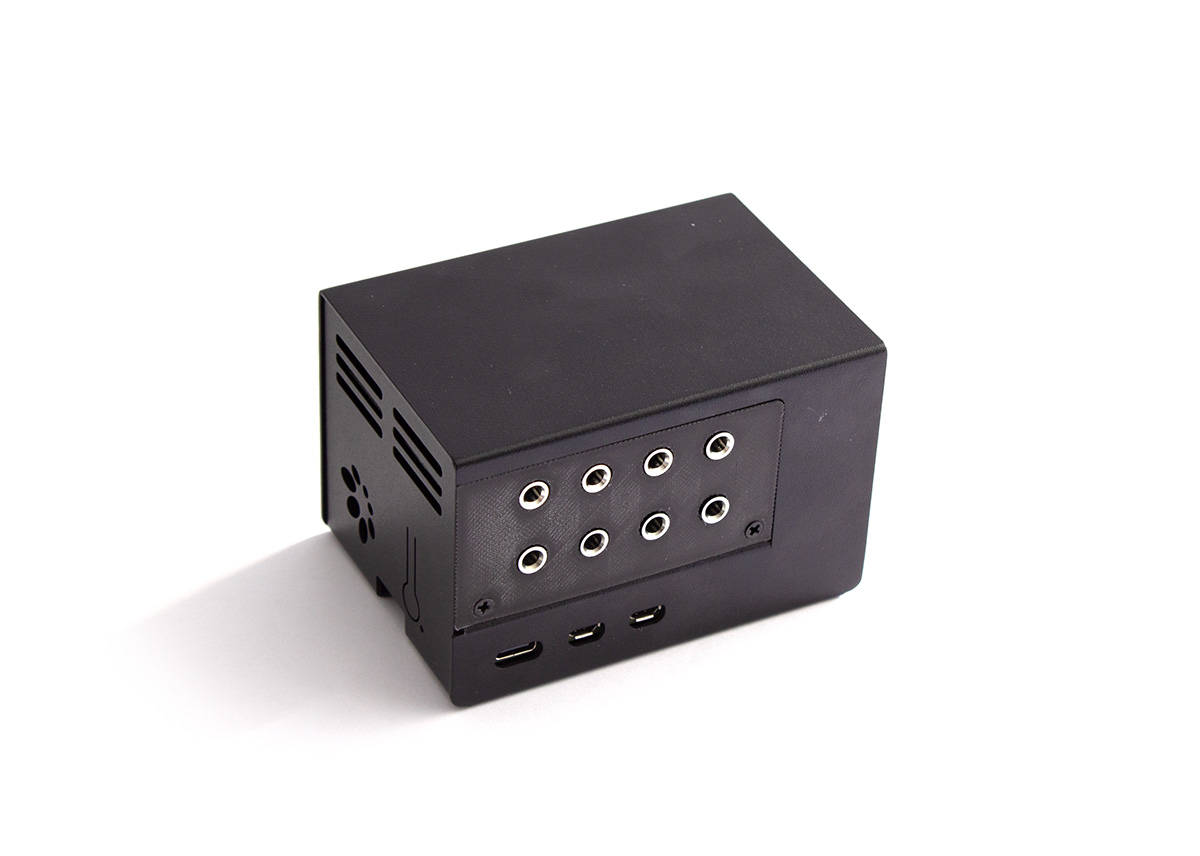
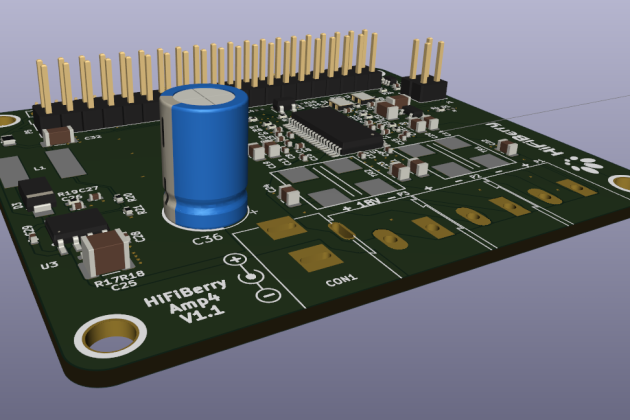
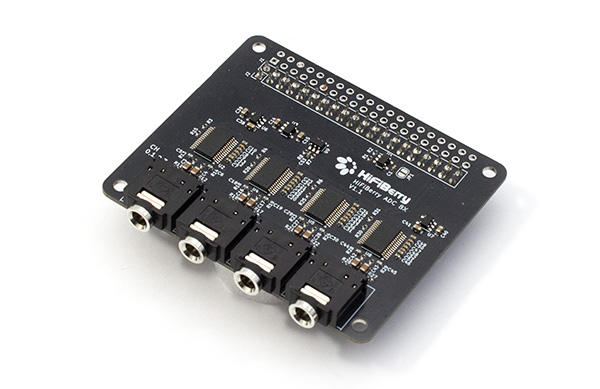
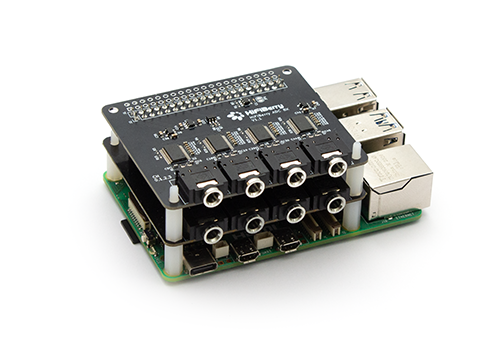
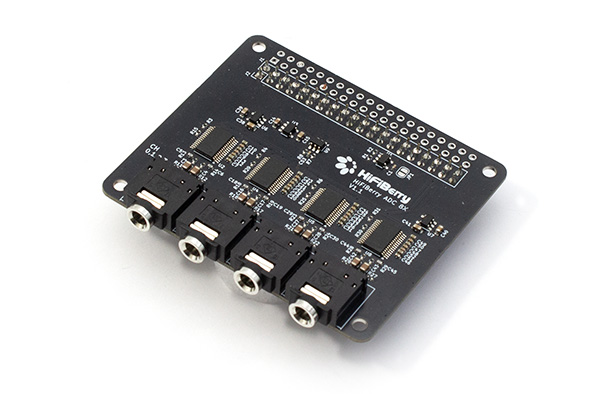
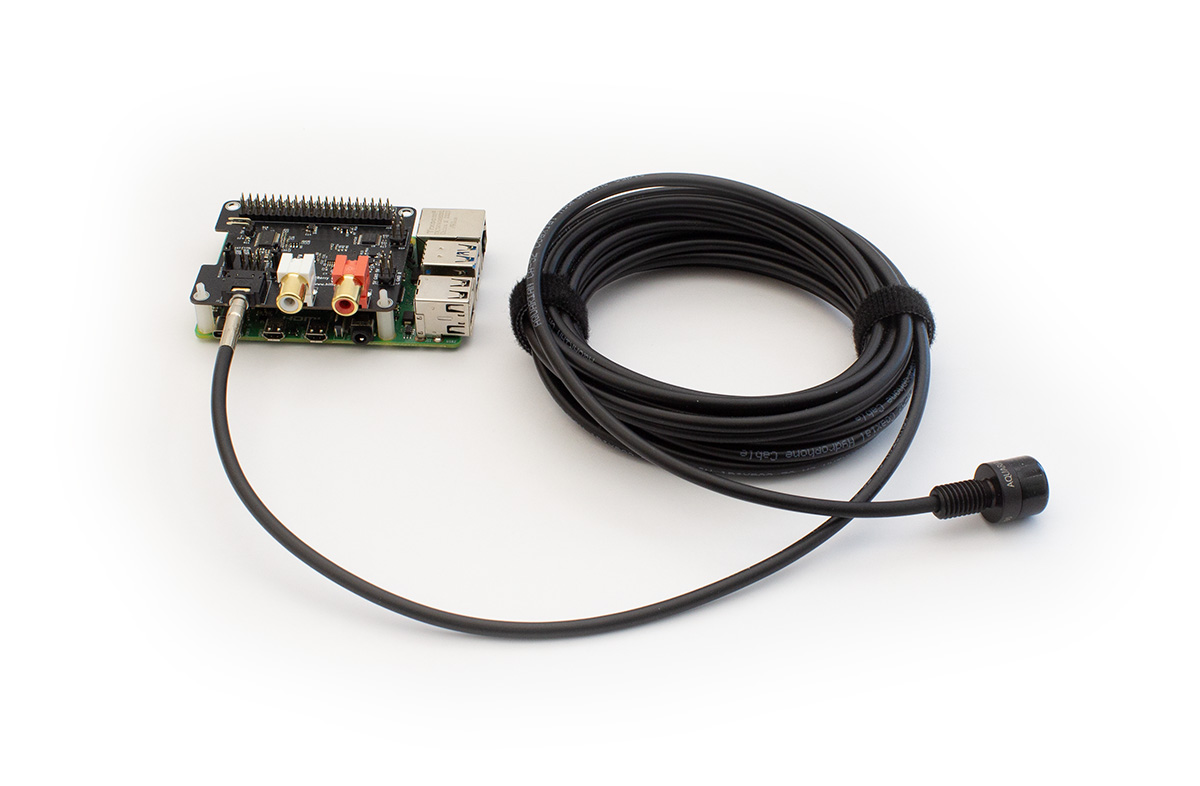
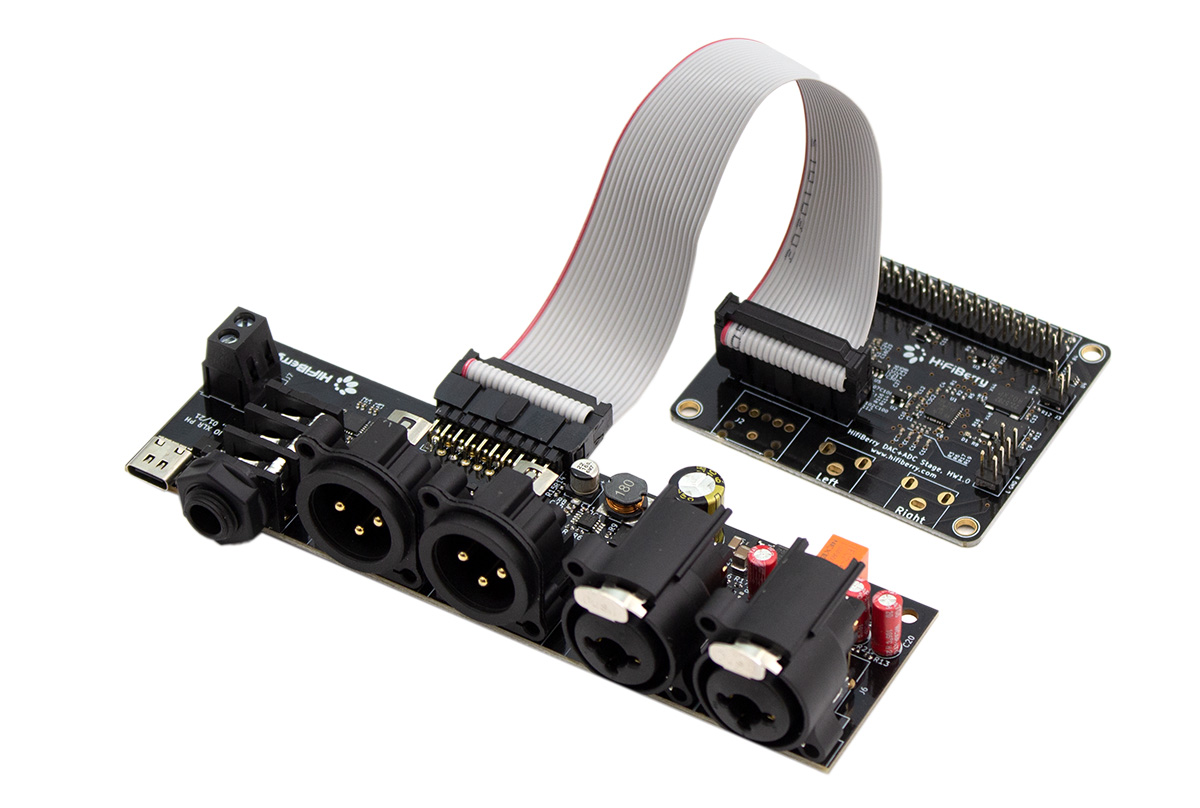
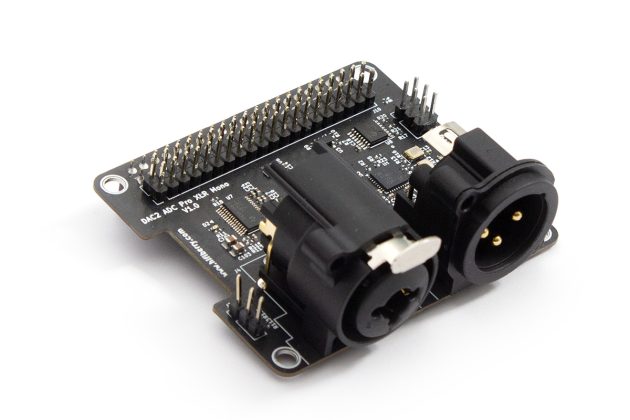
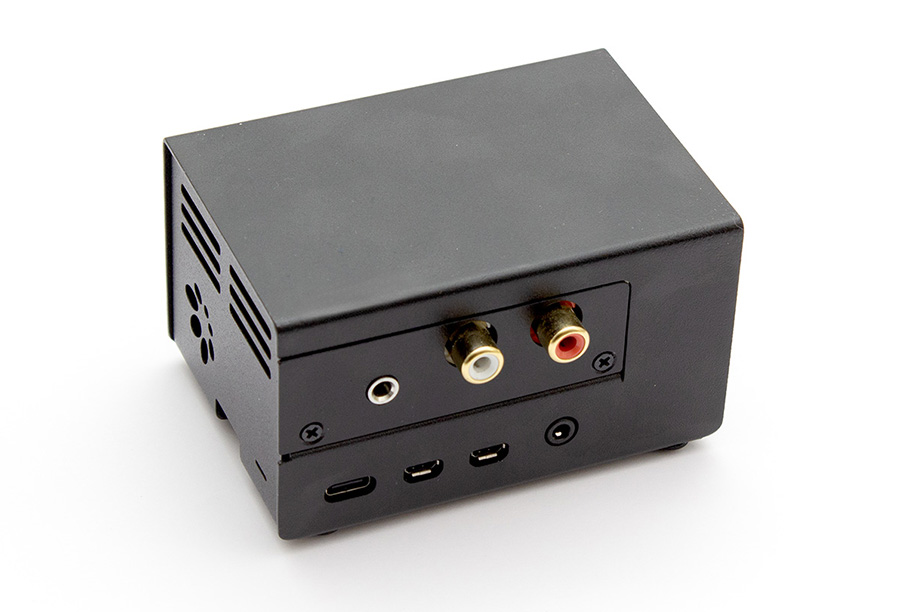
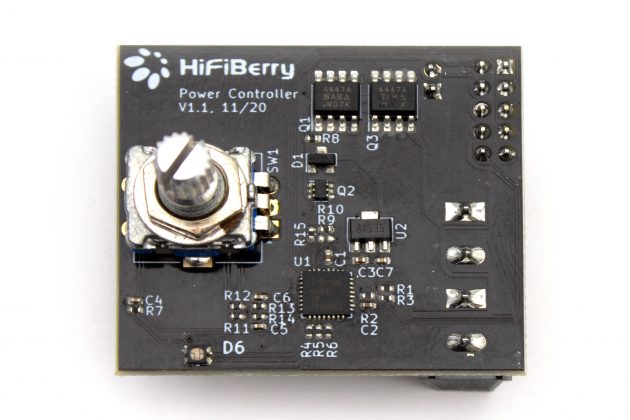
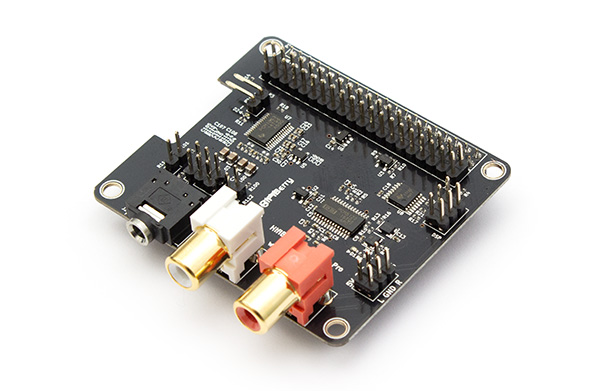
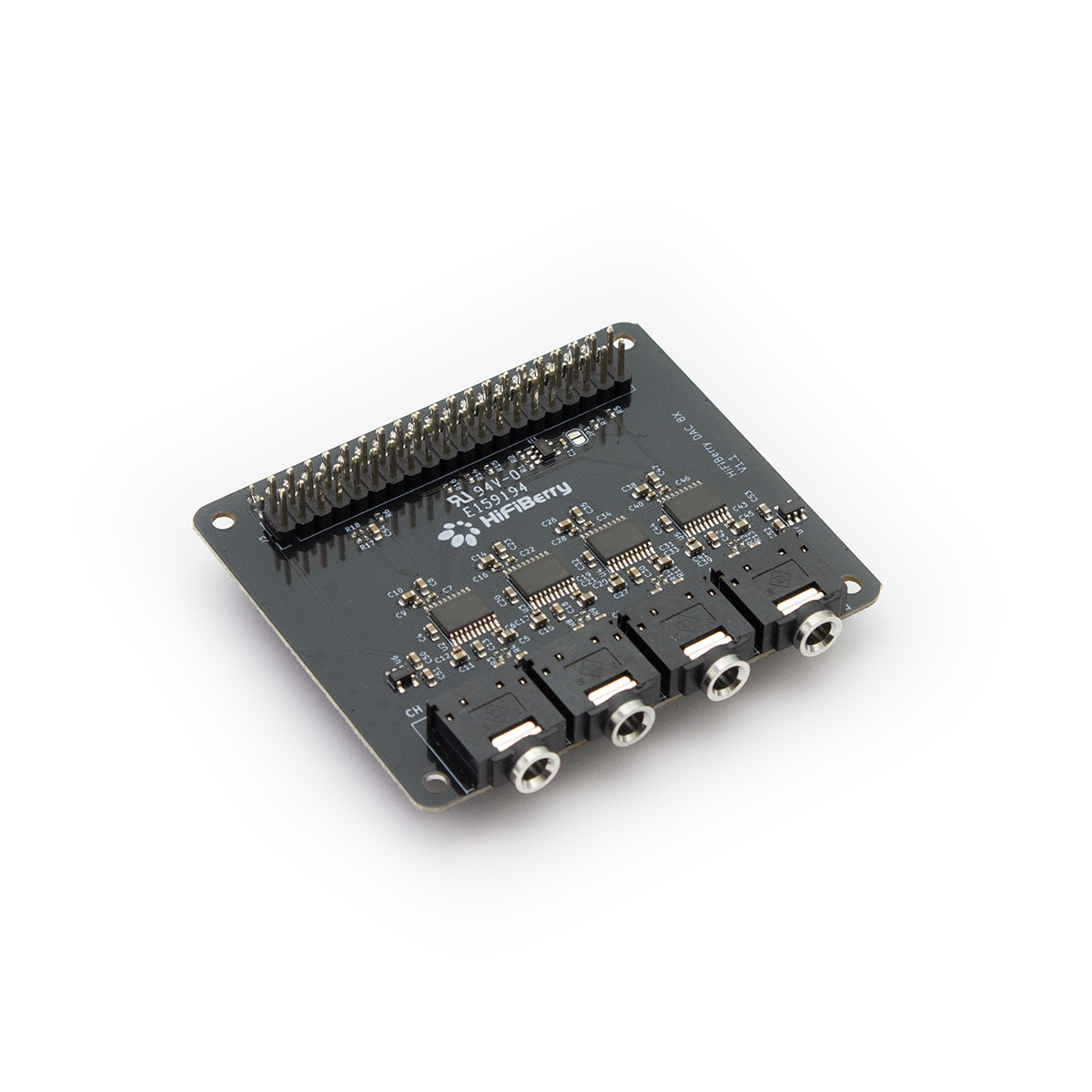
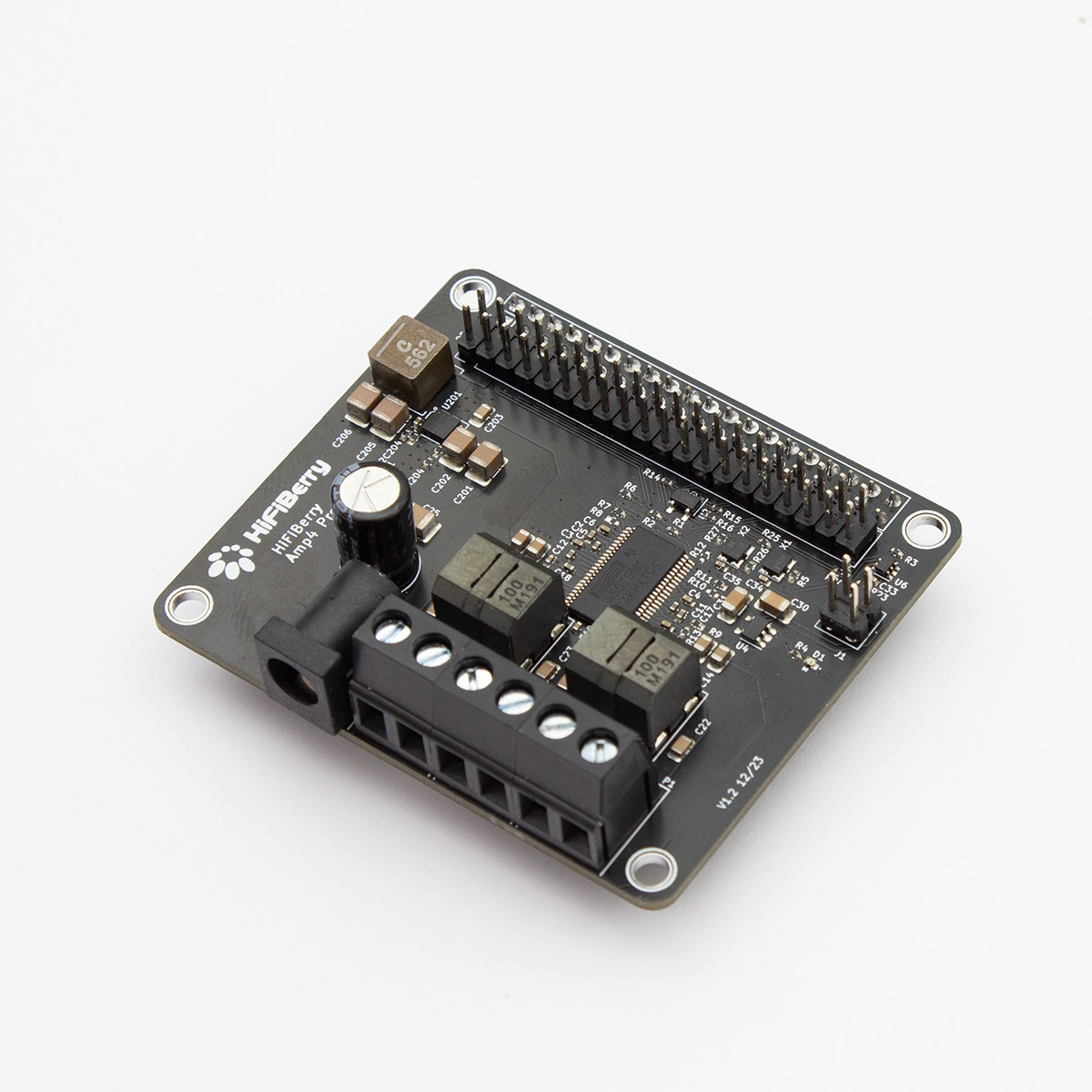
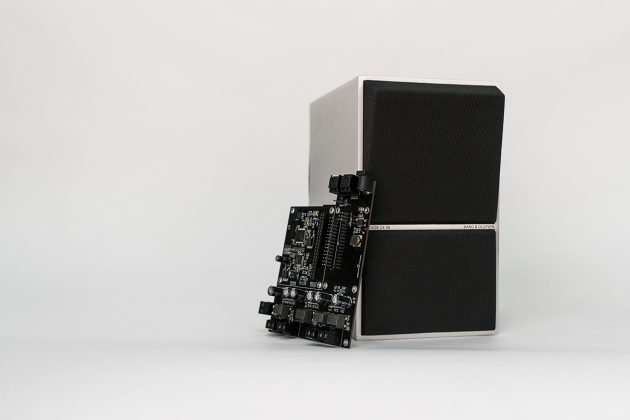
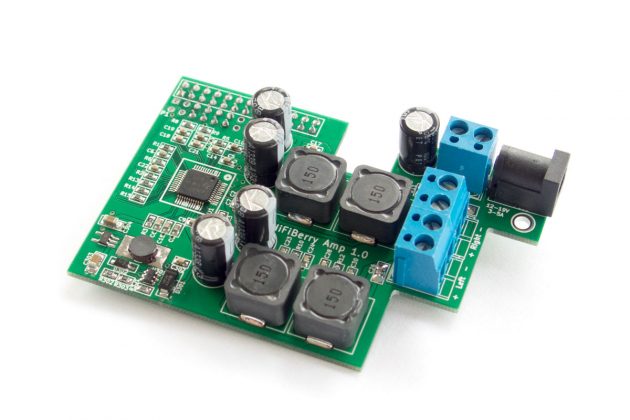
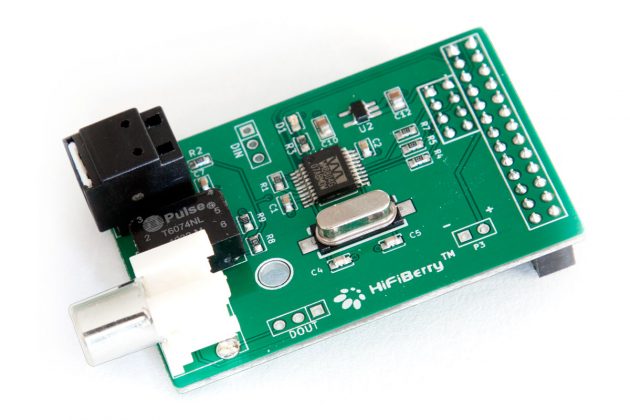
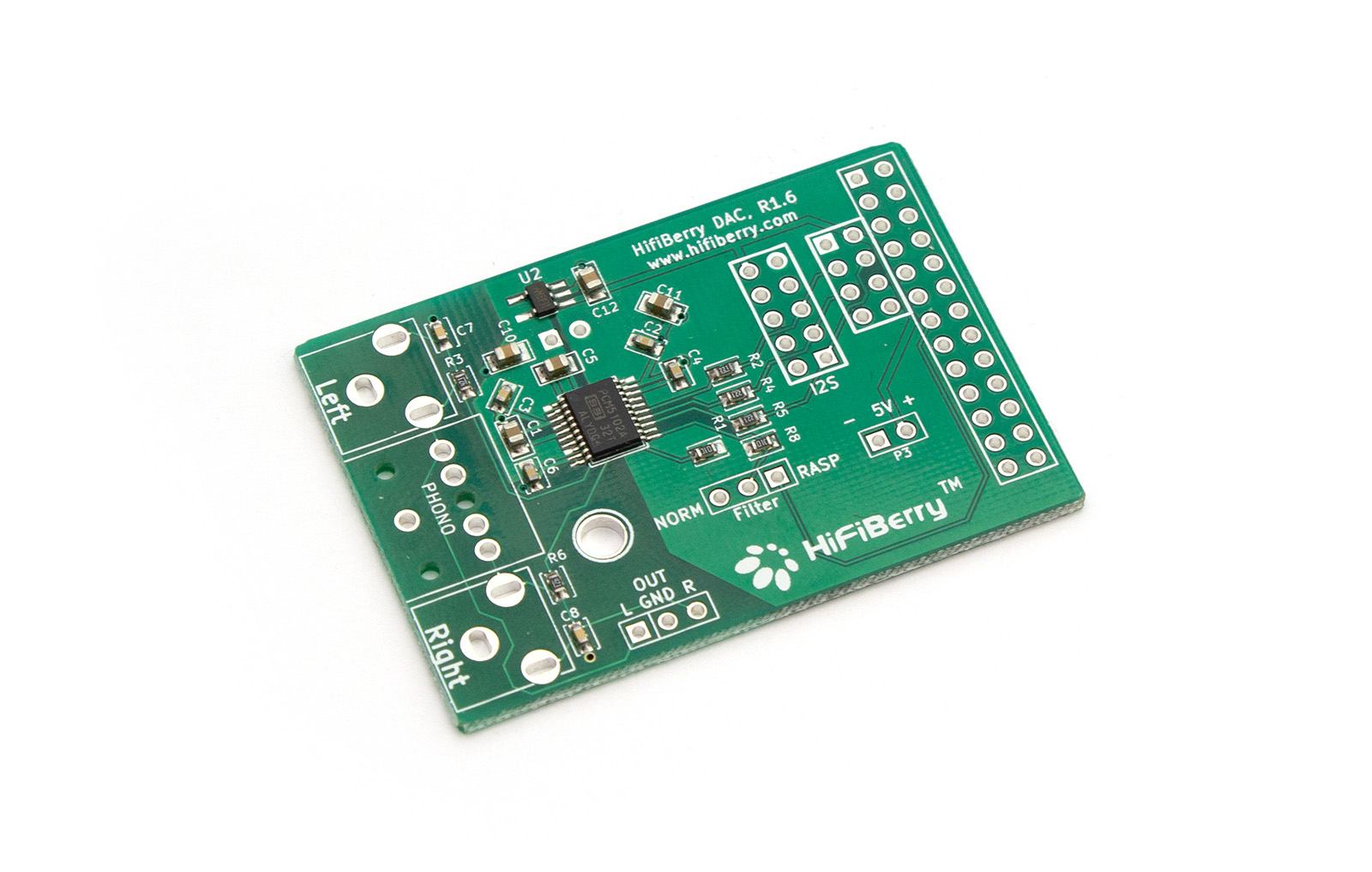
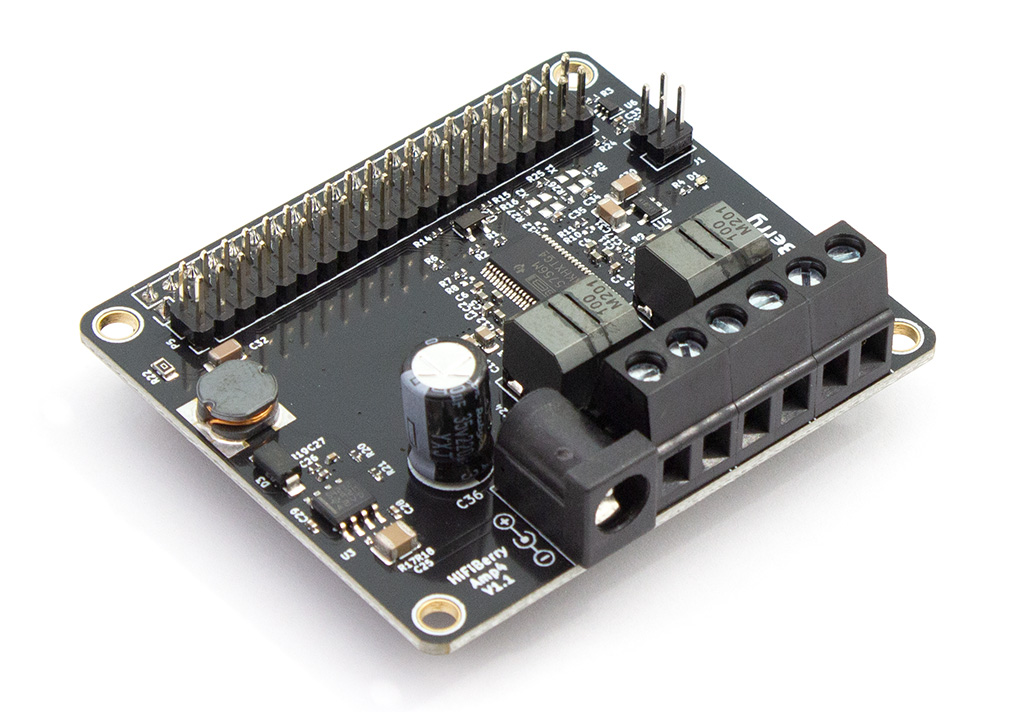
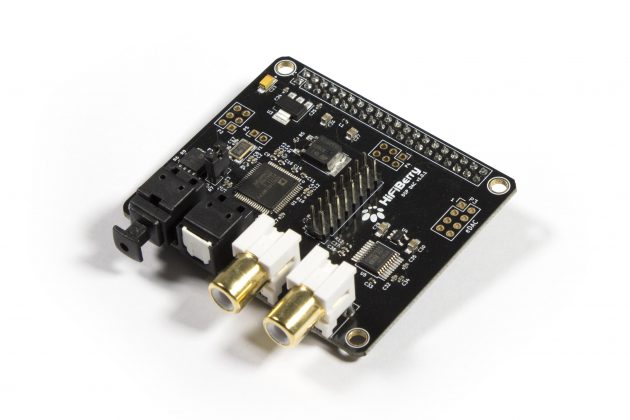
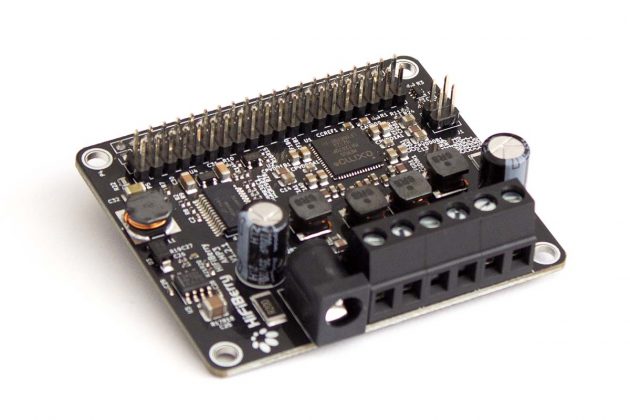
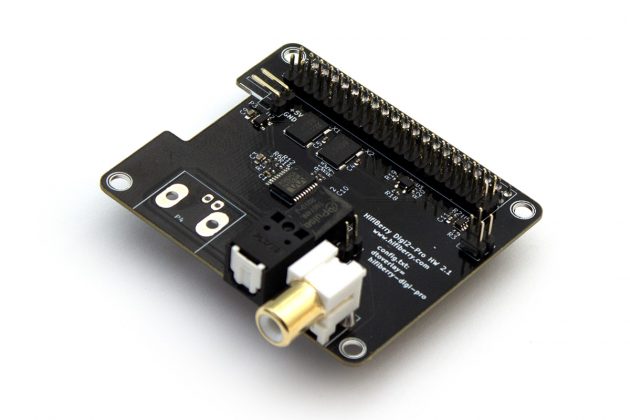
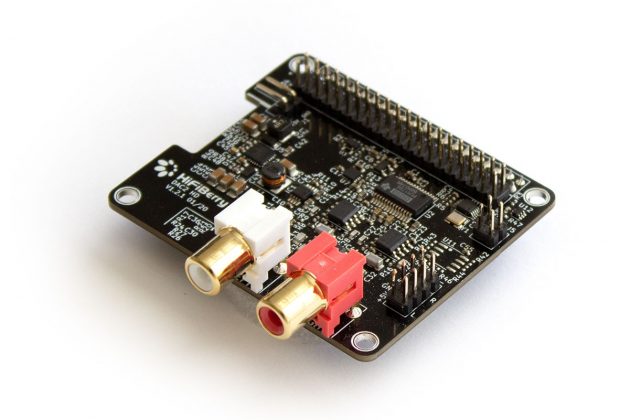
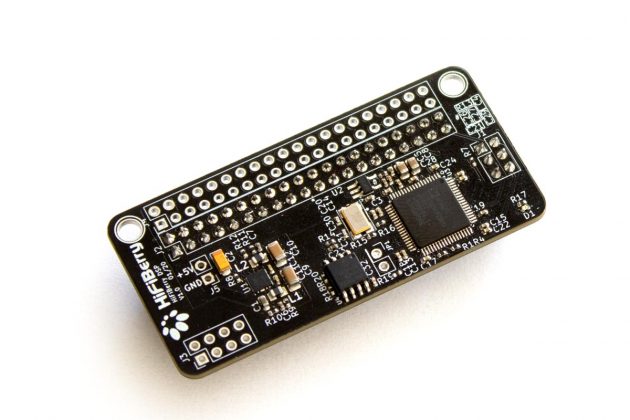
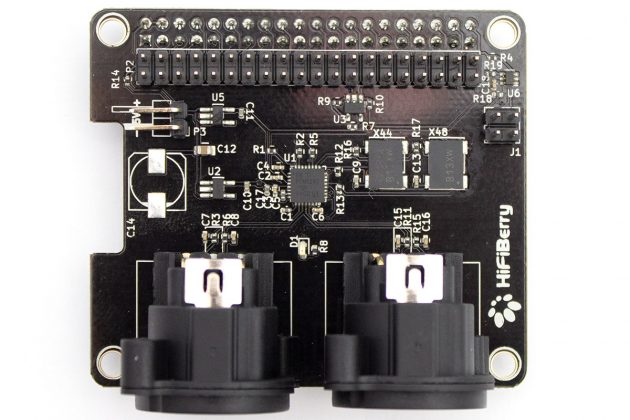
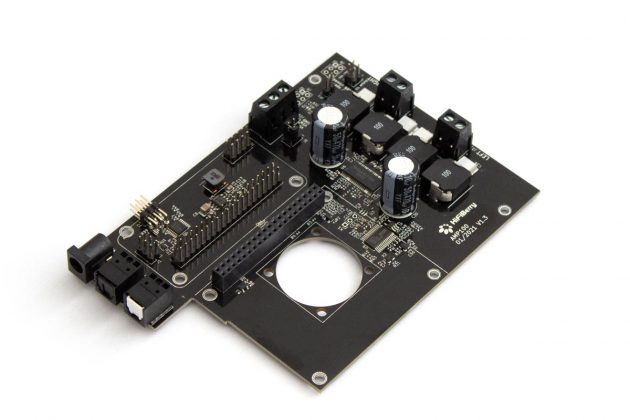
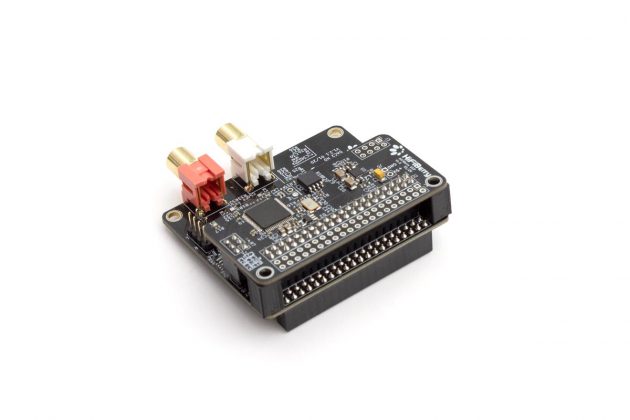
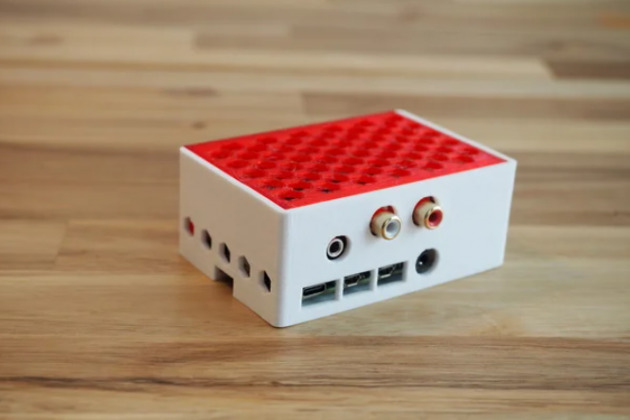
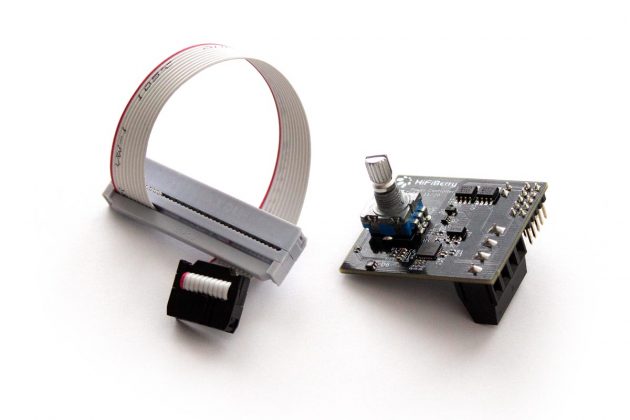
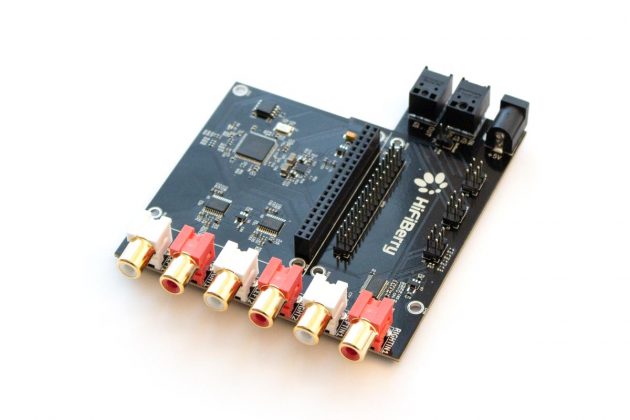
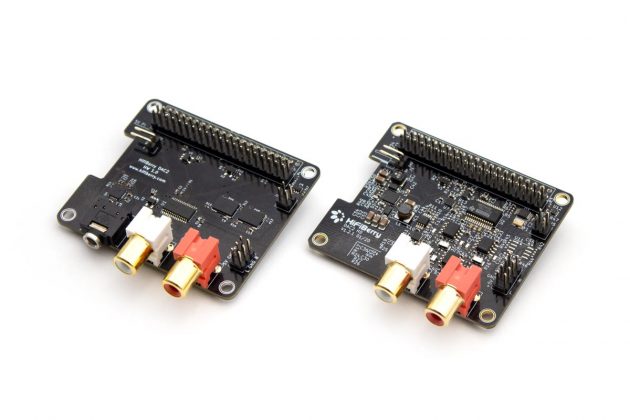
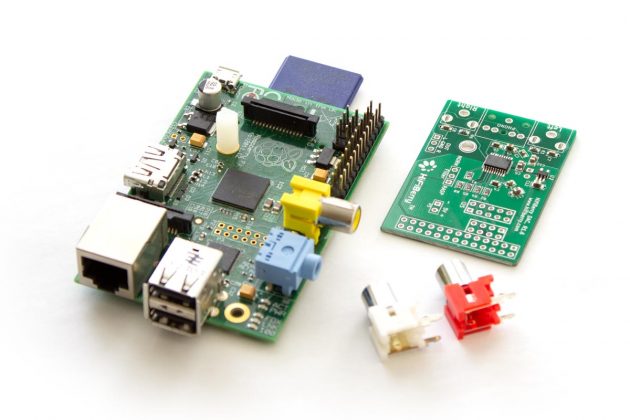
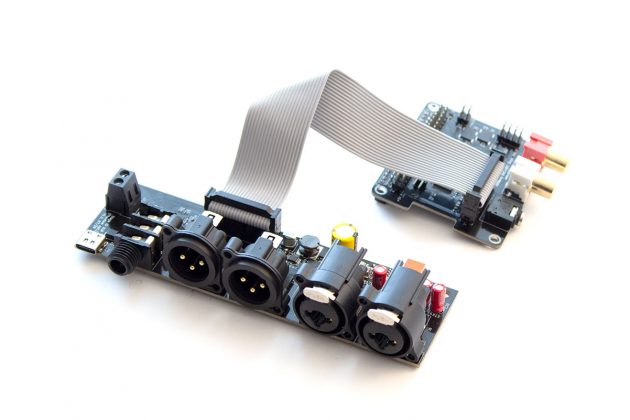
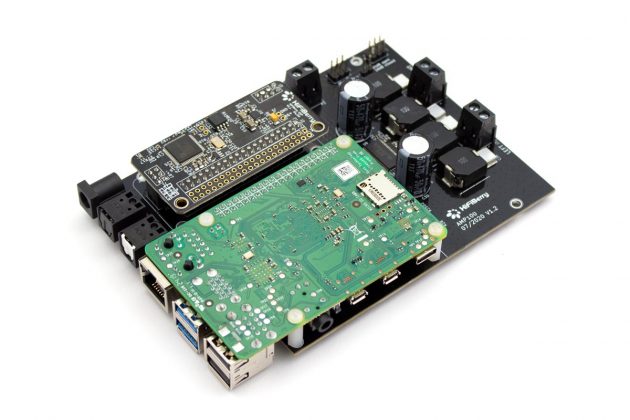
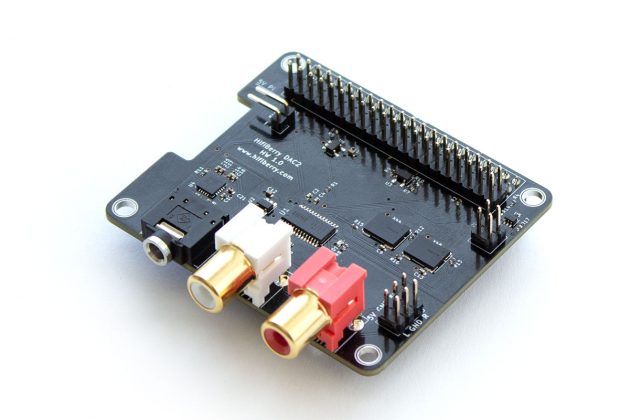
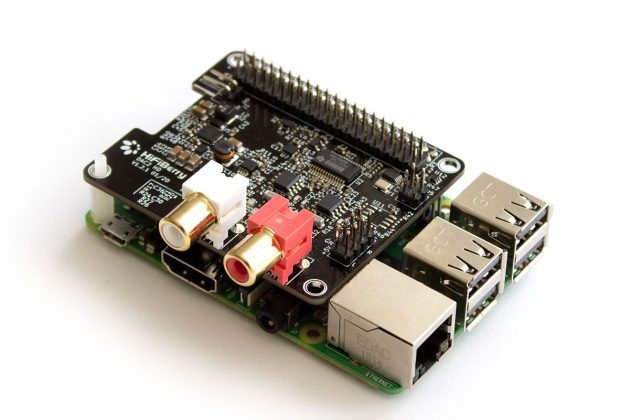
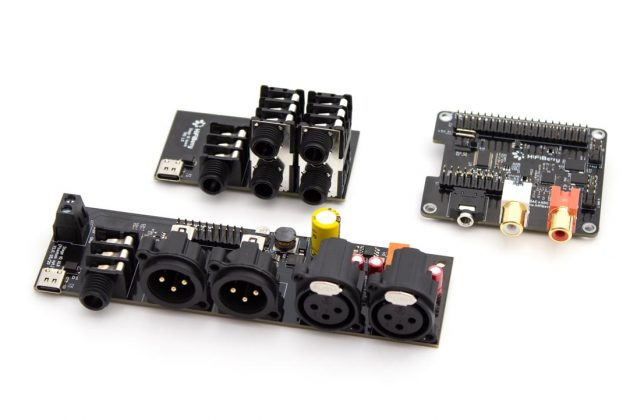
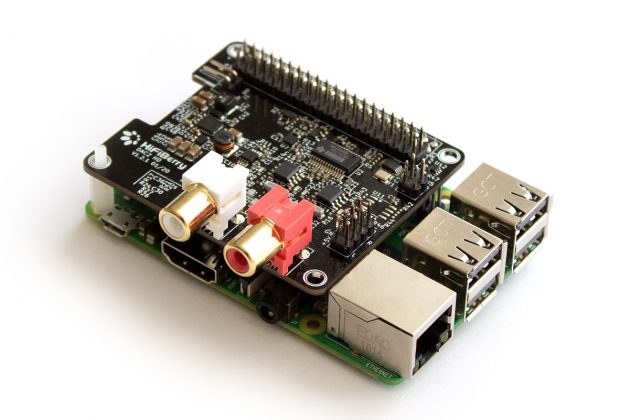
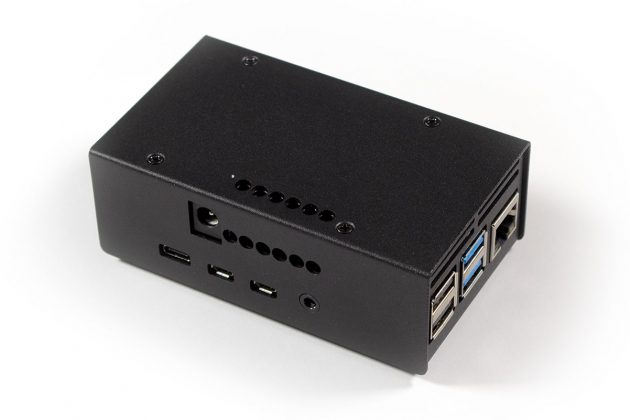
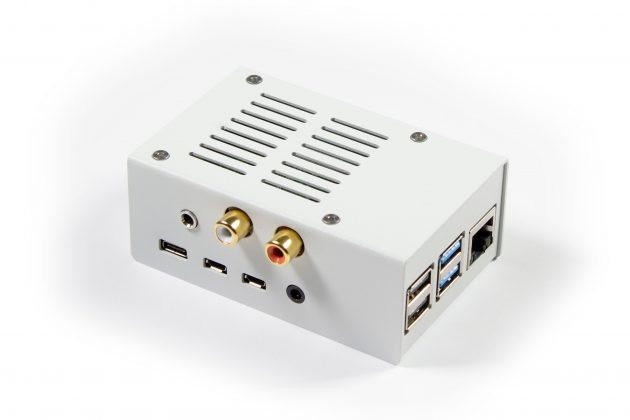
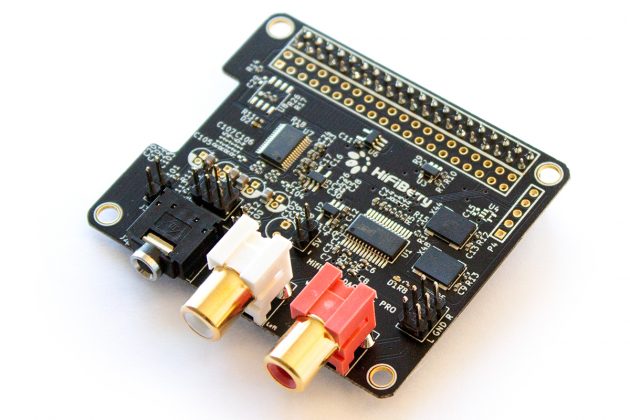
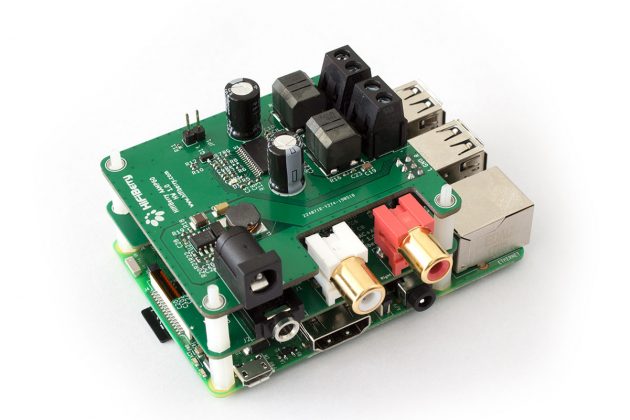
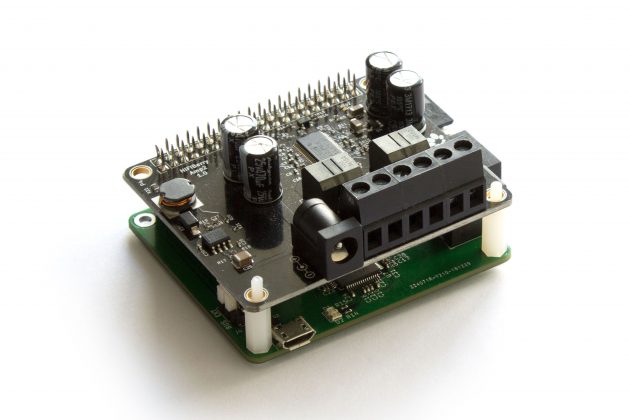
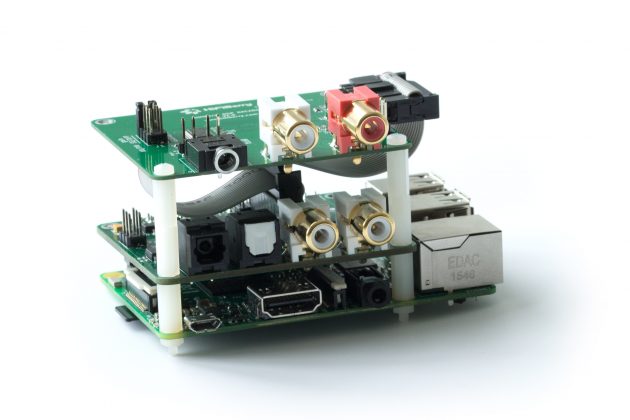
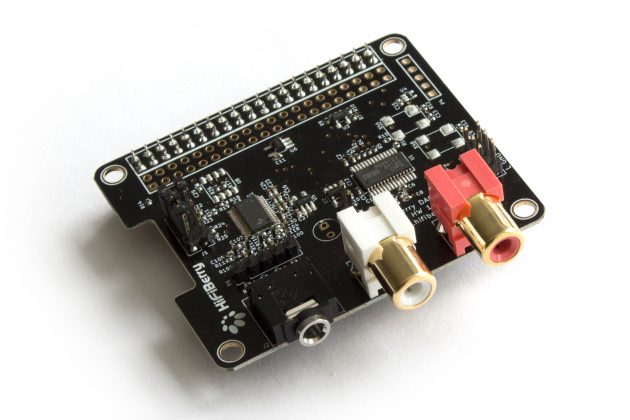
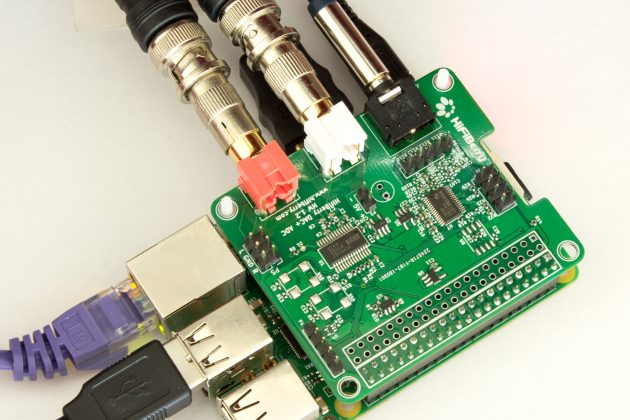
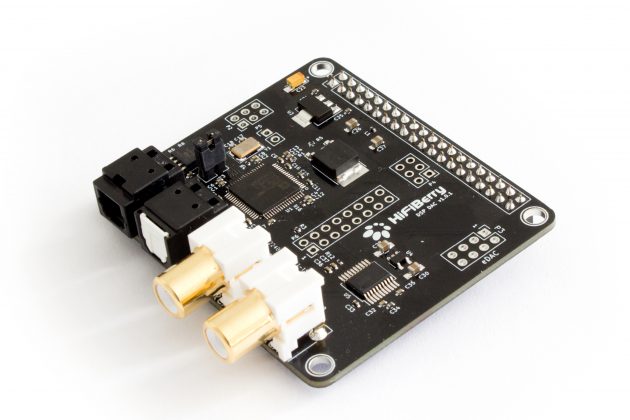
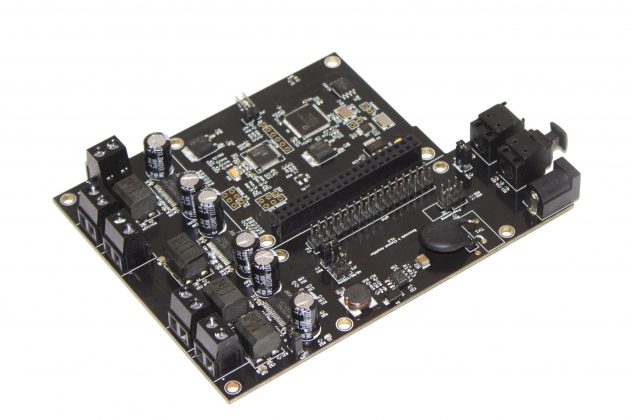
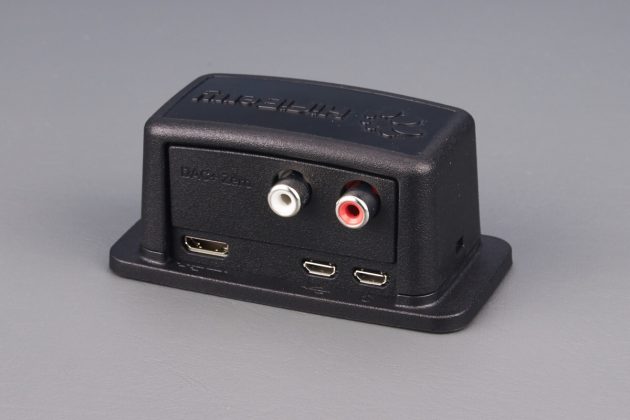
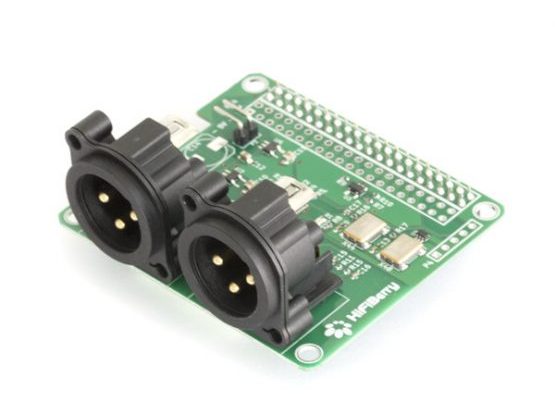
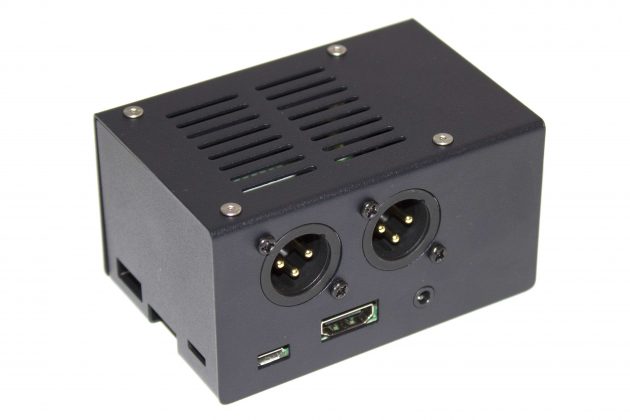
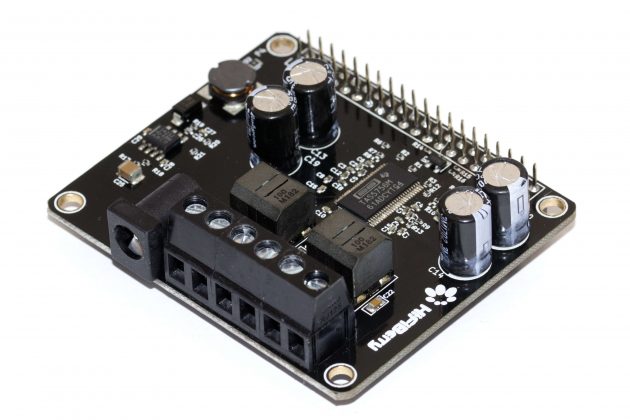
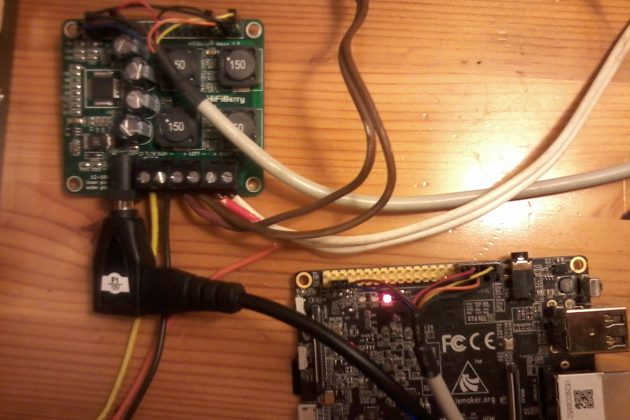
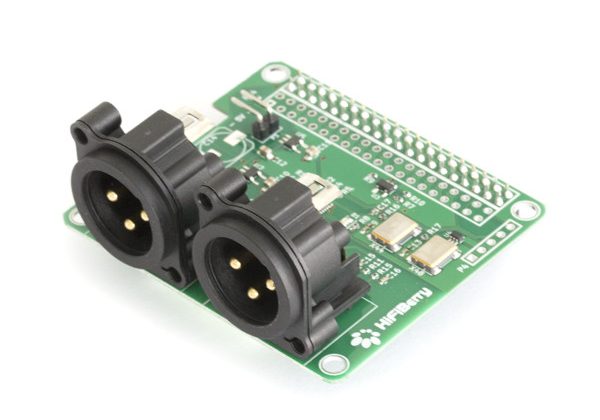
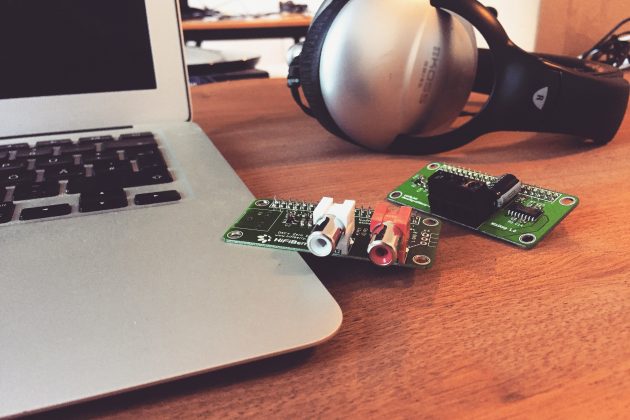
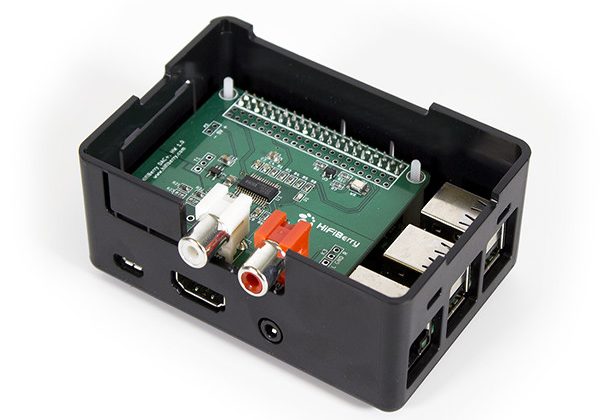
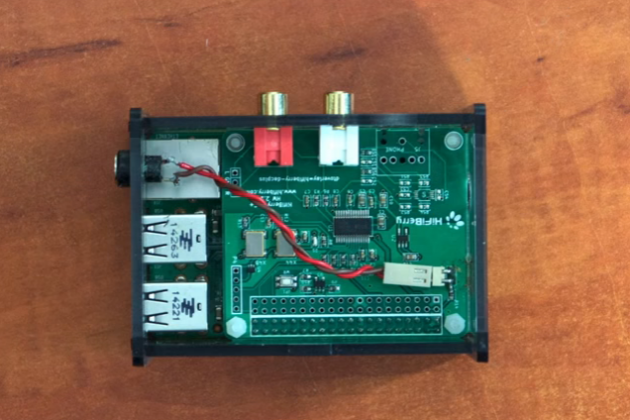
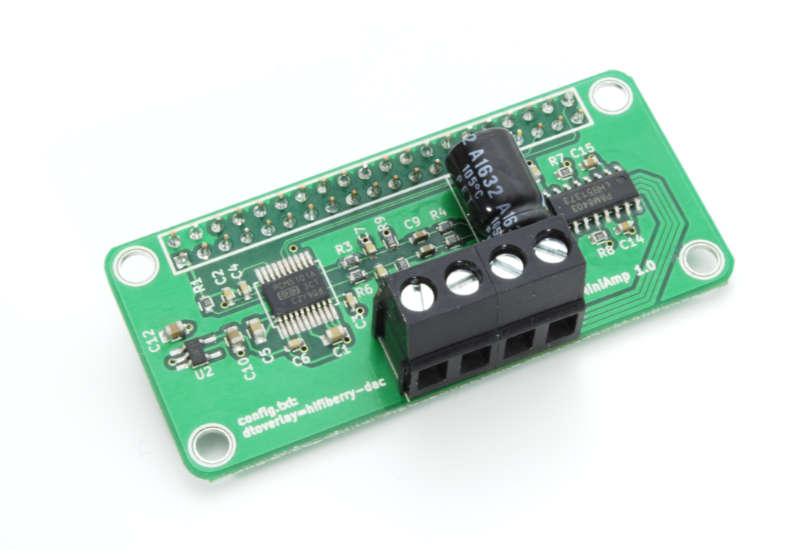
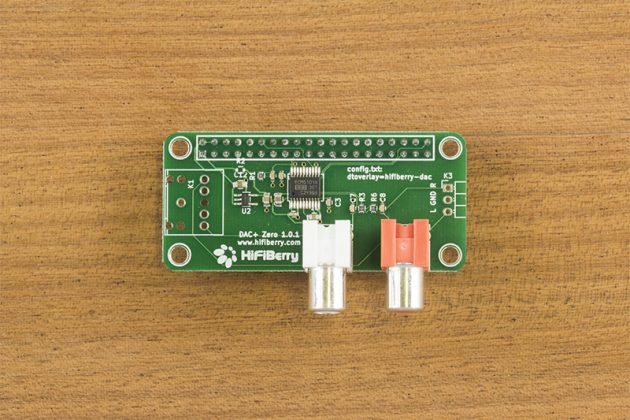
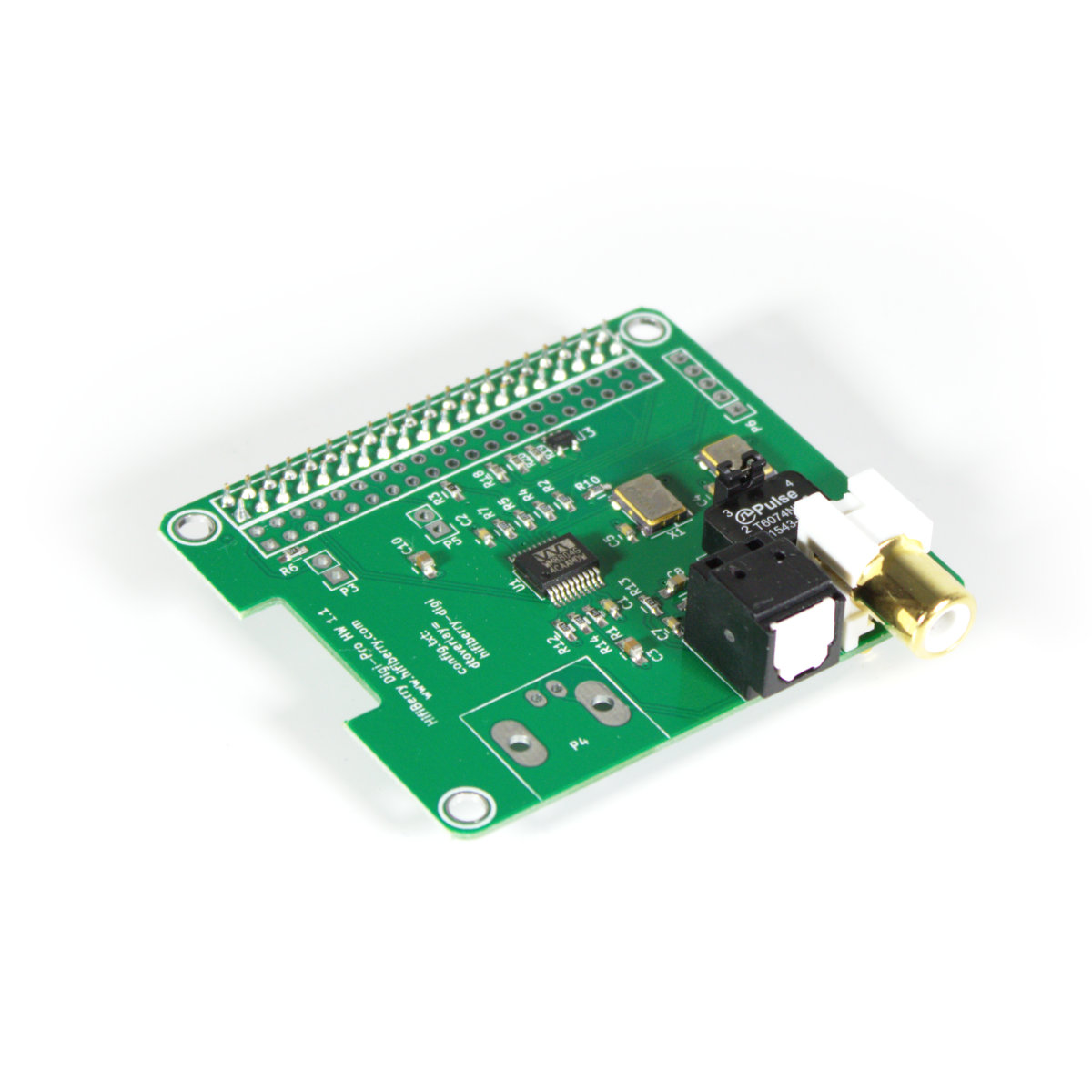
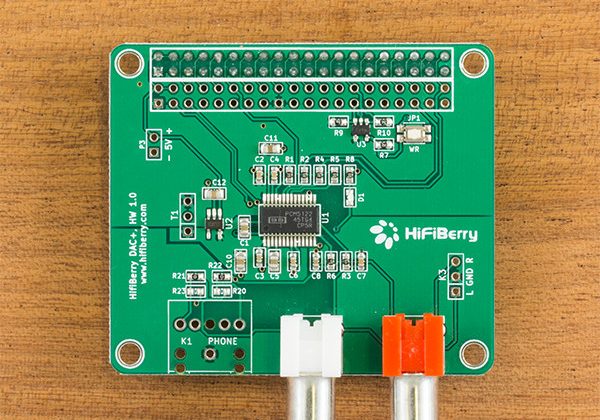
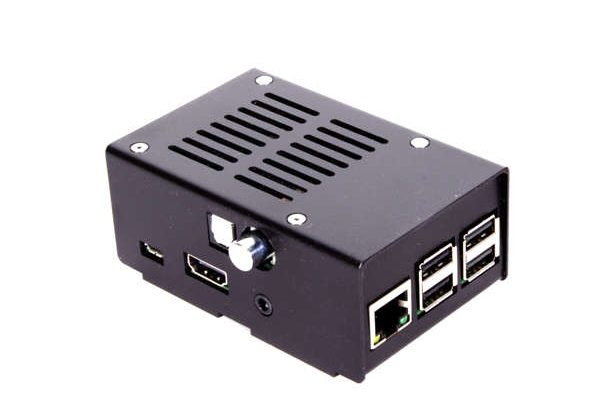
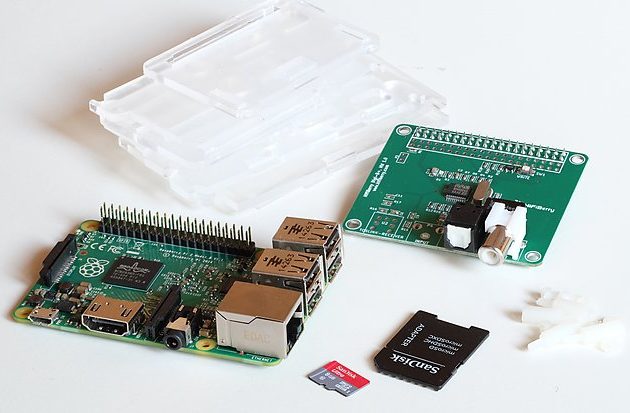
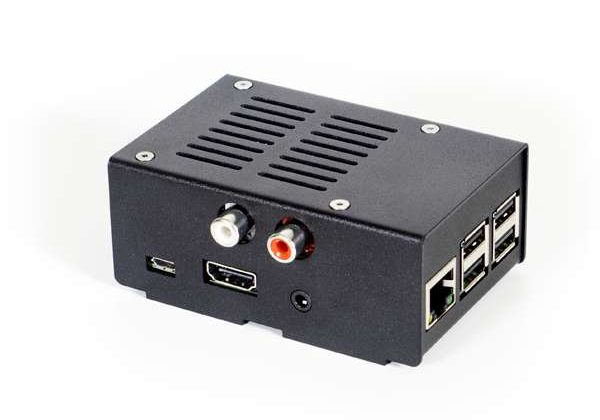
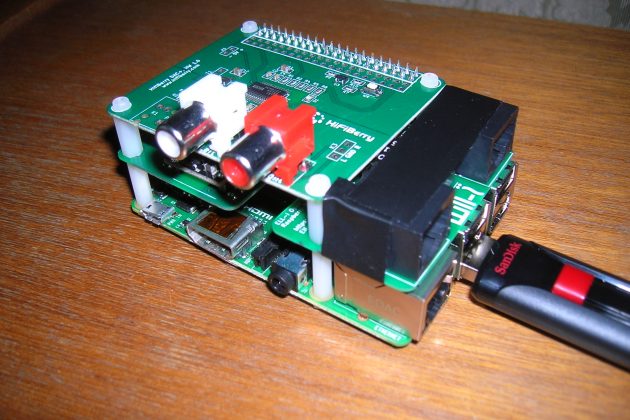
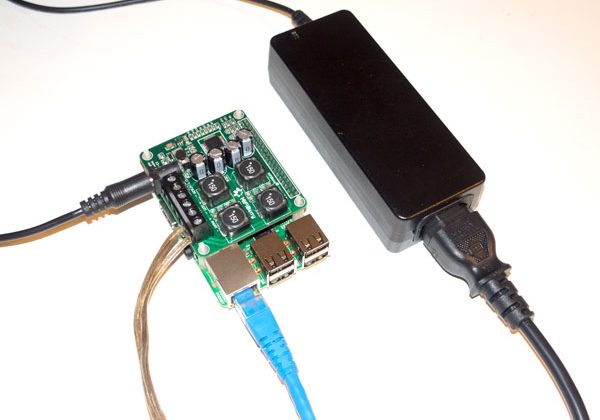
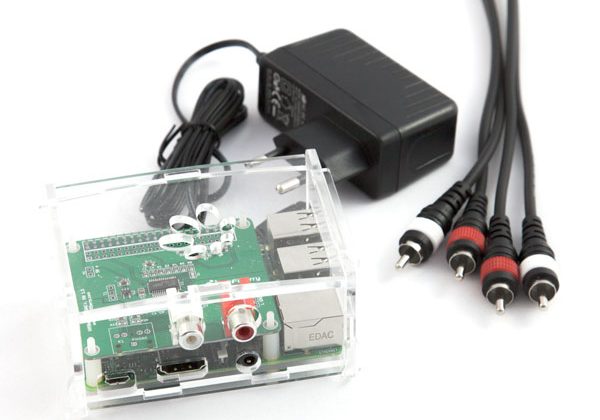
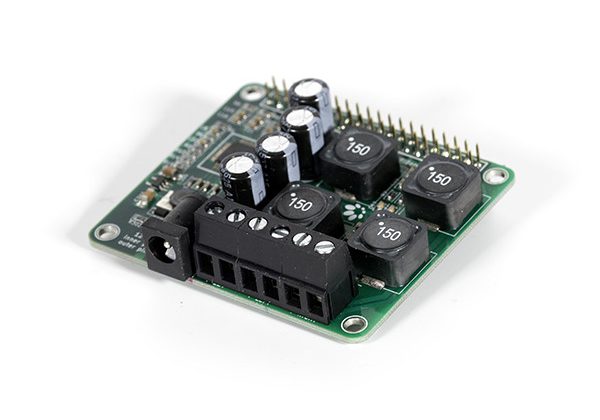
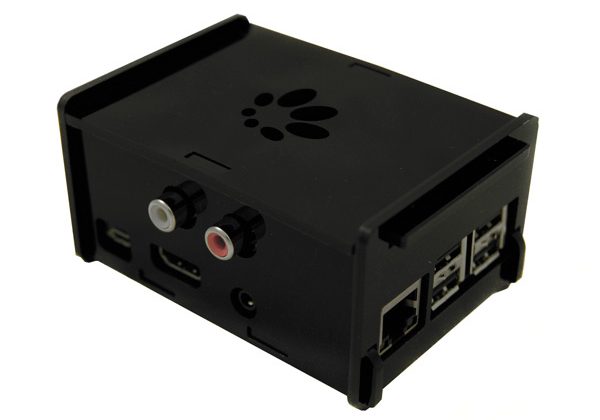
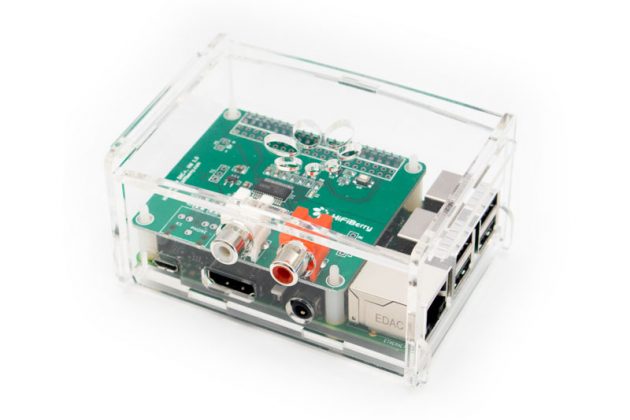
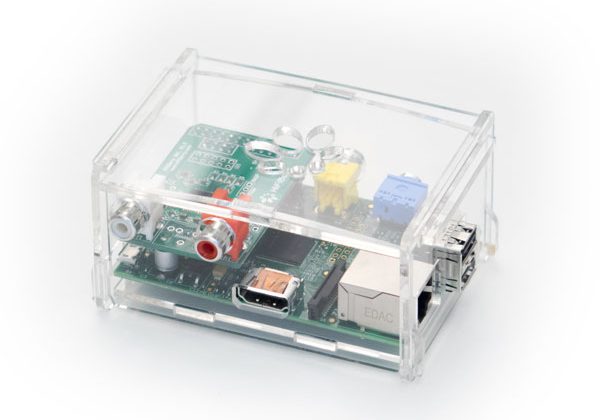
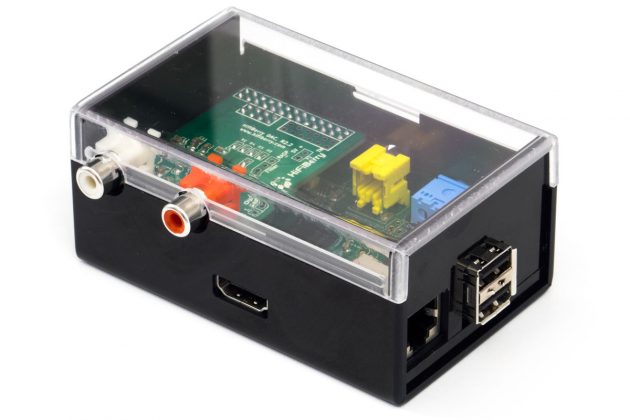
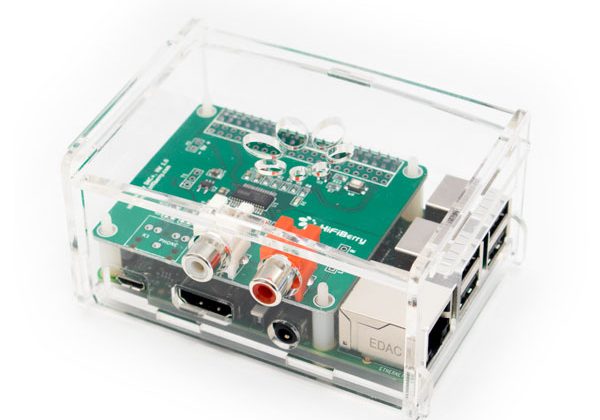
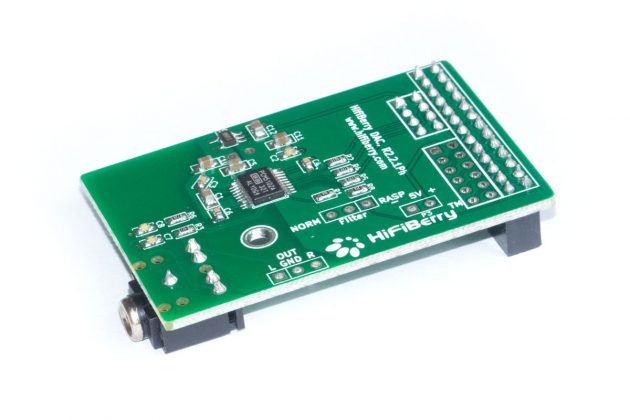
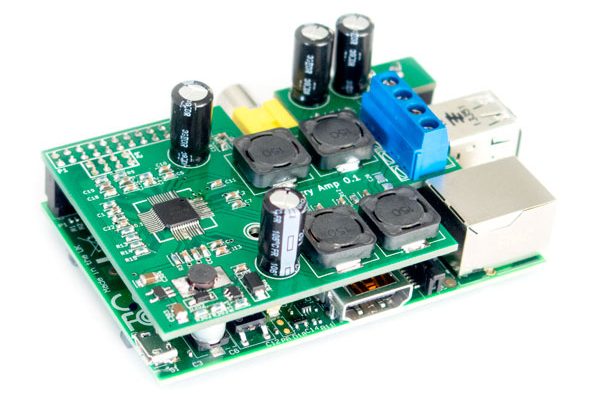
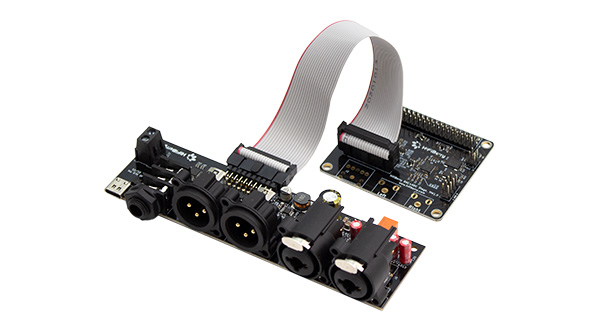
HiFiBerry boards connect directly to the Pi’s I2S bus, bypassing the noisy onboard audio entirely. The result is clean, professional-quality sound with a proper amplifier — no external amp needed, no extra power supply, no cable clutter behind your walls. Our boards are designed specifically for the Raspberry Pi form factor, so everything mounts cleanly in one compact unit.
What One Pi + HiFiBerry Per Zone Gives You
- Continuous ambient soundscapes — dungeon drip, spaceship hum, jazz lounge atmosphere that runs on loop without gaps or glitches
- Sensor-triggered effects — puzzle solved chimes, door-open sounds, wrong-answer buzzers, timed countdowns
- Game master audio — pre-recorded character dialogue, clues, voice announcements played on demand
- Relay control for physical props — magnetic locks, LED strips, fog machines, motorized elements triggered from the same device
- Network coordination — multiple zones can communicate so that solving a puzzle in room 1 triggers an effect in room 2
The Numbers
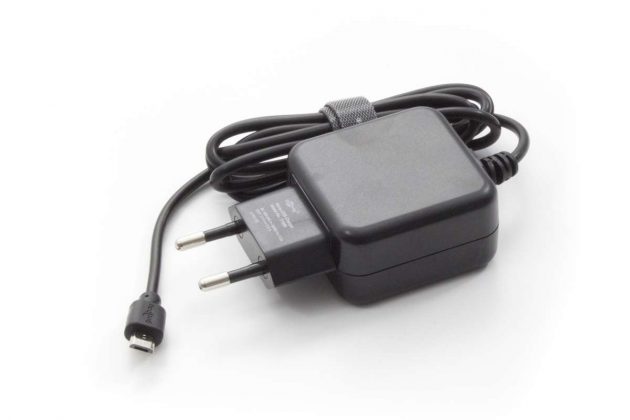
A complete single-zone controller — Raspberry Pi, HiFiBerry amplifier board, relay board, speaker, and power supply — comes in under €200. Compare that to dedicated escape room controllers that cost €500 or more and still require a separate audio system.
For a 5-room venue, that is roughly €1,000 in hardware versus €2,500+ for proprietary alternatives. And when something needs replacing, you are swapping a standard component in minutes — not waiting on a specialist or a manufacturer support queue.
Built for Commercial Use
Escape rooms run 14 hours a day, 7 days a week. HiFiBerry boards have been deployed in commercial installations for over a decade. No fans, no moving parts. If a board ever does need replacing, it swaps out in minutes and costs a fraction of what proprietary hardware costs.
More importantly: you own the system. The software is open, the hardware is standard, and your staff can maintain it. No vendor lock-in, no licence fees, no dependency on a company staying in business.
Getting Started
Whether you are building your first room or upgrading your tenth, the combination of Raspberry Pi and HiFiBerry gives you a professional-grade, maintainable, cost-effective platform. Talk to us — we have been turning Raspberry Pis into professional audio systems since 2013.
February 27, 2026