Blog
Vibrations: Why we love them
Audiophiles spend a lot of energy worrying about vibrations — isolating turntables, decoupling speakers, damping chassis. Fair enough. But it’s worth remembering what sound actually is: vibration in a medium. Usually that medium is air. It doesn’t have to be. Almost any material can carry sound — some much better than others — and that opens up a lot of places to use audio hardware that have nothing to do with music. Here’s a tour from the bottom of the ocean to orbit.
Sound Doesn’t Need Air
“Sound” is just a pressure wave traveling through a medium that can be compressed and pushed back — air, water, steel, rock, anything with some elasticity. Air is the medium we’re built to hear, so it’s the one we default to thinking about. It’s also, acoustically, one of the worse ones: low density, low speed of sound, lots of attenuation over distance.
Water is a dramatically better medium. Sound travels through seawater at roughly 1,500 m/s — more than four times faster than in air — and loses far less energy per kilometer, especially at low frequencies. That’s the entire basis of whale communication: blue and fin whales call at frequencies as low as 15–20 Hz, and under the right depth and temperature conditions (the deep “SOFAR channel,” where sound gets trapped and barely spreads out), those calls have been tracked over hundreds of kilometers.
Solids carry vibration too, just differently — faster still (sound moves through steel at around 5,000 m/s), but usually only over short distances before it has to be picked up by a sensor in contact with the material, rather than a microphone listening to a medium around it.
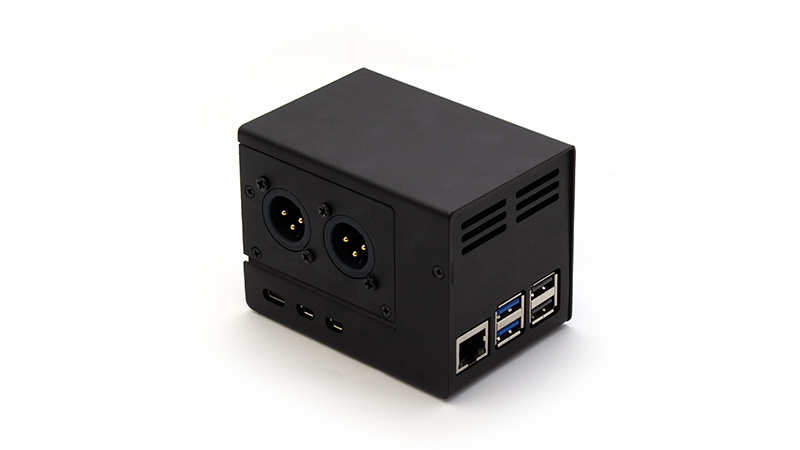
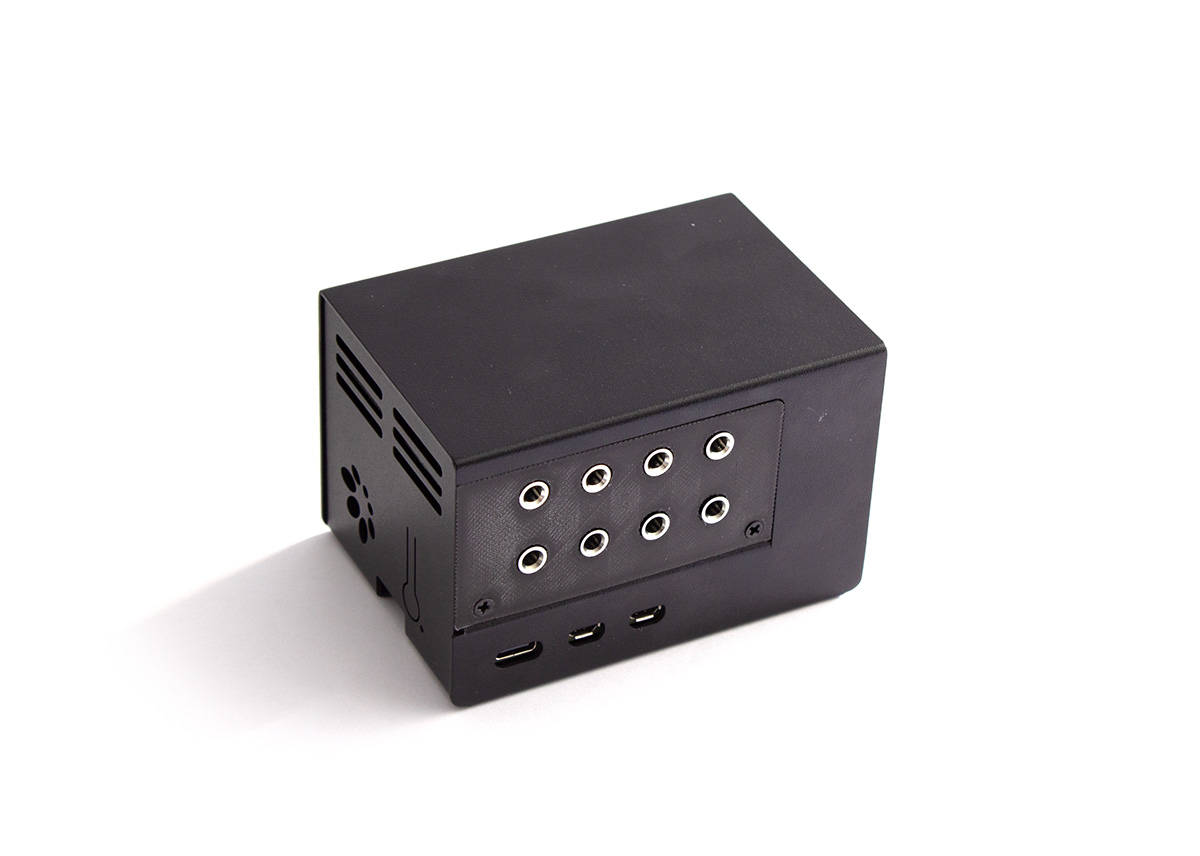
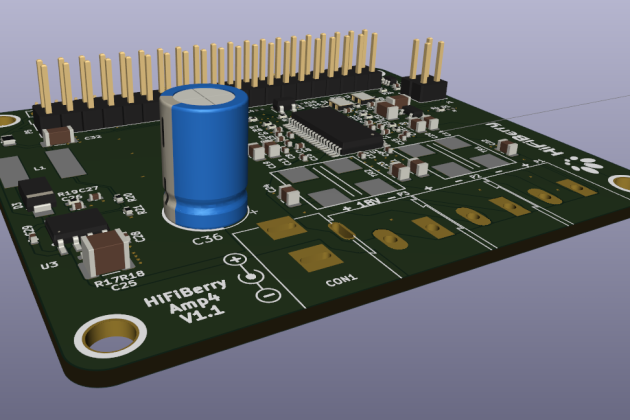
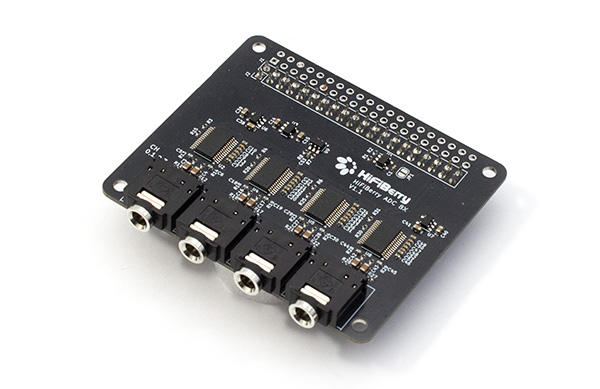
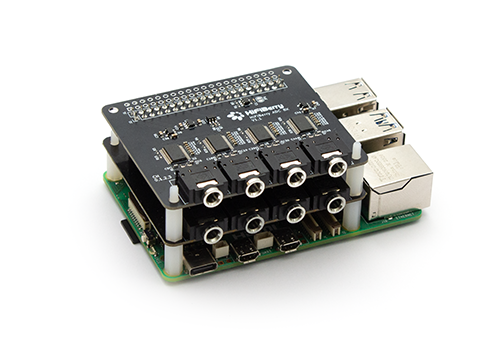
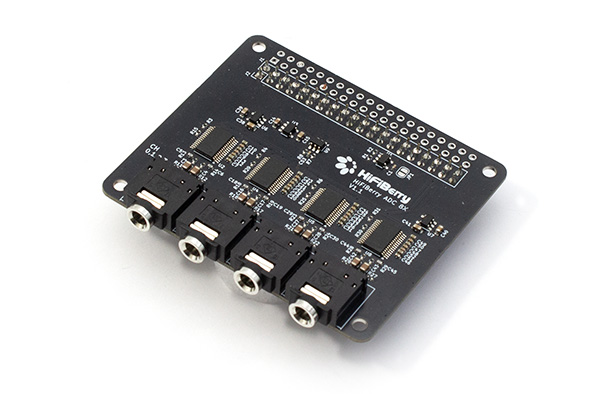
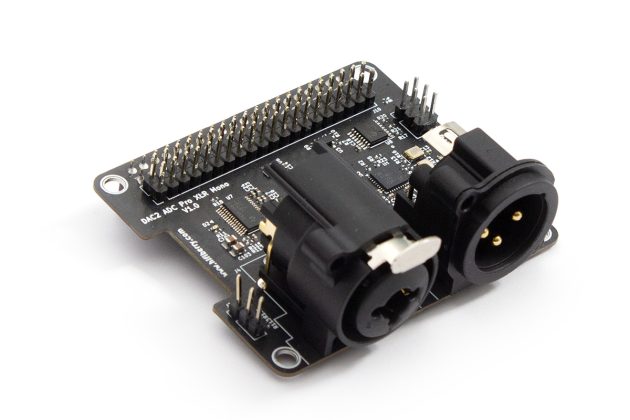
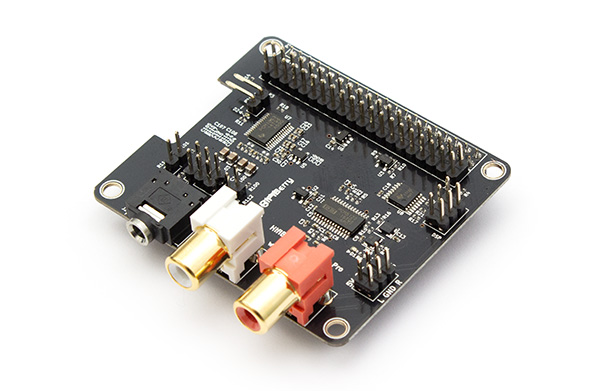
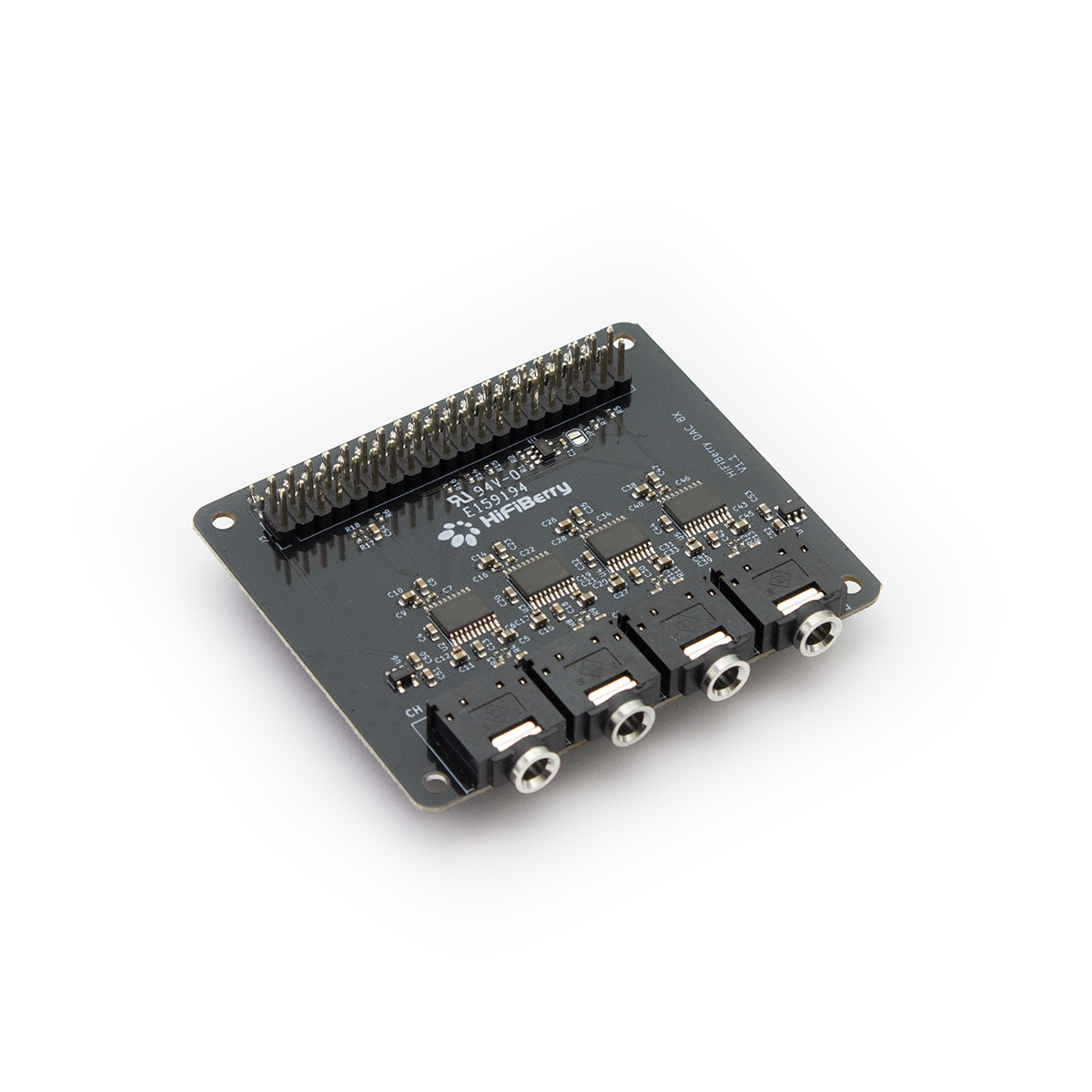
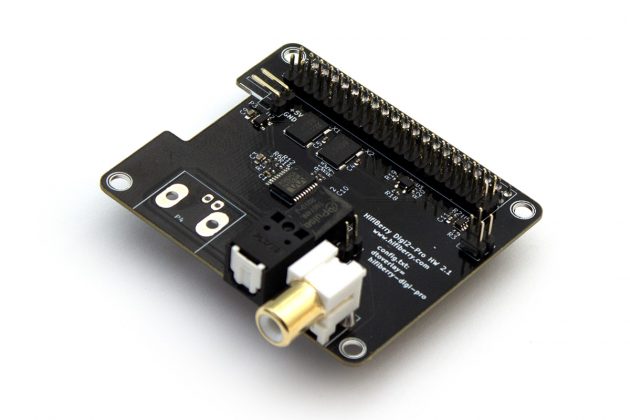
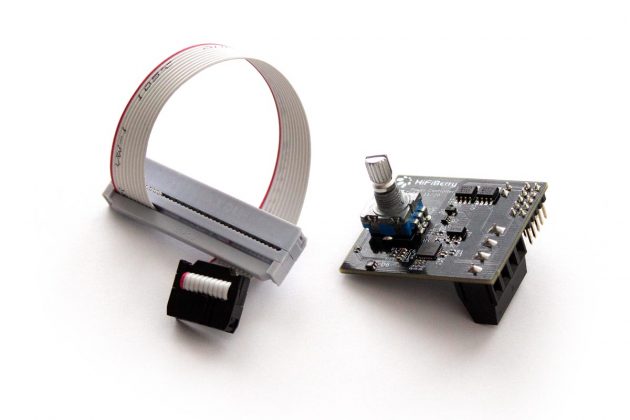
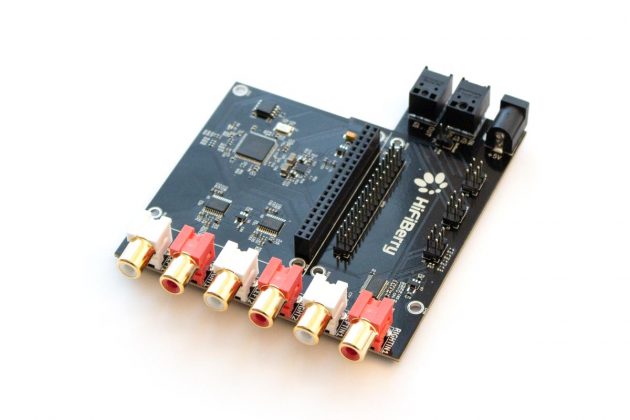
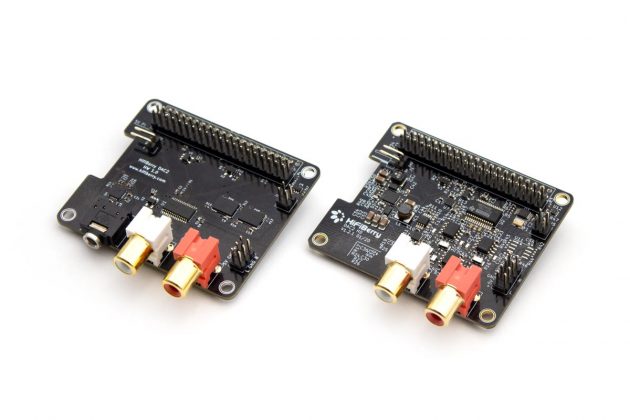
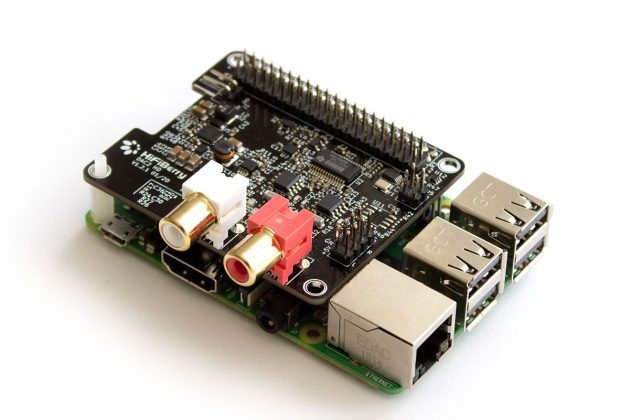
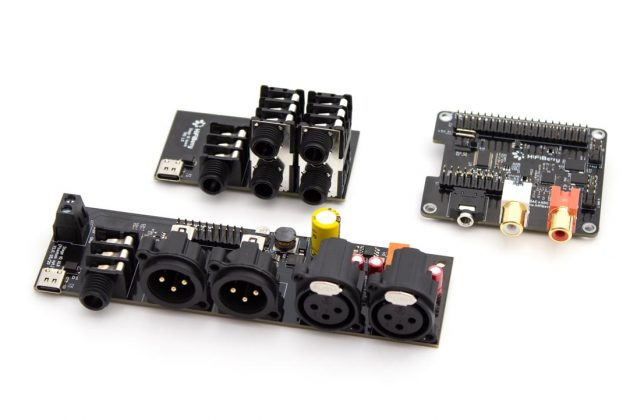
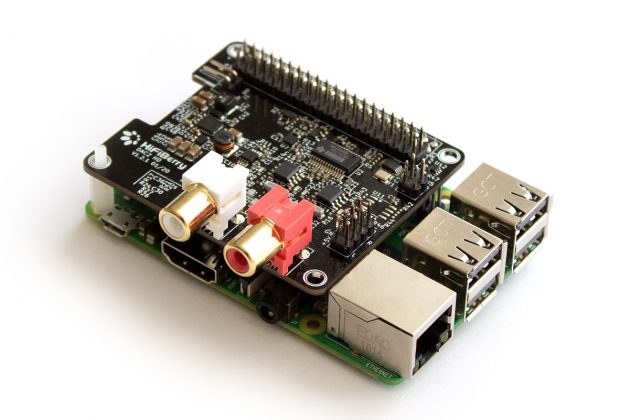
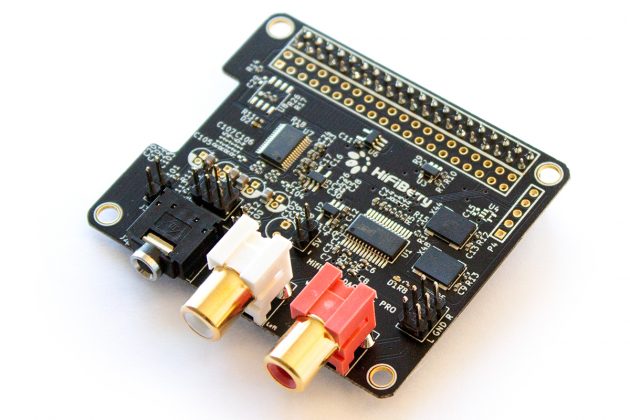
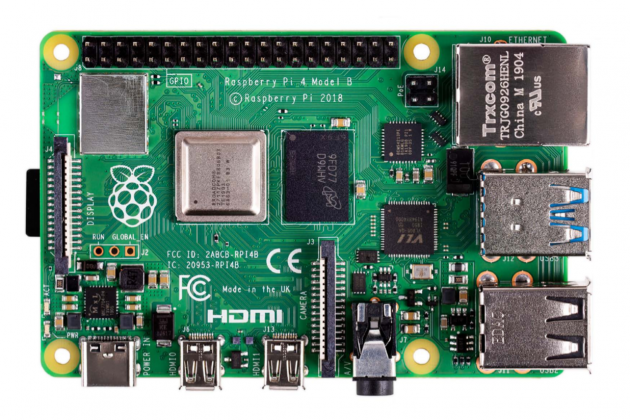
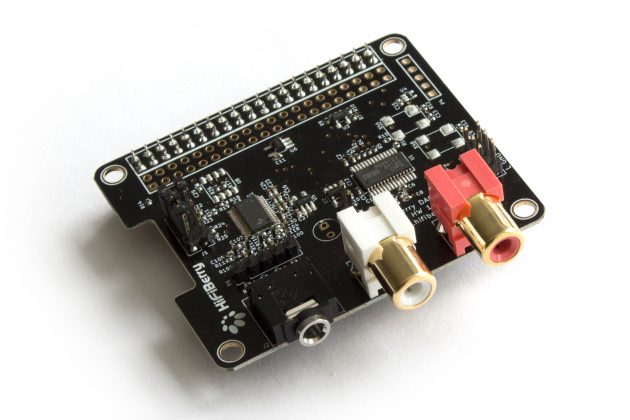
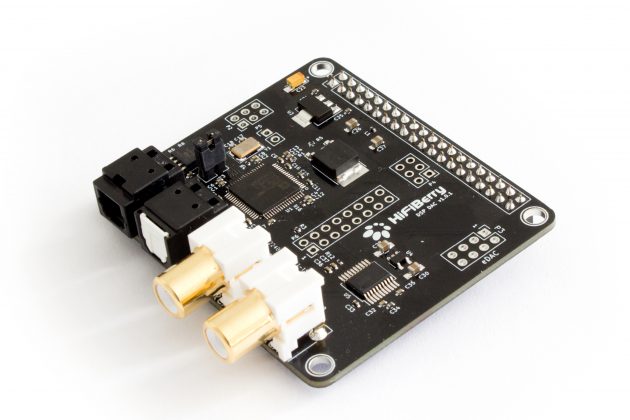
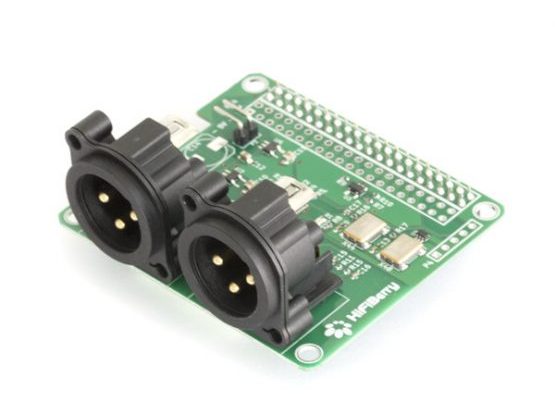
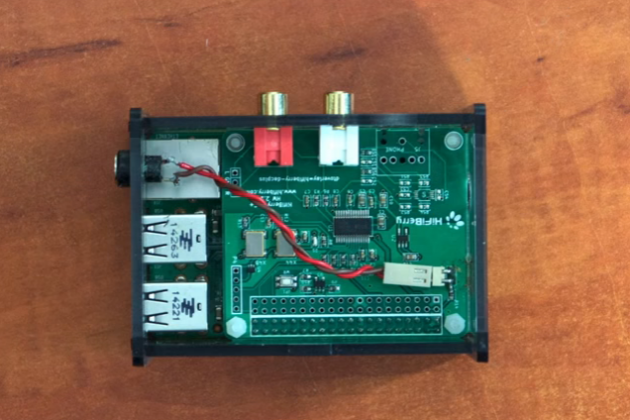
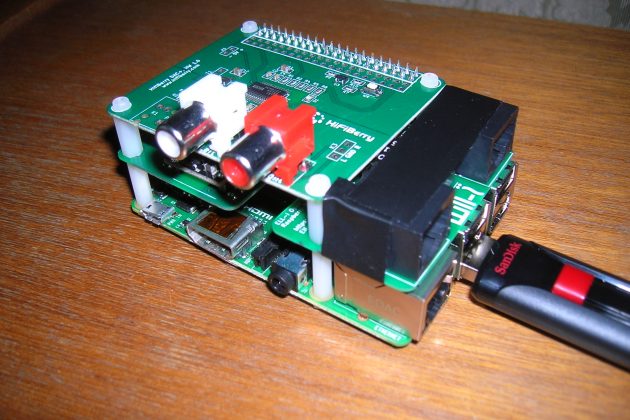
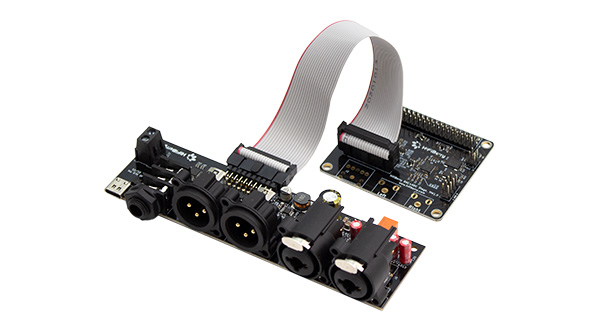
Once you stop thinking of “sound” as “music in air,” a HiFiBerry board is really just a very good analog front end for capturing vibration — in whatever medium it shows up in. Here’s where that ends up being used, from the deepest point on the planet to orbit.
−11 km: The Deep Sea
Start at the bottom: the Challenger Deep in the Mariana Trench, at just under 11,000 meters. Nobody’s running a HiFiBerry card down there — we don’t know of anyone, anyway — but the medium at that depth is the same water that makes ocean acoustics interesting at any depth, and HiFiBerry hardware shows up further up the water column for exactly that reason.
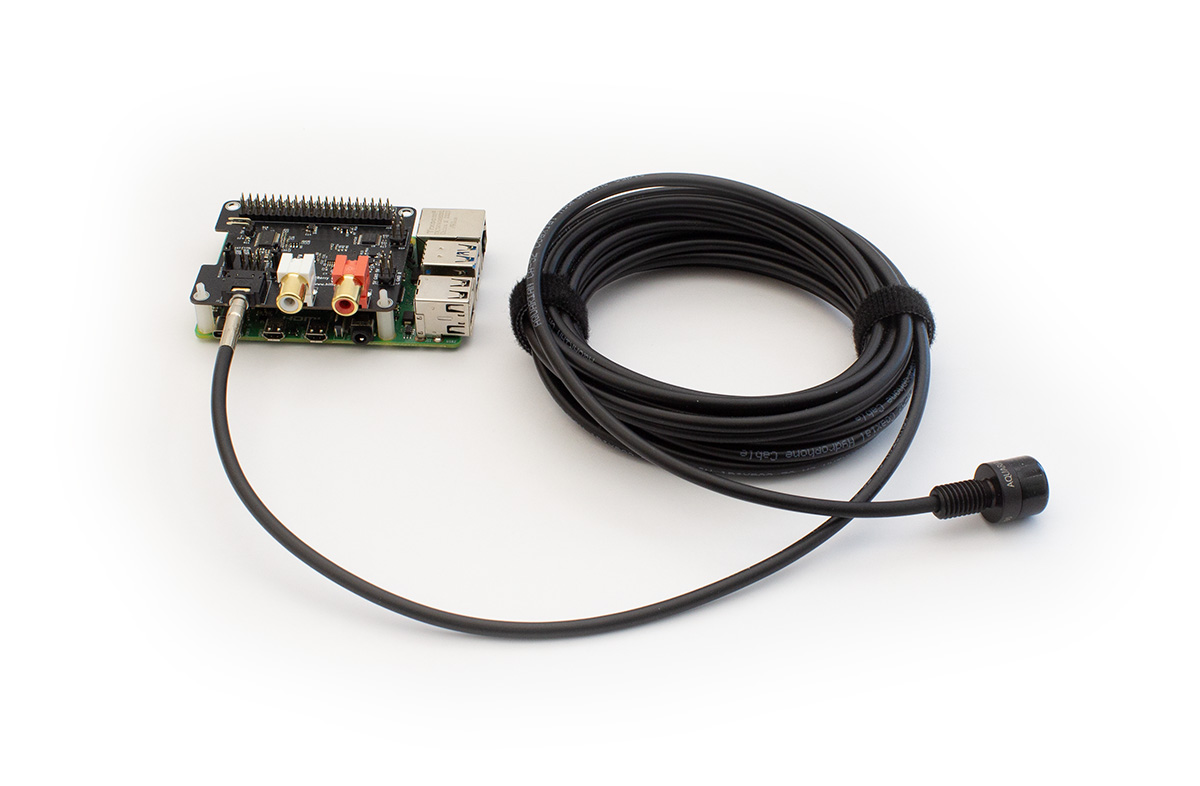
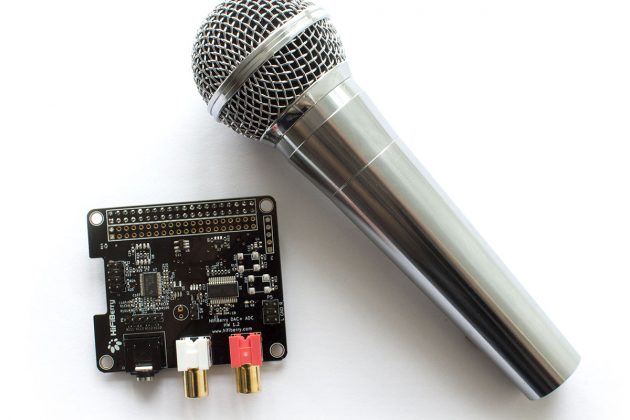
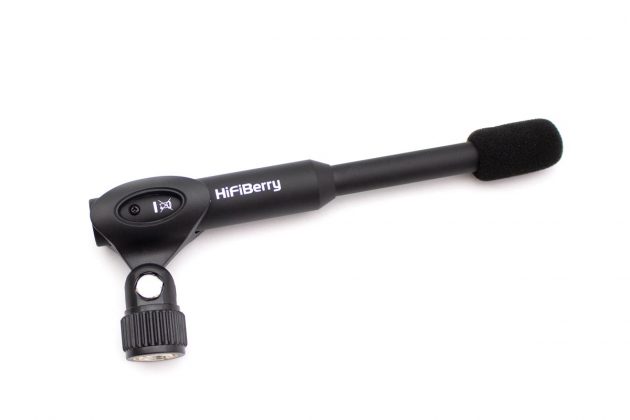
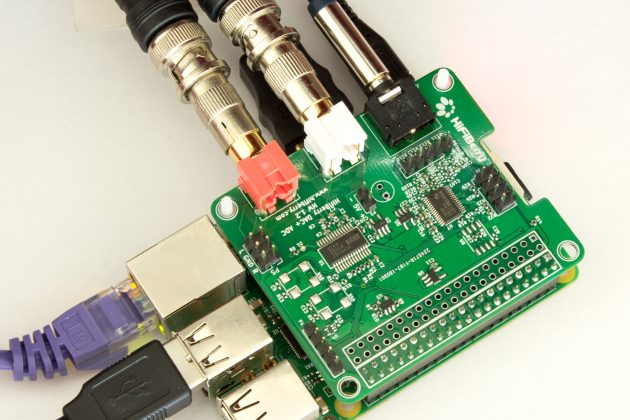
Users have built aquatic monitoring systems around our ADC and DAC boards, feeding in signals from hydrophones rather than microphones:
- Underwater noise measurement — tracking shipping noise, construction noise, or general ambient ocean noise levels.
- Marine animal monitoring — recording and logging cetacean calls and other biological sound.
- Underwater acoustic modems — using sound itself as the communication channel, the same way whales do, just with a Raspberry Pi and a hydrophone instead of a larynx.
The medium is water, the “vibration” is the exact same physical phenomenon as music coming out of a speaker — just picked up by a hydrophone instead of a microphone, and running through the same kind of ADC that would otherwise be digitizing a turntable.
Sea Level: Where Everything Vibrates
Come up to where people actually live, and vibration is everywhere — most of it unwanted. Two directions this goes:
Measuring it. Seismic monitoring and machine condition monitoring both come down to the same task: capture a vibration signal (from a geophone, seismometer, or accelerometer) with a good, low-noise ADC and get it into something you can analyze. A motor with a developing bearing fault vibrates differently before it fails than after — if you can capture and analyze that signal, you can catch the fault early.
Cancelling it. Sometimes the goal is the opposite: zero vibration. Active vibration isolation tables — used under sensitive lab equipment, optical setups, or precision manufacturing tools — work exactly like noise-cancelling headphones, just for mechanical motion instead of sound in air. A sensor measures the incoming vibration, and an actuator generates an equal and opposite motion to cancel it out in real time. Same control-loop concept as ANC headphones; different medium, different actuator.
In the Air: What Actually Happens on a Flight
Up into the air, back to the medium we’re used to — except now the thing making the vibration, and the thing we care about measuring, is an airframe rather than a speaker cone. Anyone who’s flown knows how much an aircraft vibrates: engines, airflow over the fuselage, control surfaces, landing gear.
Measuring those vibrations in flight test and structural health monitoring isn’t about making the cabin quieter as an end goal (though it can help with that too) — it’s about finding weak points, validating a design before certification, and catching fatigue damage before it becomes a failure. That again comes down to capturing an accelerometer or strain signal with a clean, reliable ADC channel — the same job a sound card does for a microphone, just with different source hardware feeding it.
Into Orbit: Vibration You Can’t Afford to Get Wrong
Keep going up and you run out of air and water entirely — no medium at all, just vacuum. At that point “sound” in the traditional sense can’t exist, but vibration very much still does: it just has to travel through something solid, usually metal.
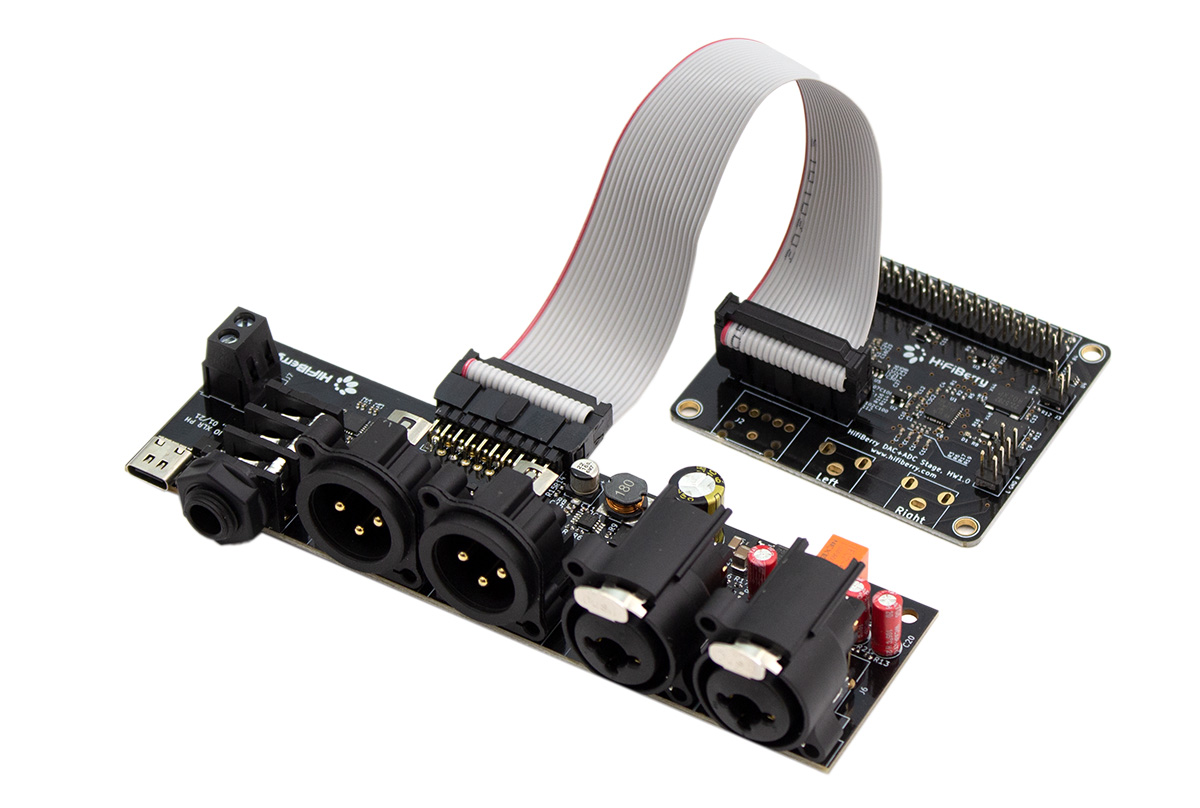
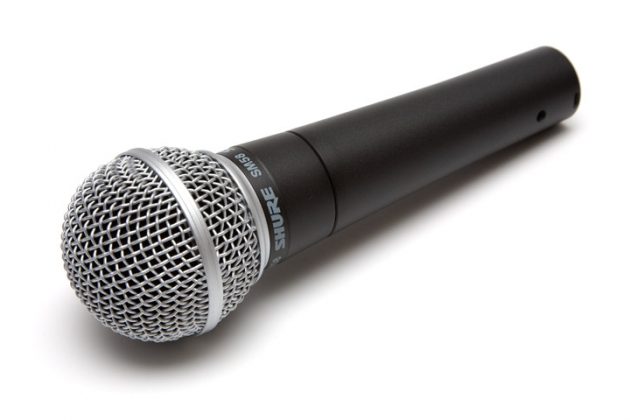
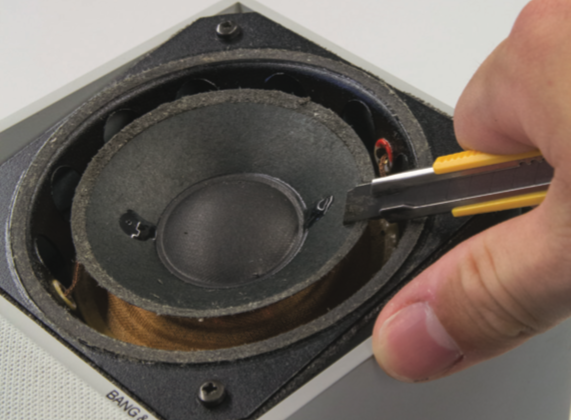
We can’t talk about specific projects here, but there have already been HiFiBerry boards flying in space — and we expect more of them up there in the years to come. What makes that possible is the same pairing you’d use for any audio setup, just relabeled: a loudspeaker is really just an exciter, something that turns an electrical signal into motion; a microphone is really just a sensor, something that turns motion back into an electrical signal. Swap the loudspeaker for a piezoelectric actuator bonded to a structure, and the microphone for a piezo or accelerometer picking up the response elsewhere on that same structure, and a DAC/ADC pair stops being a “sound card” and becomes a general-purpose exciter/sensor instrument.
Once you have that pair, what you do with it is wide open: drive a structure and listen to how it rings to characterize its resonant frequencies, track how that resonance shifts over time as a proxy for wear, fatigue, or a changing internal state, or simply log structure-borne vibration no different from how you’d log a bass line — just translated through an accelerometer instead of a microphone, and through metal instead of air. Excite, listen, analyze the resonance: the same loudspeaker-and-microphone logic that works on a listening room works just as well with no air or water anywhere nearby.
The Point
There’s nowhere on Earth — or off it — where the physics of vibration stops applying, and nowhere our hardware stops being useful just because the medium around it isn’t air and the signal isn’t music. Water, rock, steel, vacuum-with-a-metal-bracket: if something vibrates and you can get a sensor on it, a good ADC is a good ADC regardless of what’s generating the signal.
So the next time someone tells you vibration is the enemy of good audio, remember: vibration is audio. It’s also data from a seismometer, a bearing fault three weeks before it happens, and a resonance profile measured in orbit with no air or water anywhere nearby. Audiophiles aren’t wrong to care about it — they’re just thinking about one medium out of many.
Got a HiFiBerry board doing data acquisition somewhere unusual — underwater, underground, in the air, or further out? We’d love to hear about it.
October 7, 2026