Blog
Multiroom Audio Isn’t Just for Humans
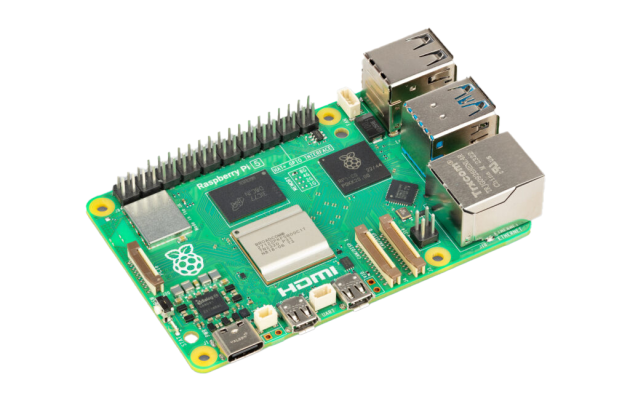
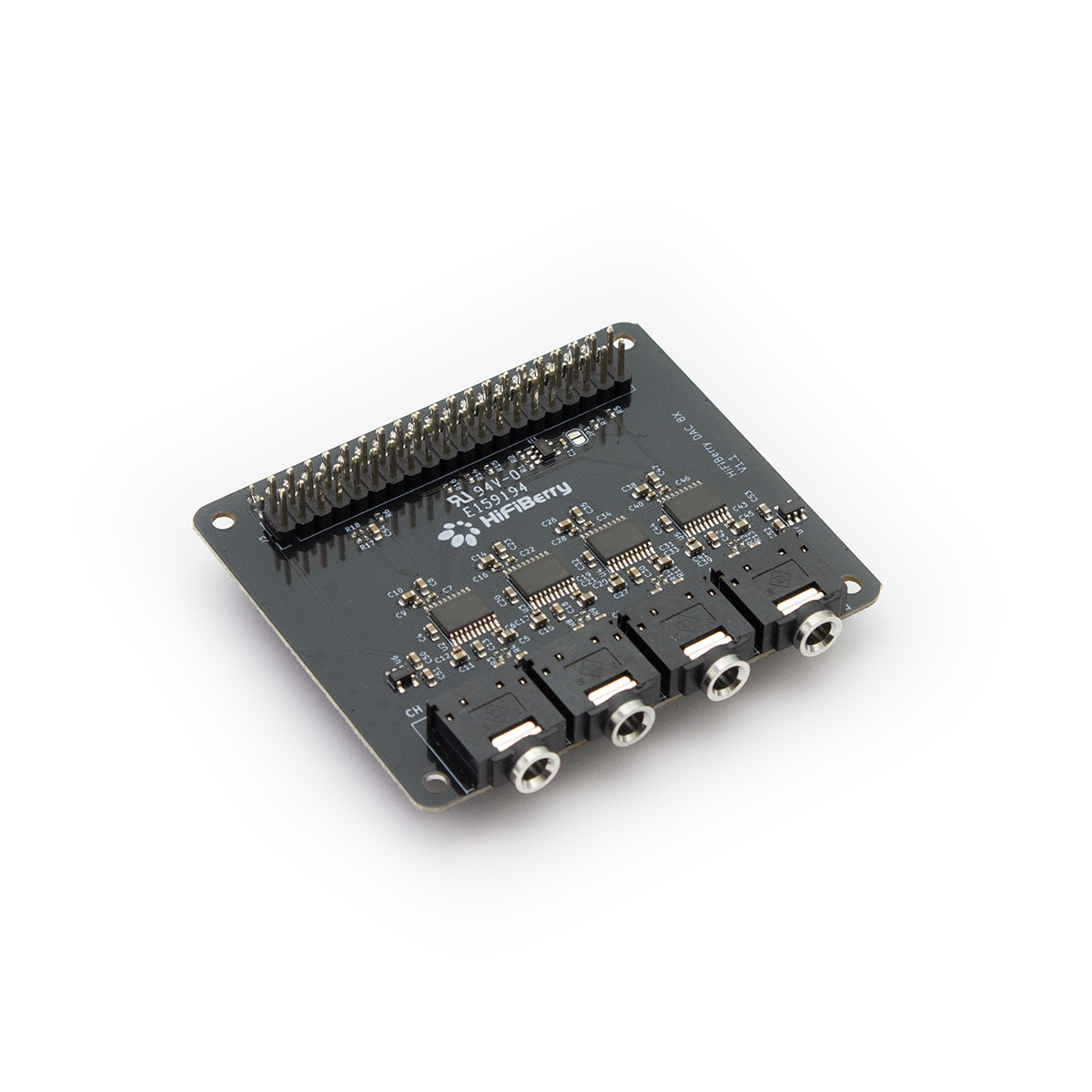
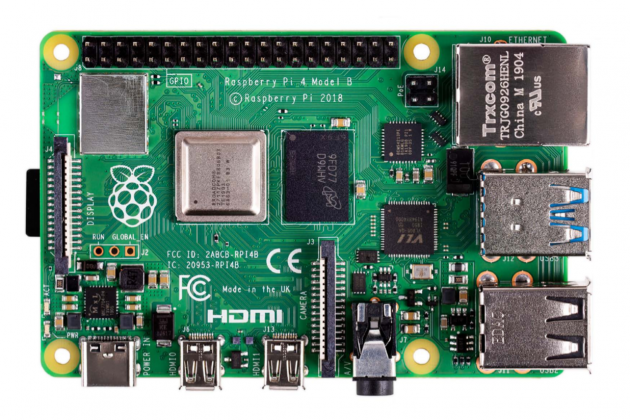
We tend to think of multi-zone audio as a human comfort feature — different music in the kitchen than the living room, a quieter program in the bedroom. AgriSounds, a Belgian AgriTech startup, builds multi-zone audio systems for livestock barns instead: different sound, tuned to different animal groups and their daily rhythm, to support animal wellbeing. Each installation runs on a Raspberry Pi 5 and a HiFiBerry DAC8x, driving a professional 100V speaker system across the building. Here’s how it works.
An Idea From the Barn, Not the Lab
AgriSounds started the way a lot of good ideas do: with someone noticing something in their own work. Piet Paesmans, a pig farmer for 34 years, started experimenting with playing music in his barn over a decade ago — and noticed his animals behaved differently. His son, Toon Paesmans, went looking for why, and eventually built a company around the answer.
Today AgriSounds is in a pilot phase, backed by innovation funding from VLAIO (the Flemish government’s innovation agency), with behavior studies running alongside research institutions including ILVO, PVL, and KU Leuven.
Why Zoned Audio, Not Just “Play Something”
A barn is a loud, repetitive, understimulating environment, and the resulting stress on the animals is a real welfare problem — it shows up as weaker immune response, behavioral issues, and worse outcomes generally. The instinct to fix that with sound isn’t new; plenty of barns already have a radio playing somewhere. AgriSounds’ approach is closer to how you’d think about audio zoning in a building full of people with different needs in different rooms, just applied to animals instead:
- Different schedules for different zones. Different animal groups — separated by age and stage — don’t get the same program; each zone is tuned to that group’s rhythm.
- Deliberate use of silence. Programs run in blocks with pauses rather than looping continuously, specifically to avoid habituation.
- Tempo and instrumentation, not genre. The system isn’t picking “relaxing music” in a vague human sense — it’s using slow, consonant passages to encourage rest and faster, more active passages during waking periods, based on observed behavioral response rather than human listening preference.
It’s the same underlying idea as any good multiroom install: the right content, in the right zone, at the right time — just with a very different listener in mind.
The Hardware Behind It
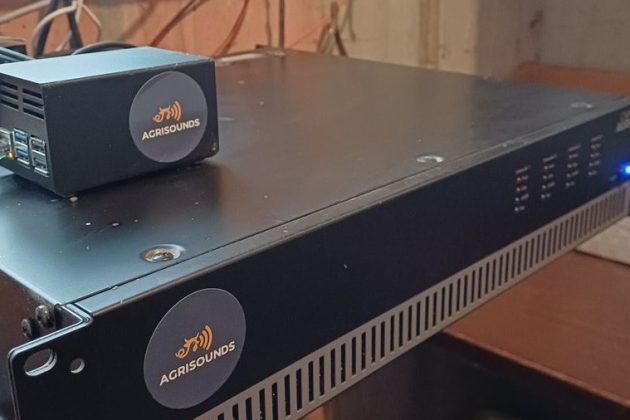
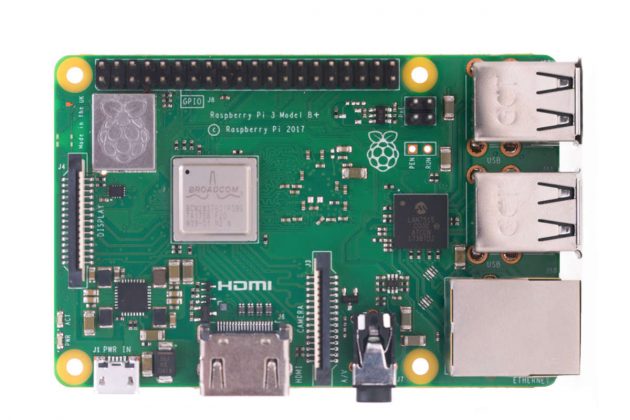
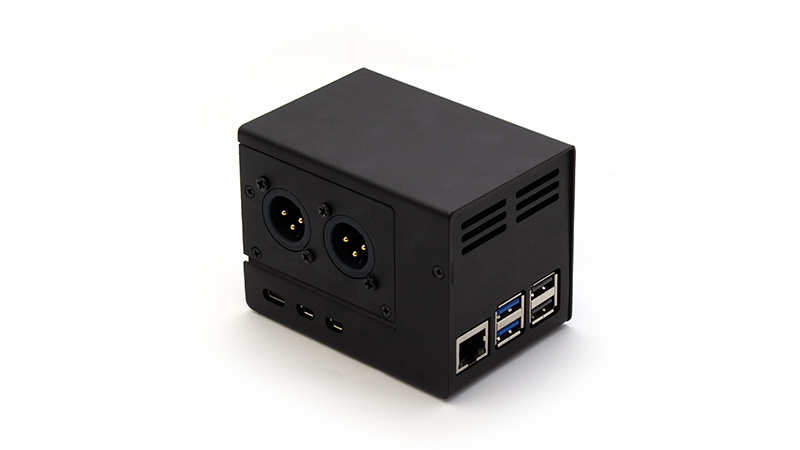
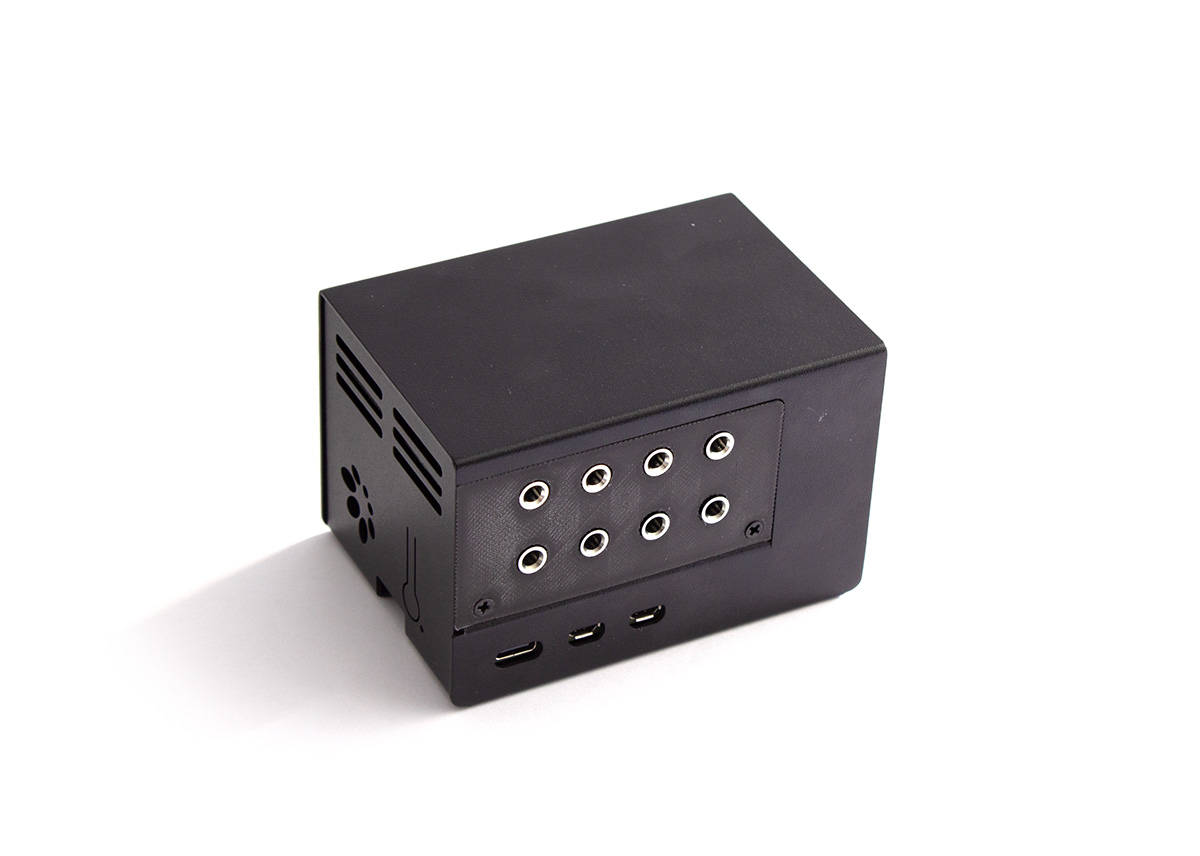
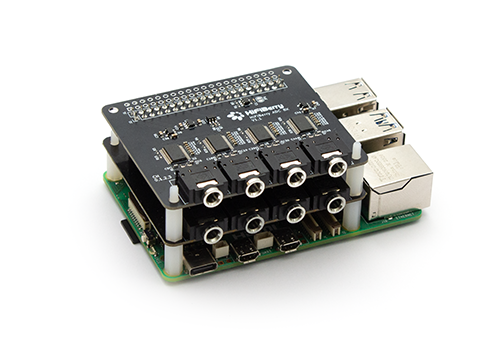
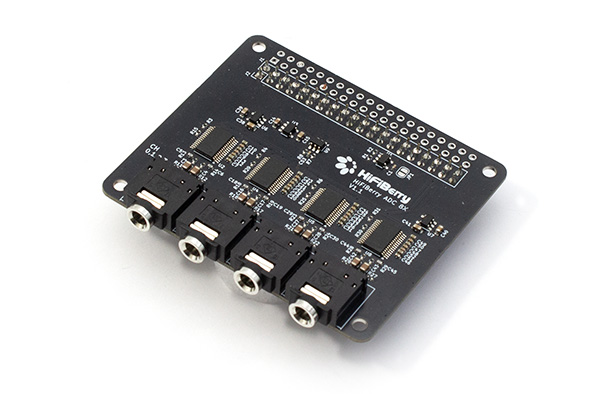
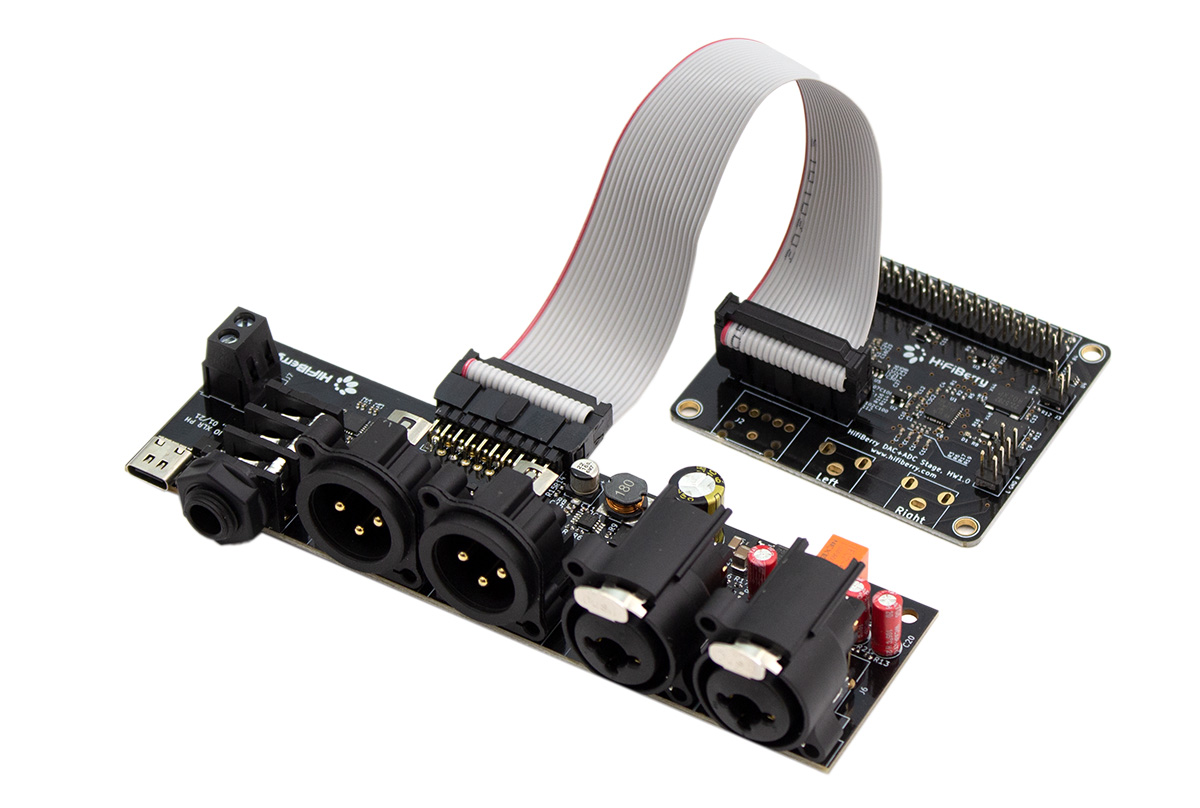
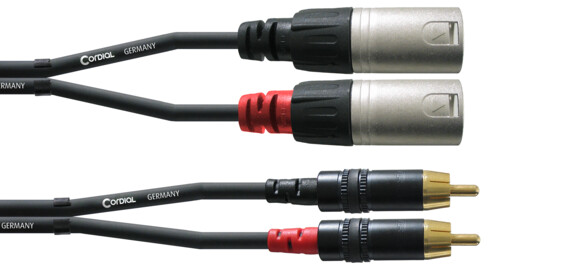
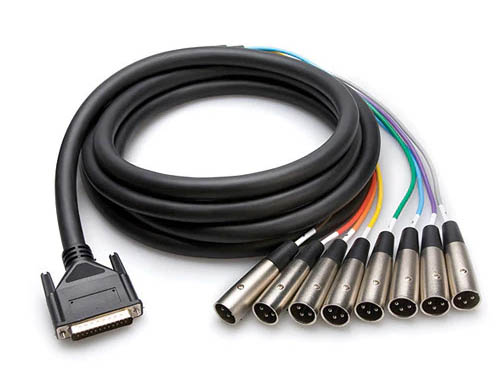
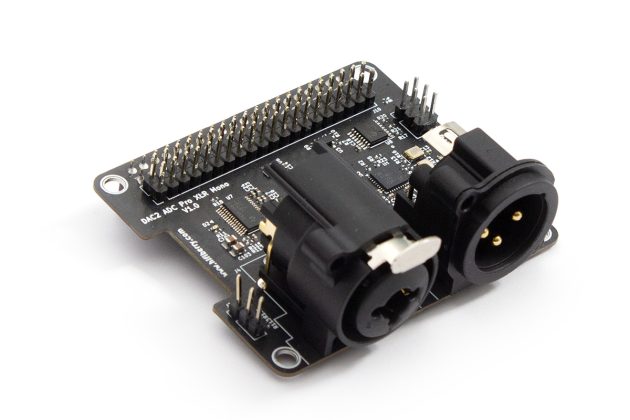
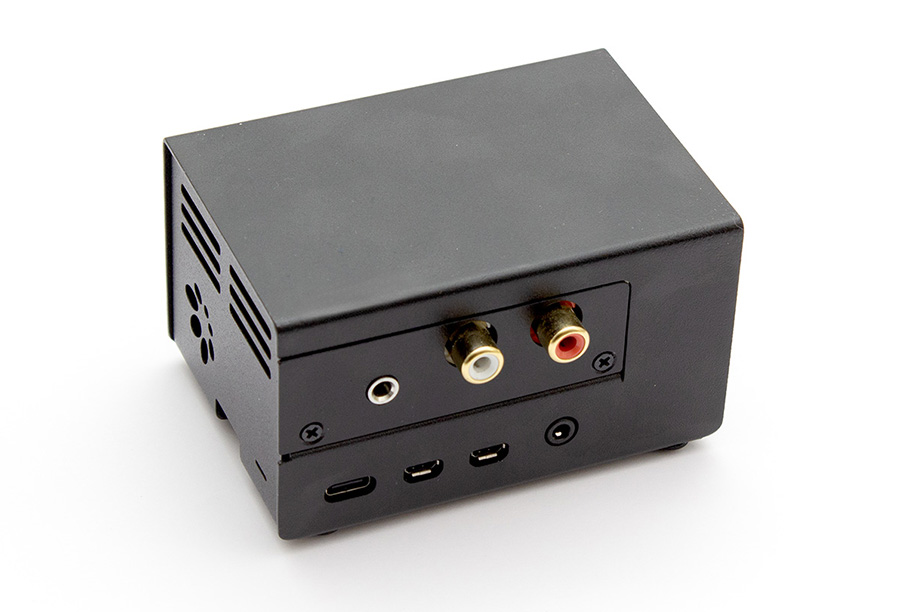
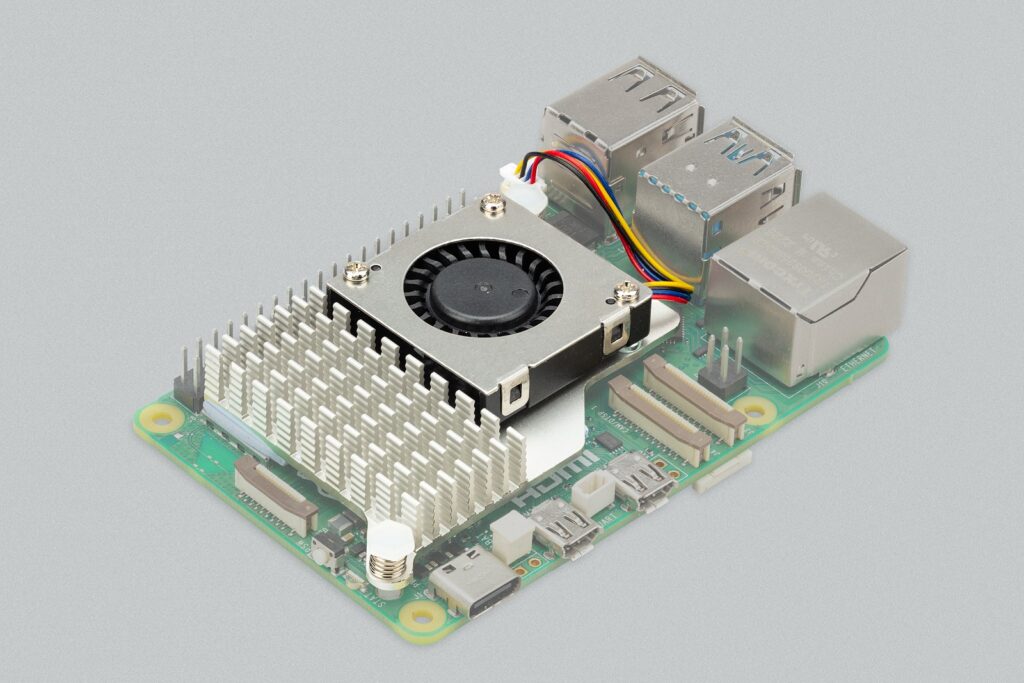
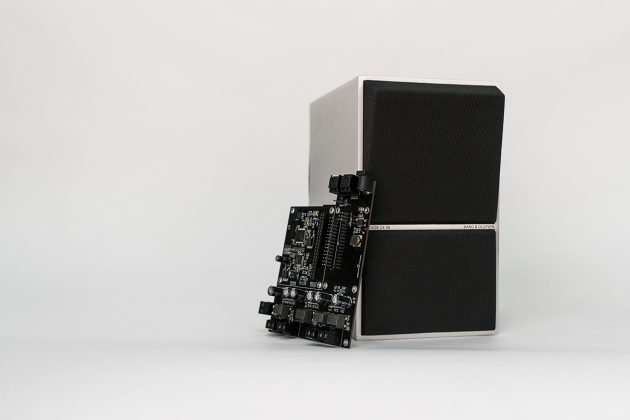
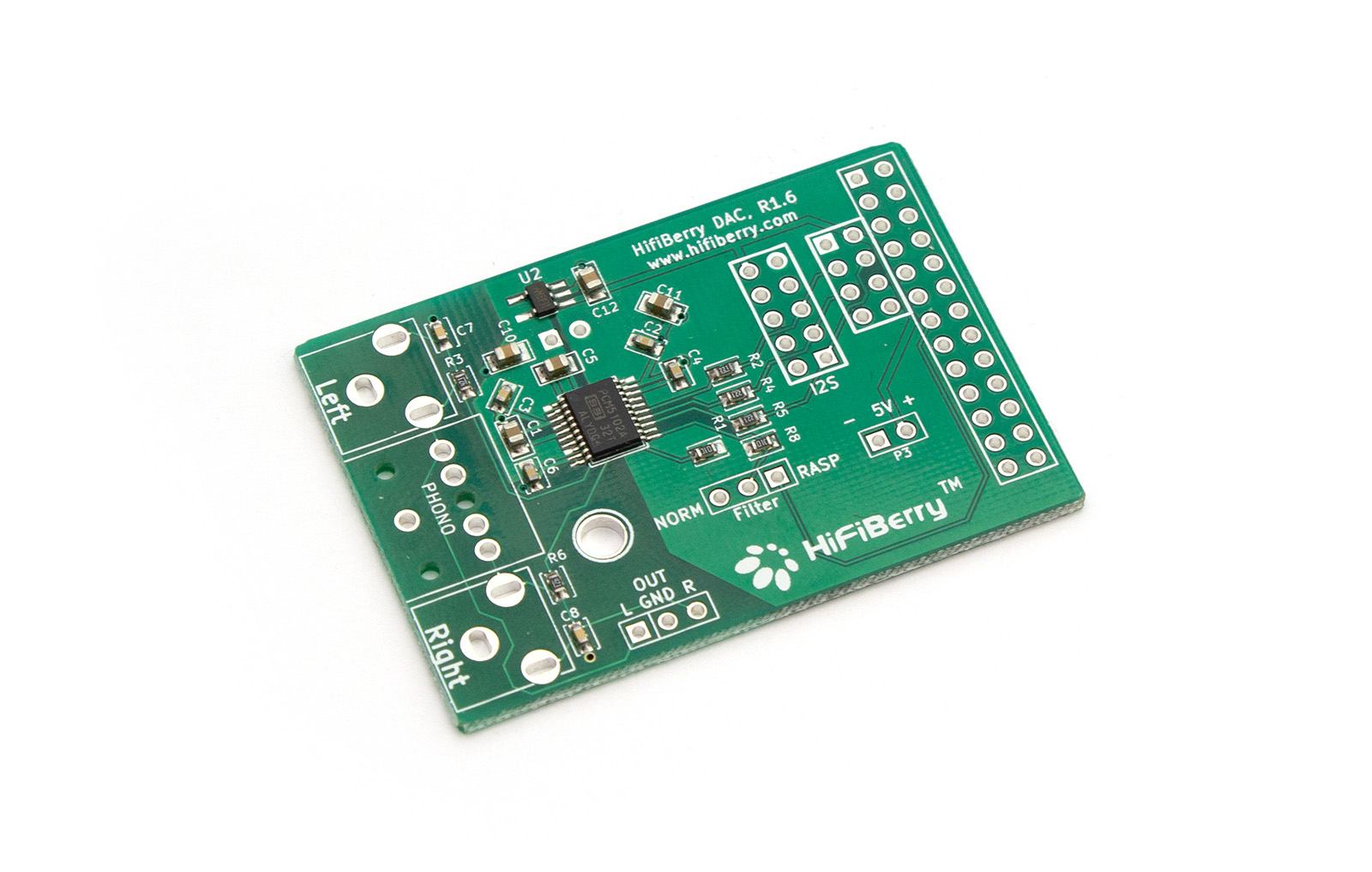
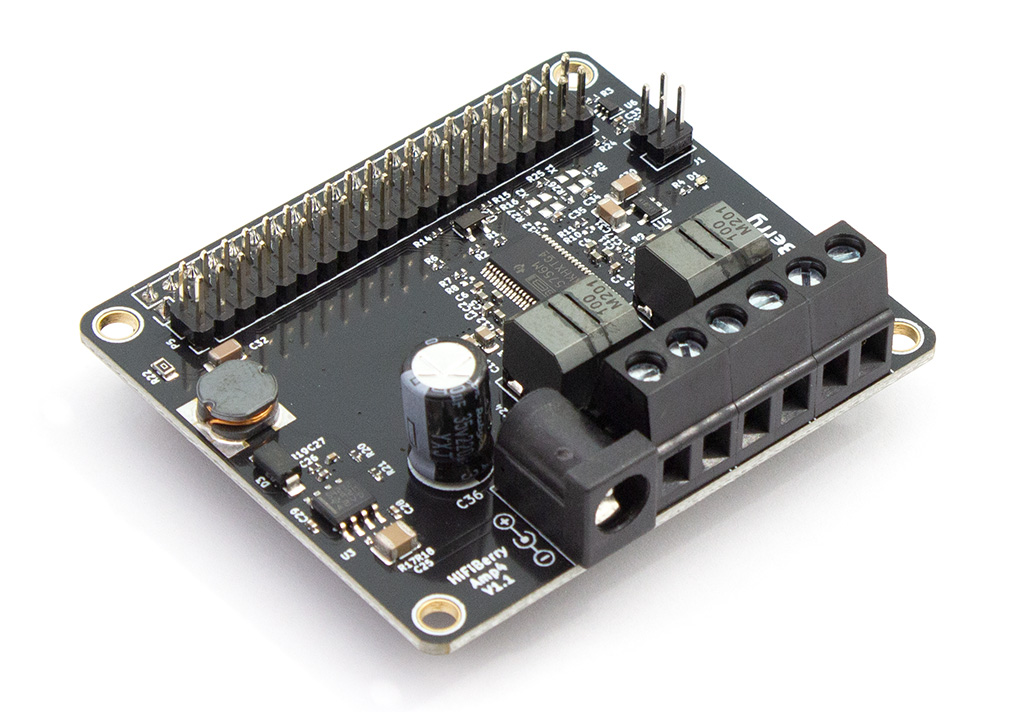
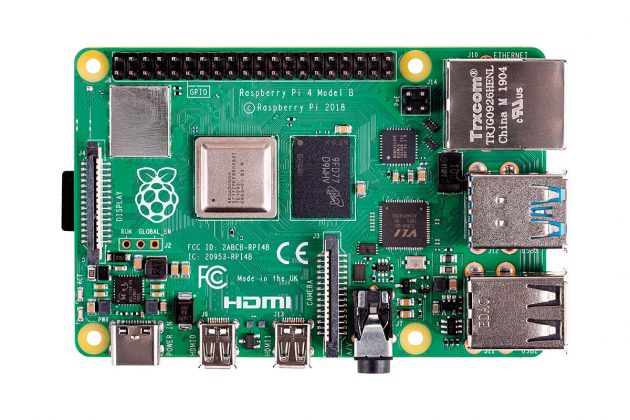
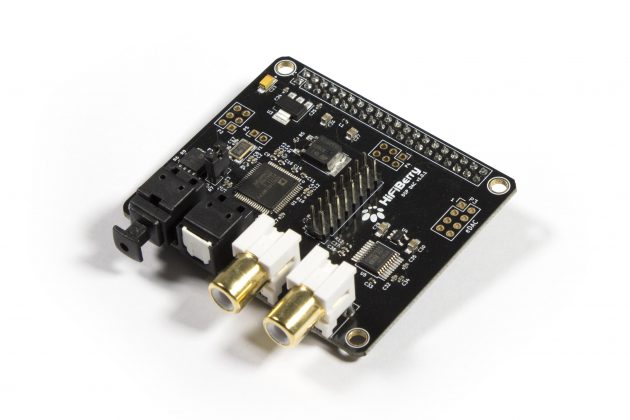
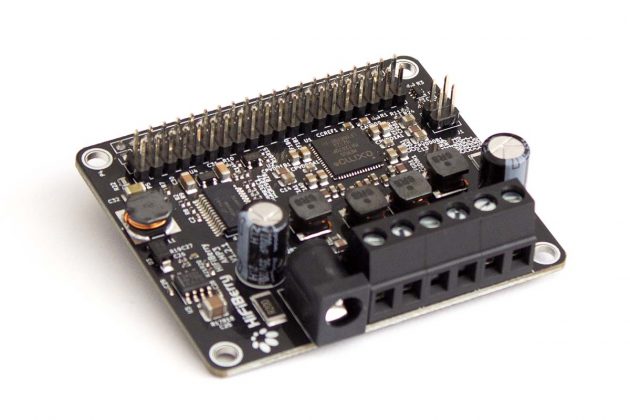
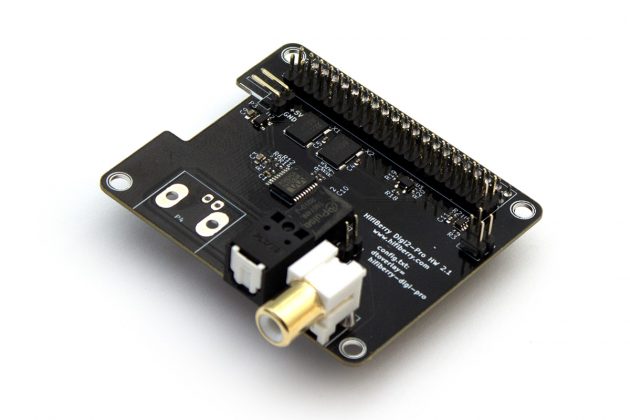
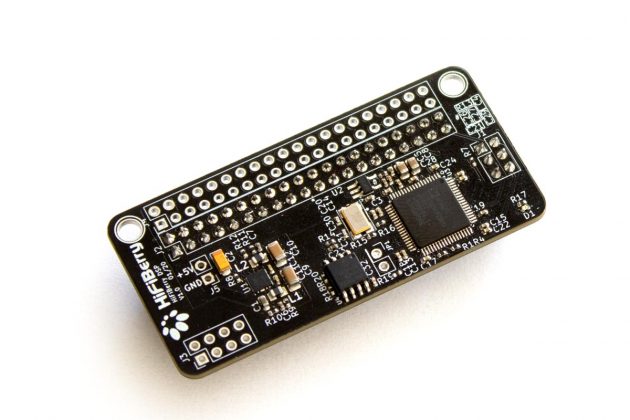
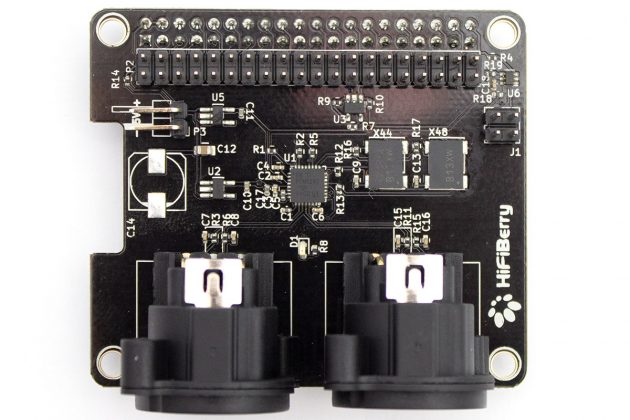
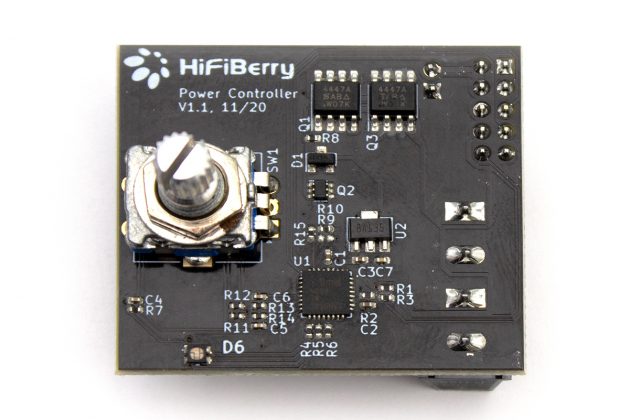
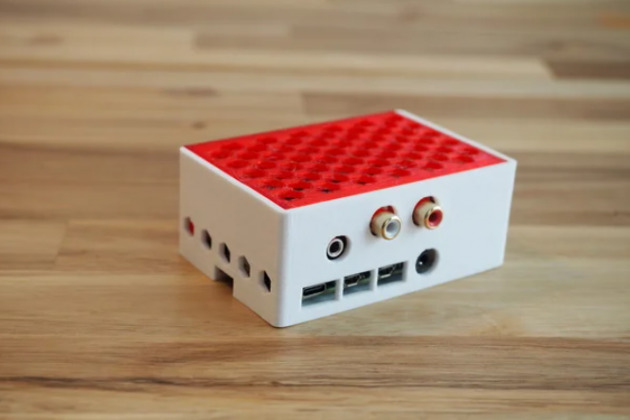
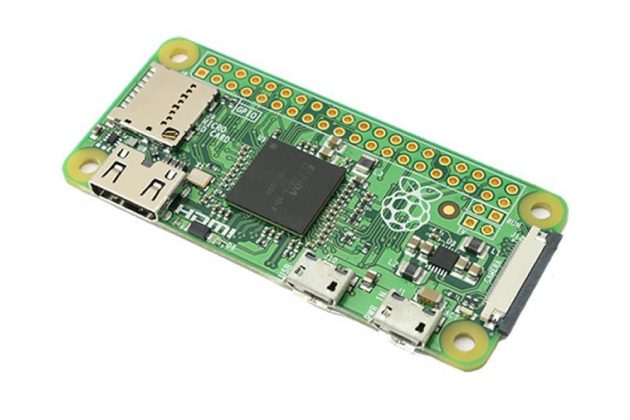
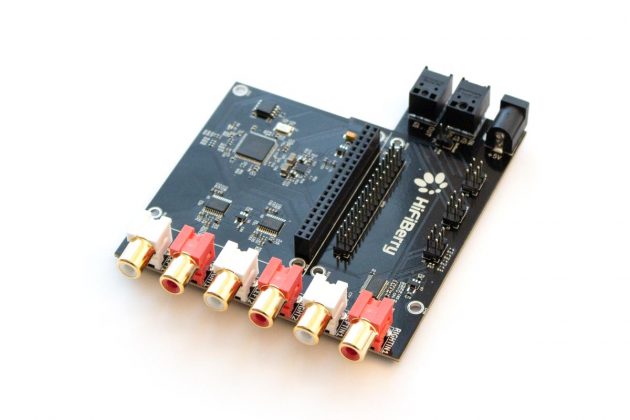
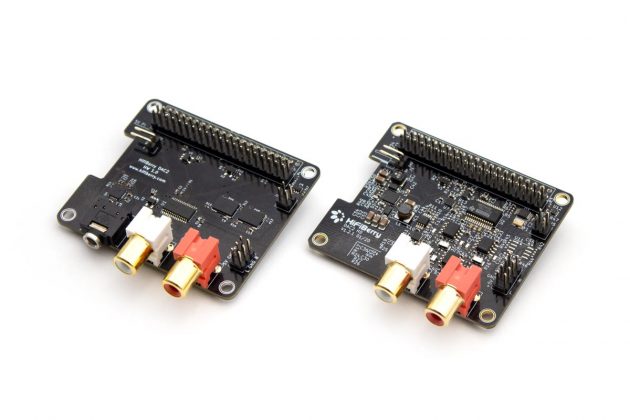
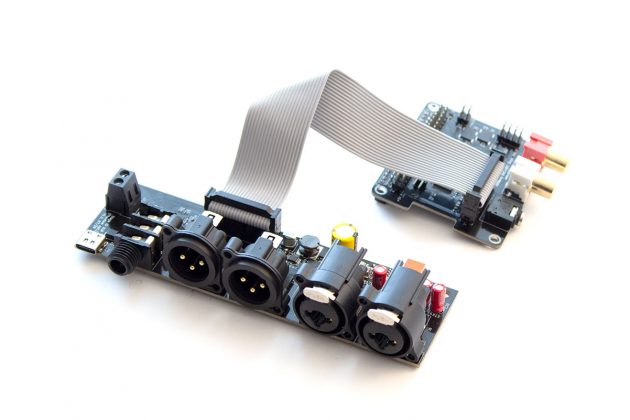
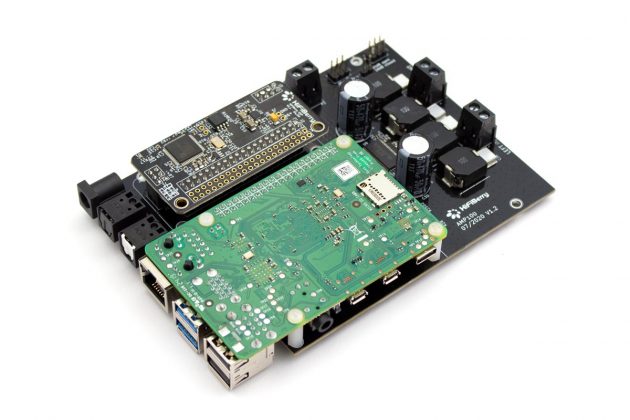
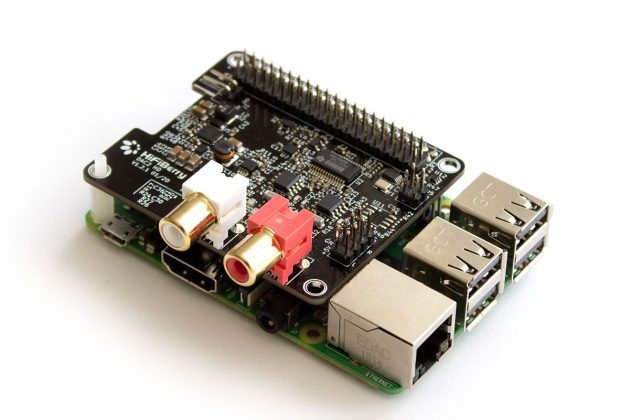
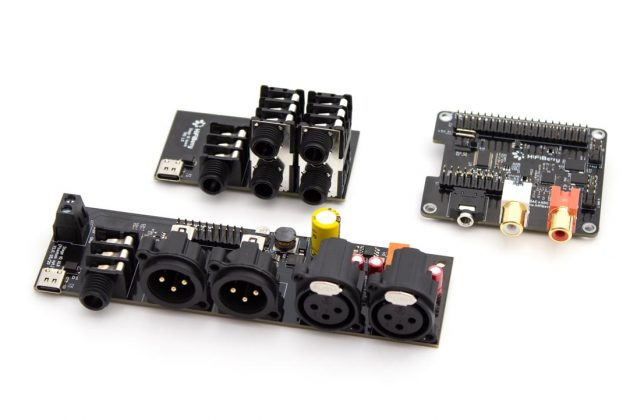
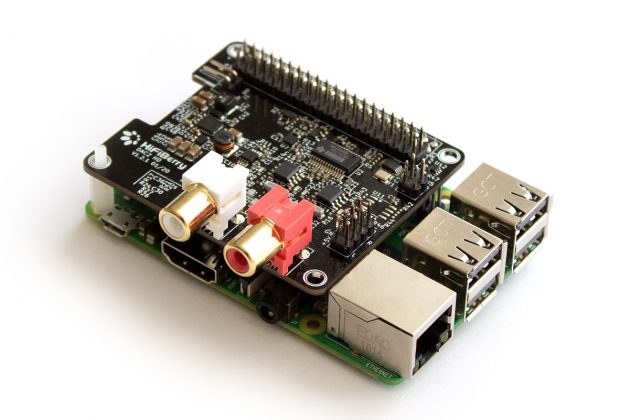
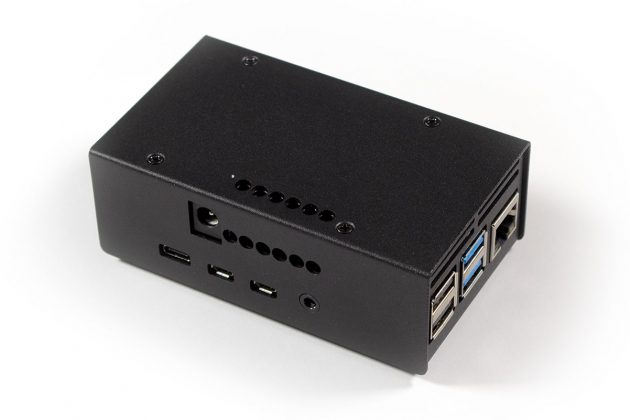
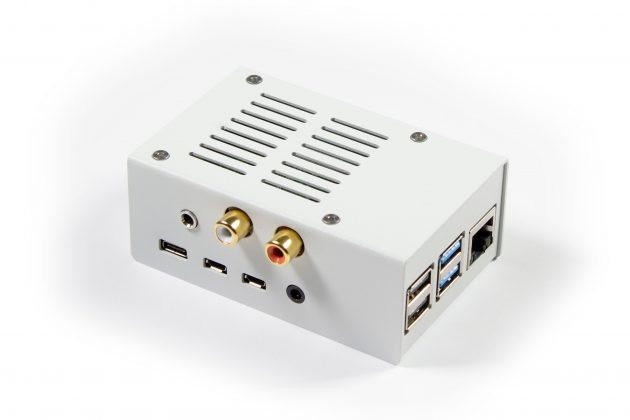
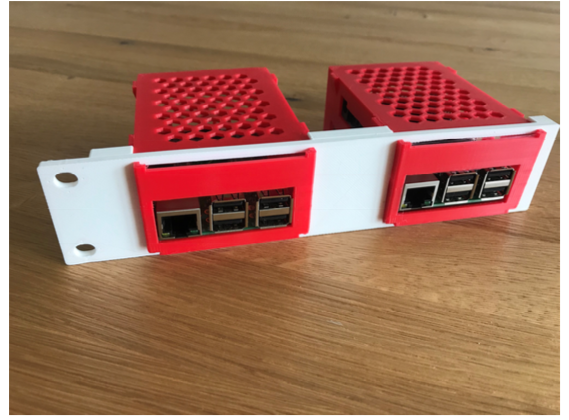
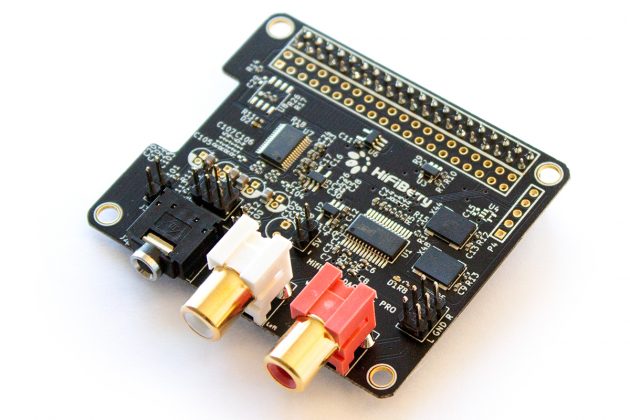
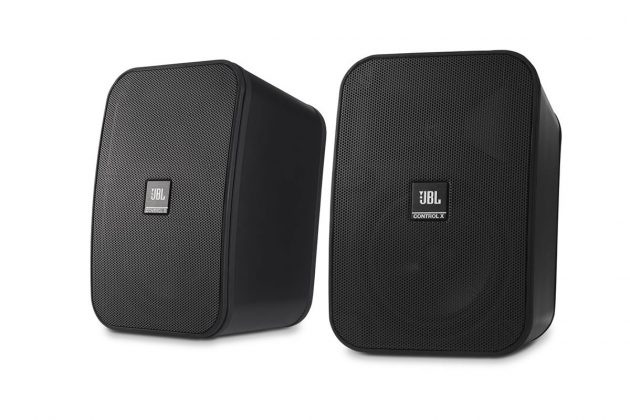
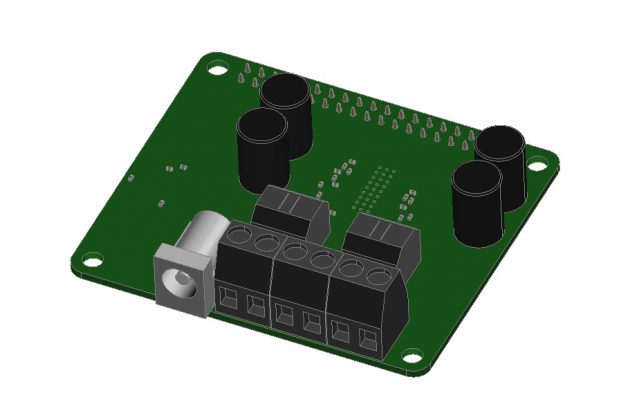
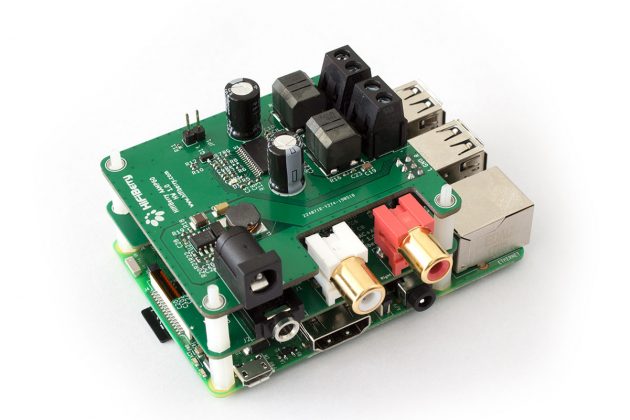
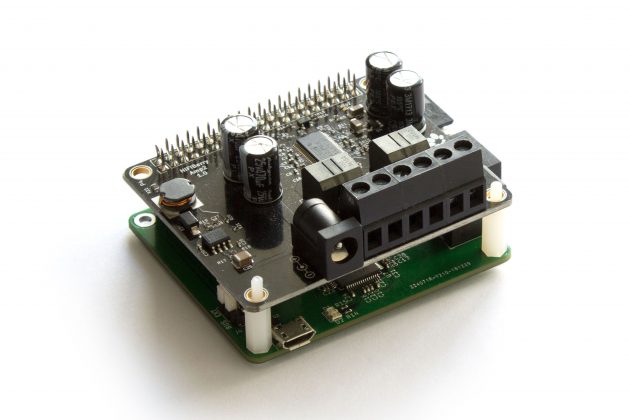
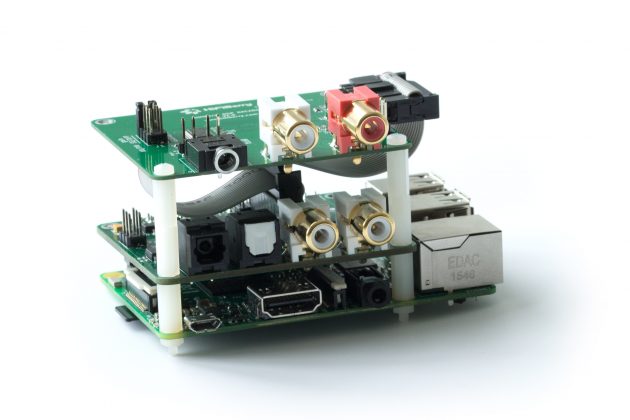
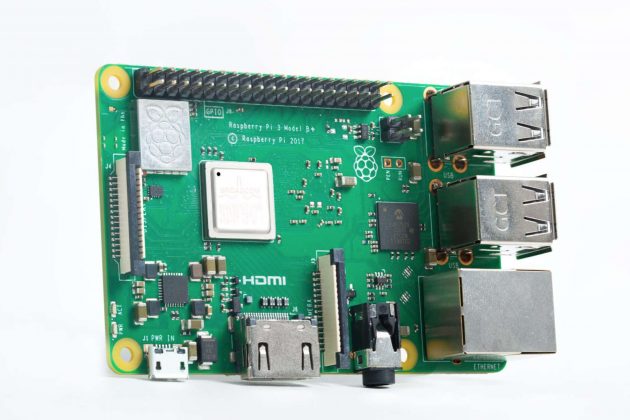
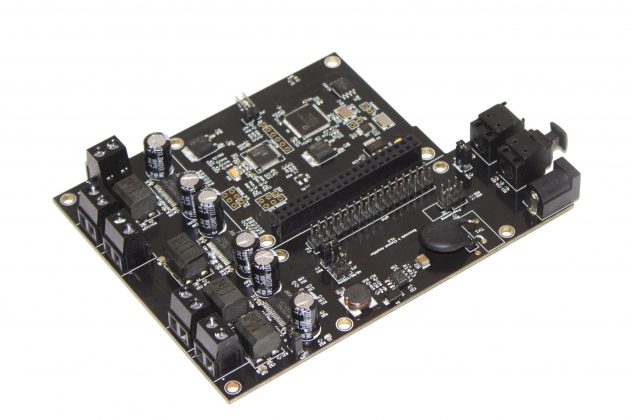
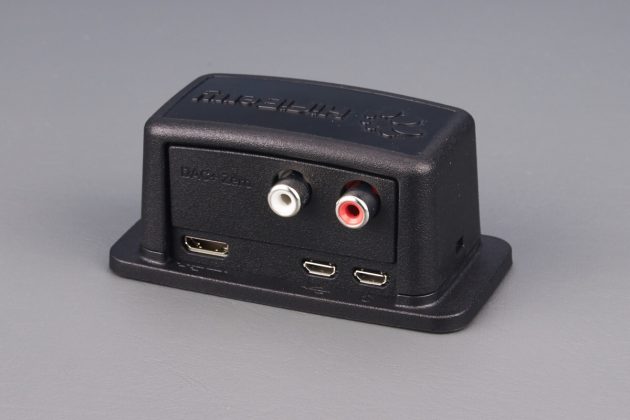
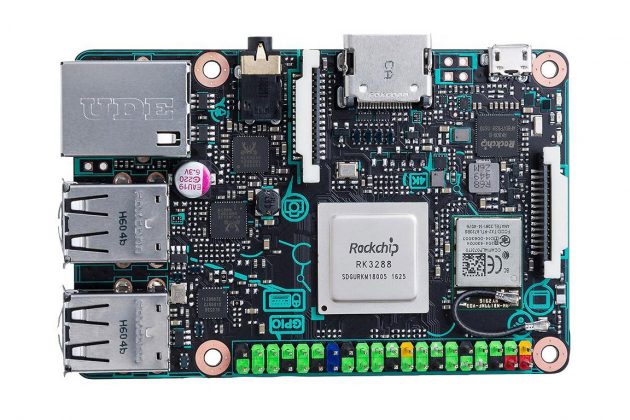
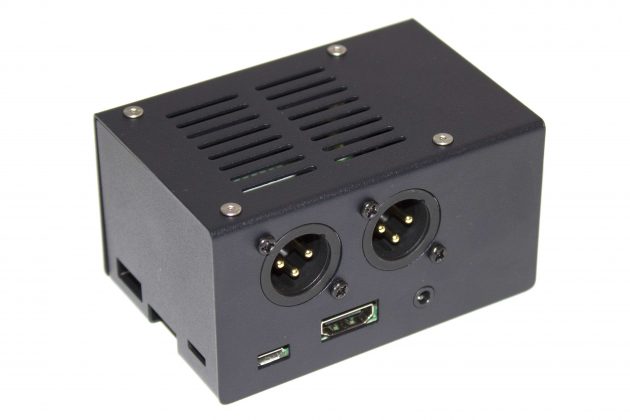
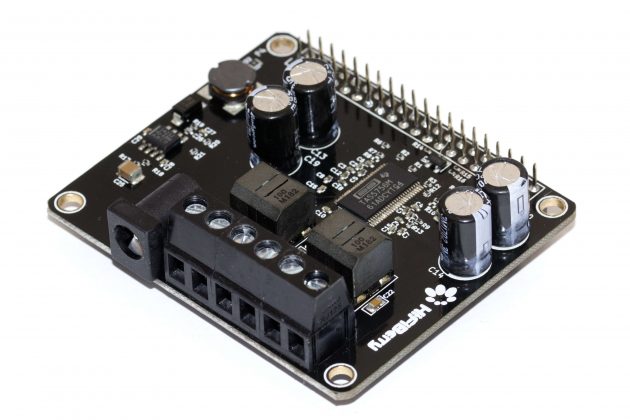
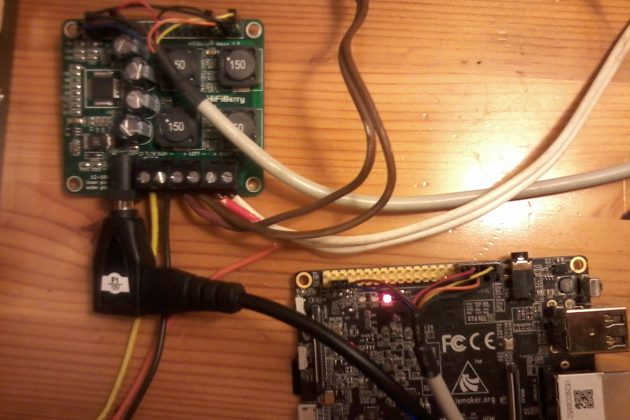
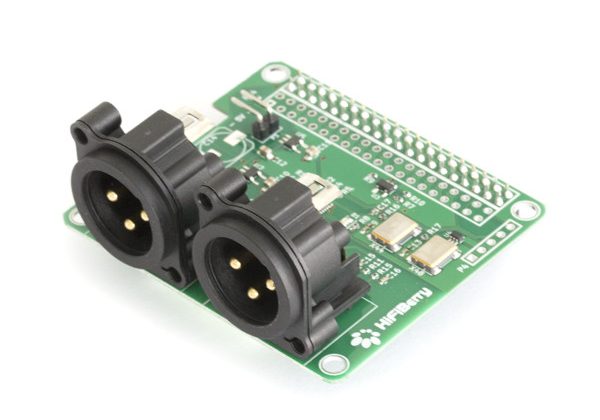
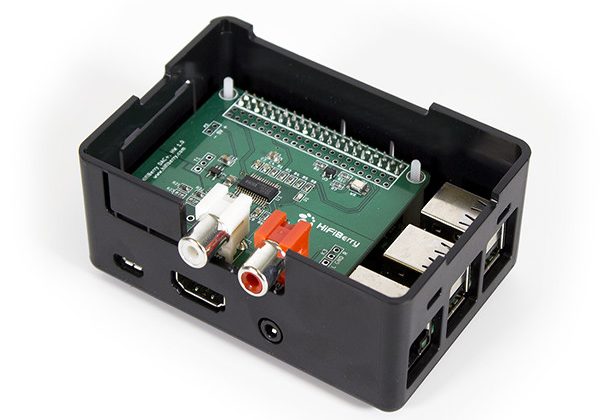
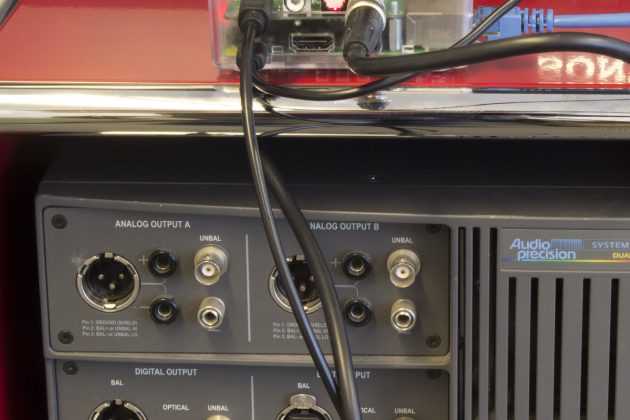
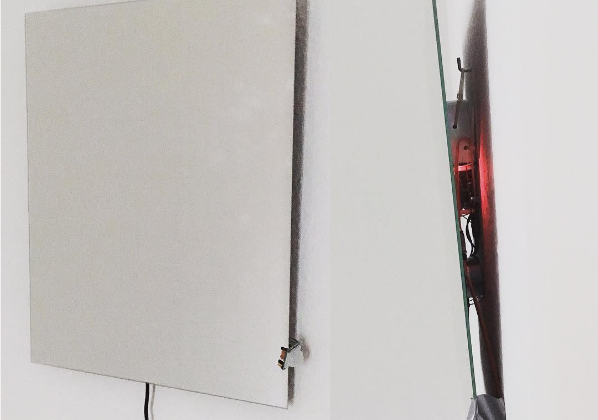
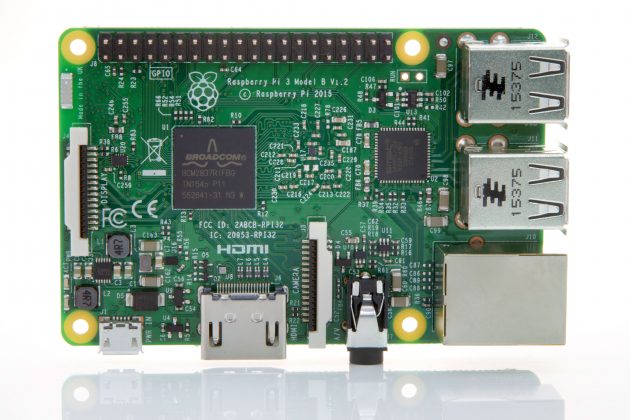
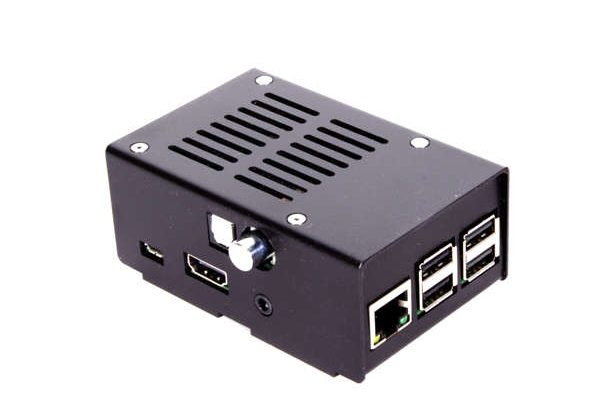
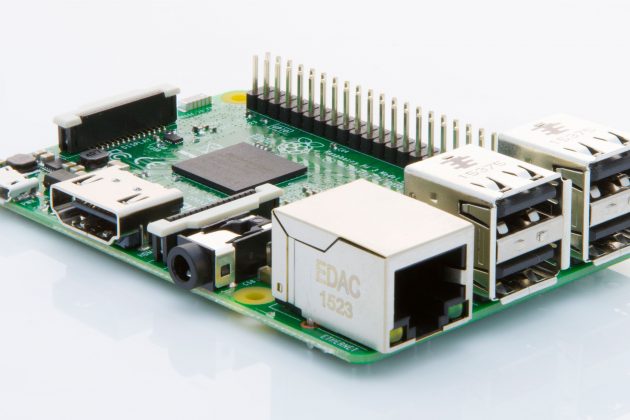
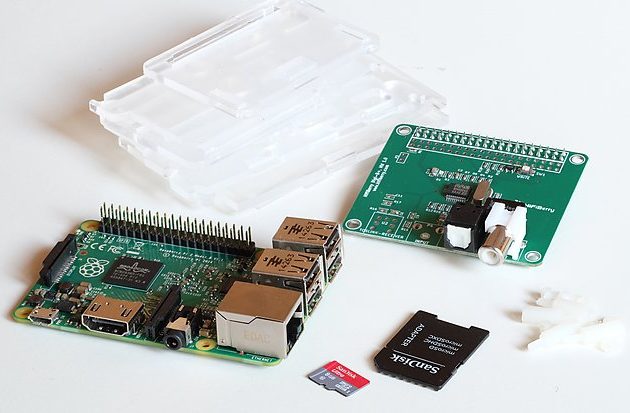
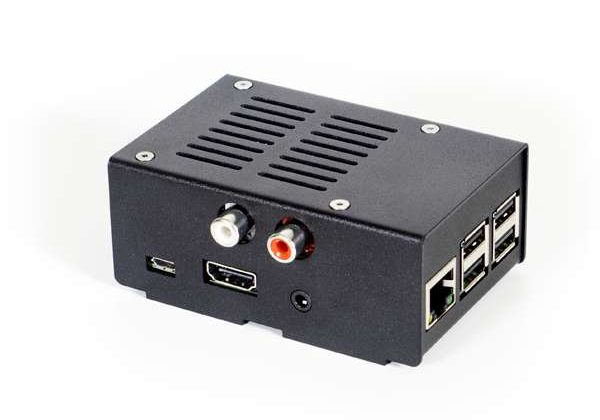
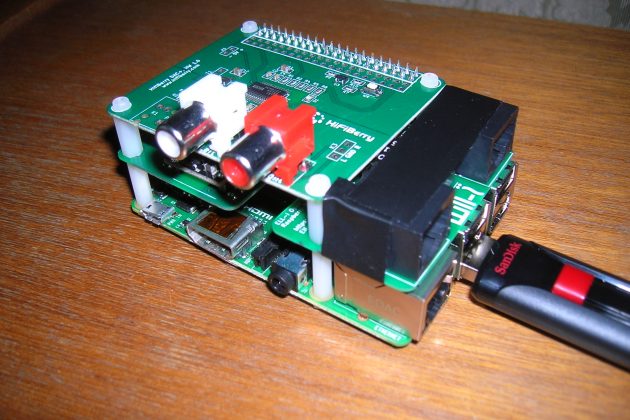
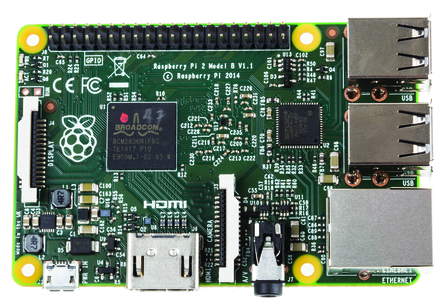
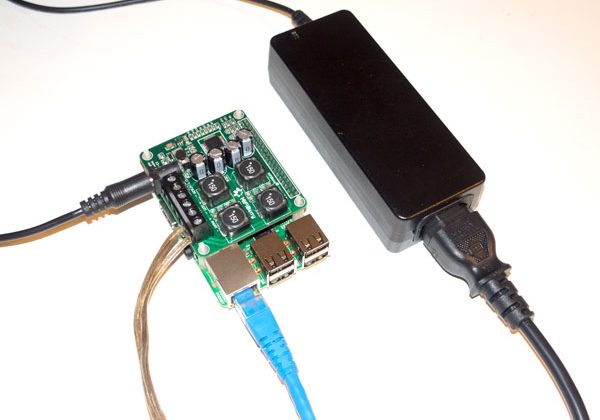
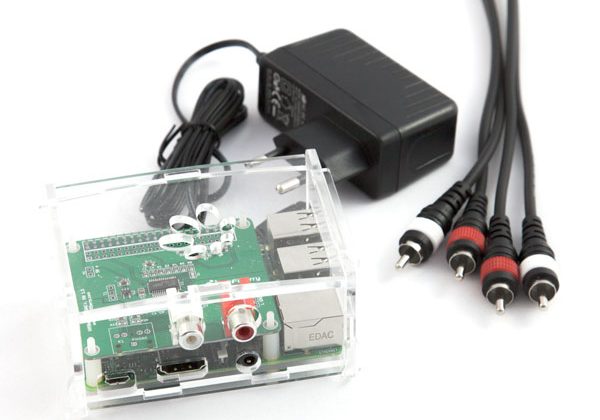
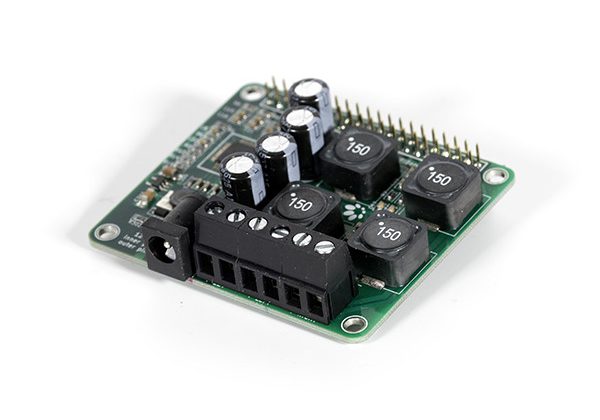
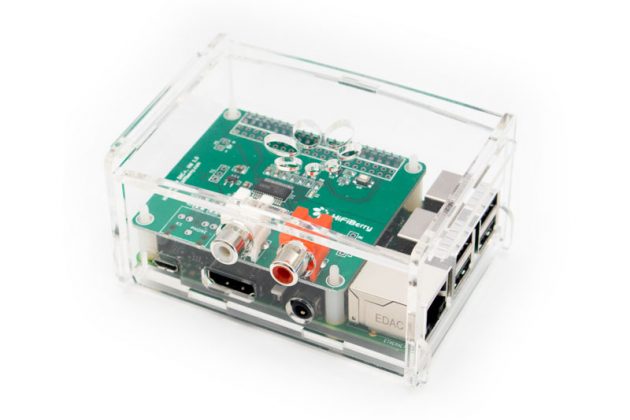
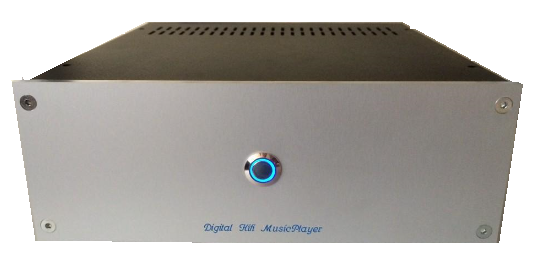
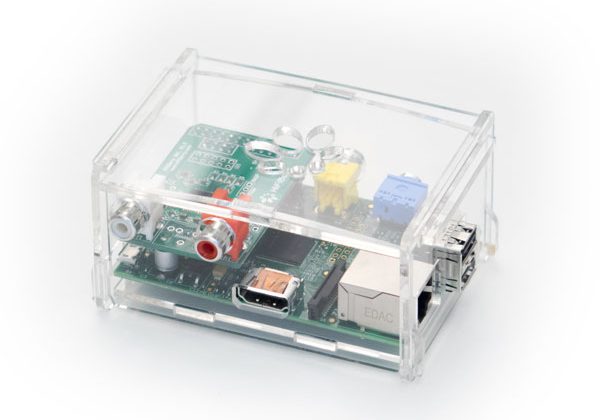
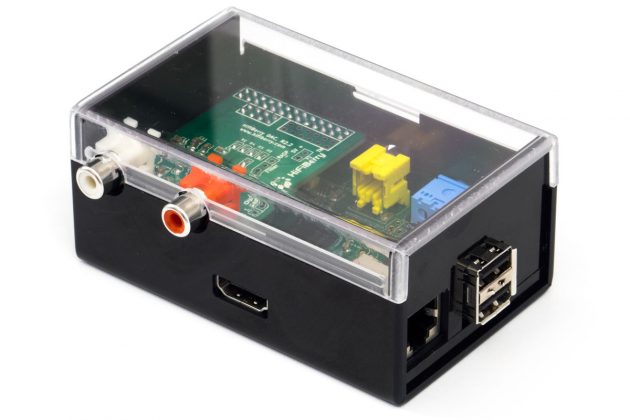
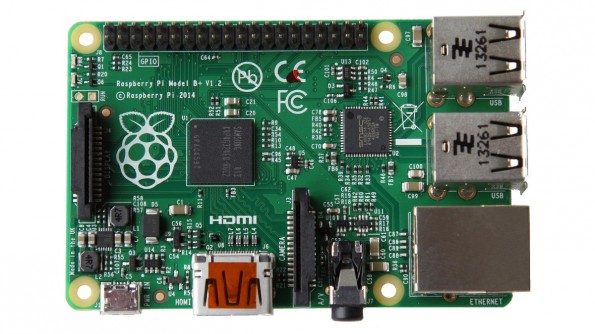
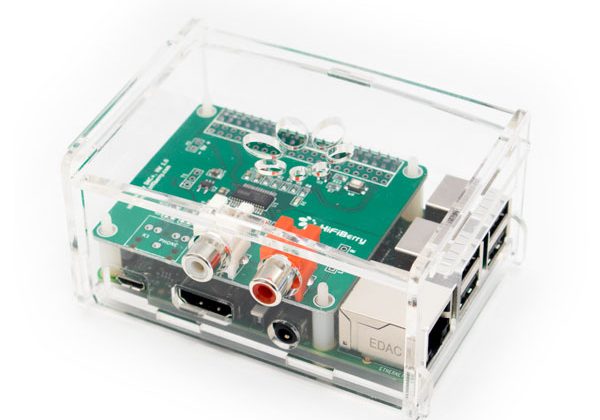
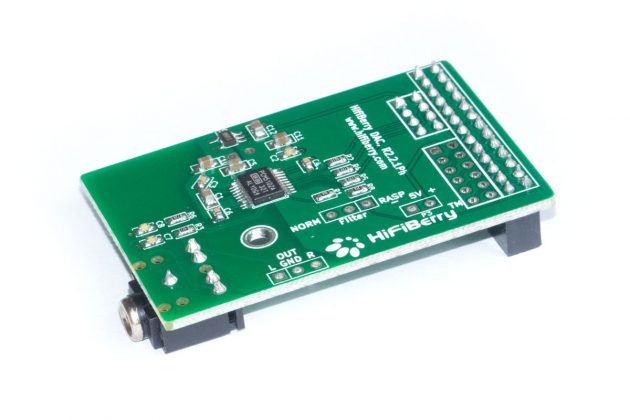
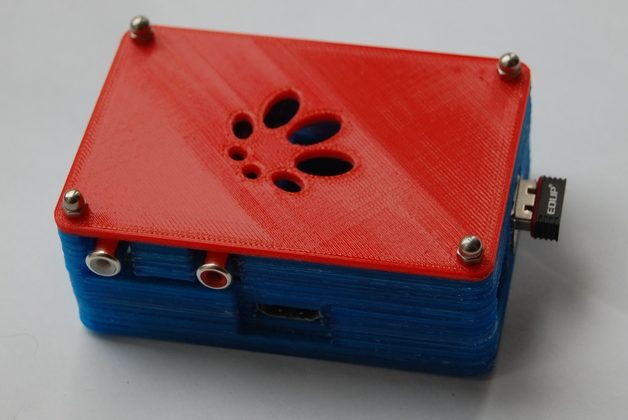
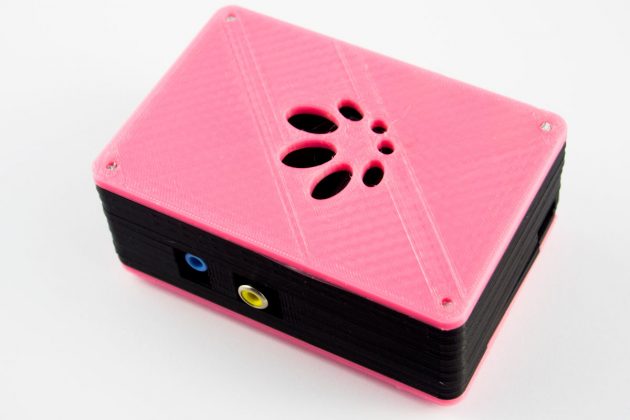
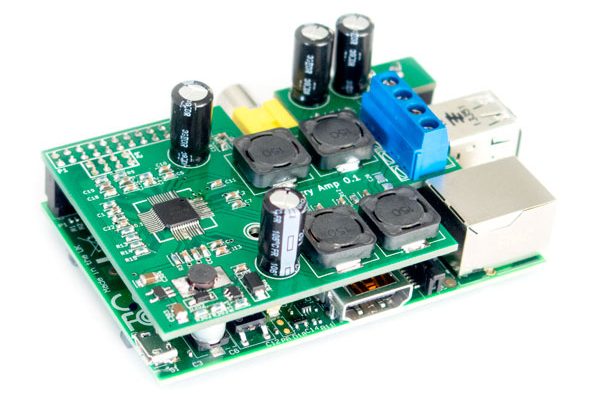
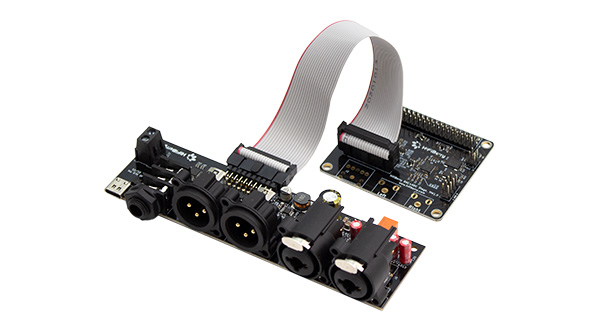
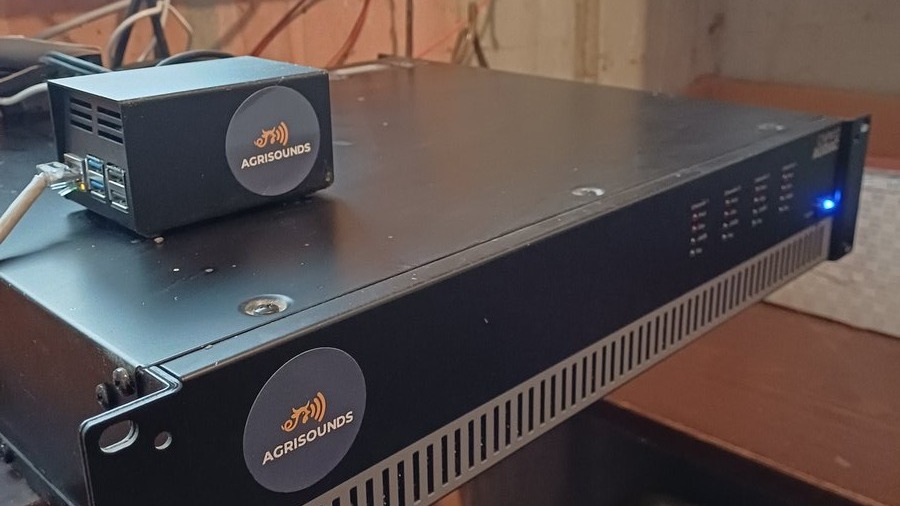
Each AgriSounds controller is a Raspberry Pi 5 paired with a HiFiBerry DAC8x, built into a wall-mounted enclosure and installed in the building’s technical room. The DAC8x’s 8 balanced outputs feed a 100V-line amplifier setup — the same distribution technology used in large public buildings — which lets a single controller drive speakers across multiple zones over long cable runs without meaningful signal loss, and without one failed speaker taking the rest of the line down with it.
The whole system runs autonomously on locally stored schedules — no internet connection required on site, though AgriSounds can monitor and push schedule updates remotely when a connection is available. For a setup that needs to just keep working, day after day, in a farm’s technical room, that reliability matters more than any single feature.
Early Results
AgriSounds has been running controlled trials at the Paesmans’ own farm in Wijer, with PVL co-designing the trial and analyzing results against an identical control barn without the system — same feed, genetics, and climate, sound as the only variable. AgriSounds’ own internal data from these trials points to better growth and better overall animal health. Independent research from their academic partners points to a complementary set of behavioral findings — reduced aggression after regrouping and more play behavior. A patent application covering the underlying system is in progress, and the research collaboration with their academic partners is ongoing — so we’ll leave the detailed numbers to AgriSounds to publish once that work is further along.
Why We’re Sharing This
We built the DAC8x for serious multi-channel audio — studio monitoring, installed sound, distributed playback. AgriSounds is a good reminder that “multiroom” doesn’t have to mean a house: it’s eight independent, reliable outputs, running unattended, serving zones that happen to be full of animals instead of people.
If you’re building something with a HiFiBerry board in a use case we wouldn’t have guessed — we’d love to hear about it.
Learn more about AgriSounds at agrisounds.com.
October 15, 2026