Blog
When a Normal Raspberry Pi Isn’t Enough
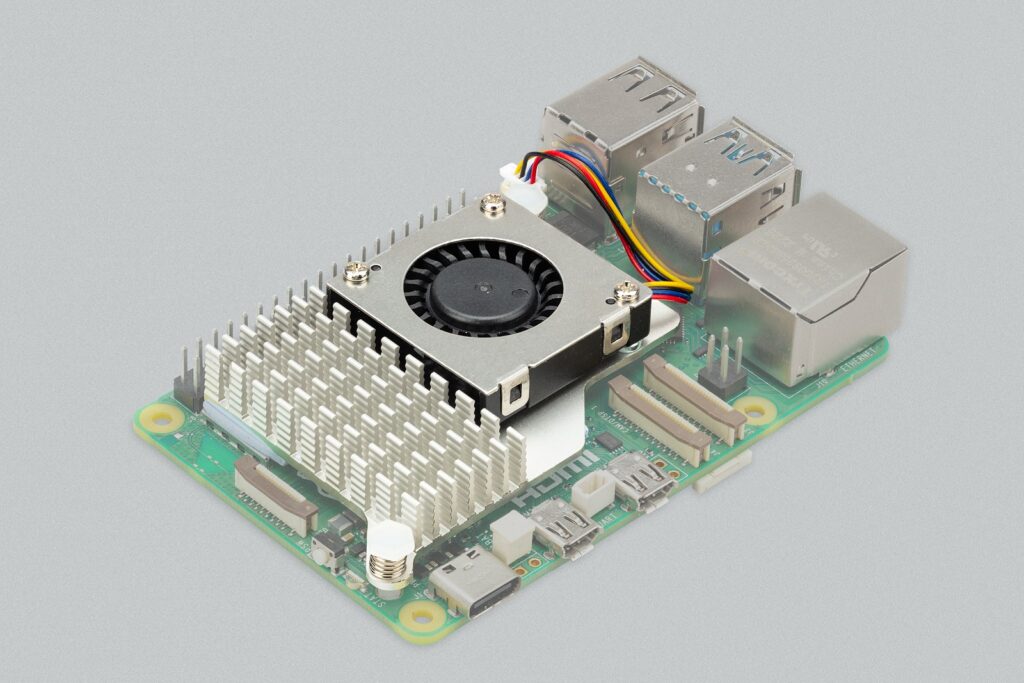
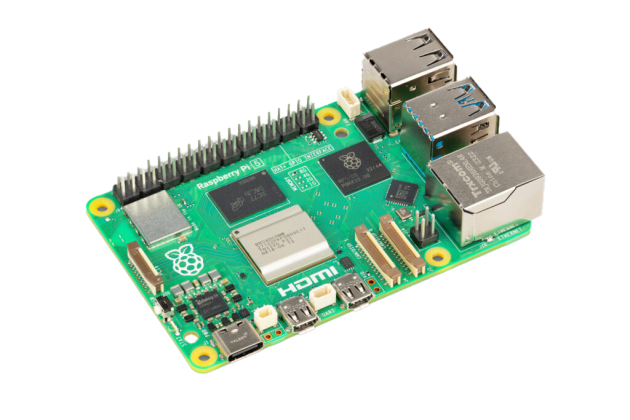
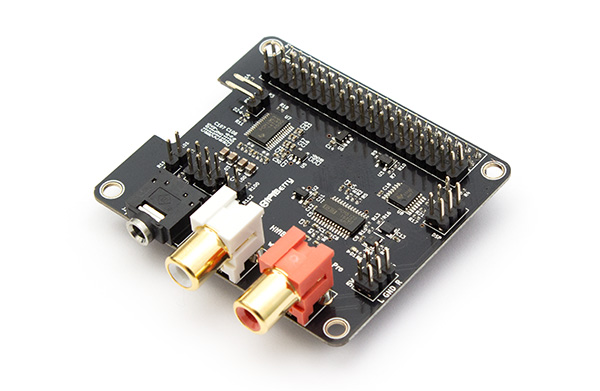
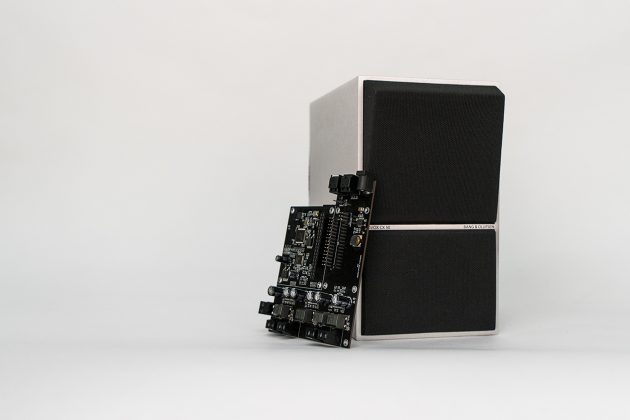
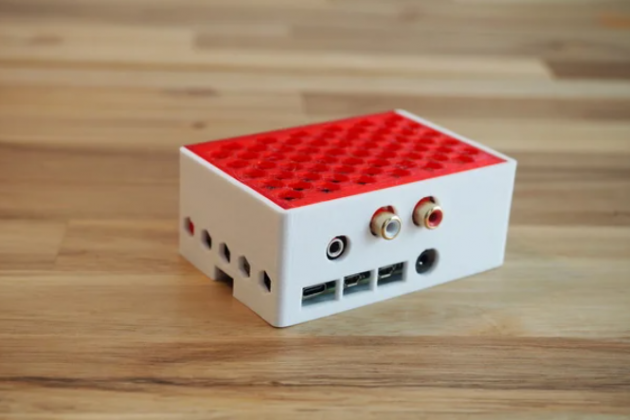
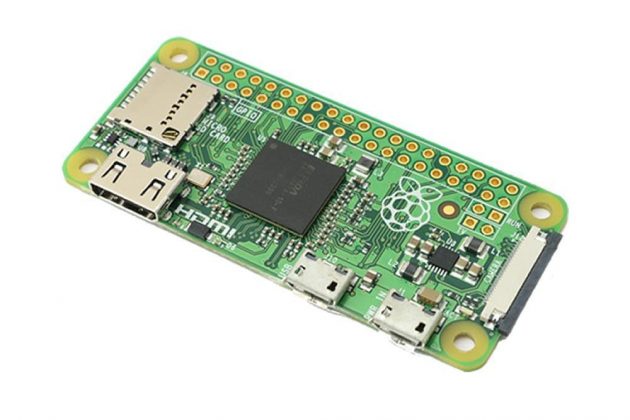
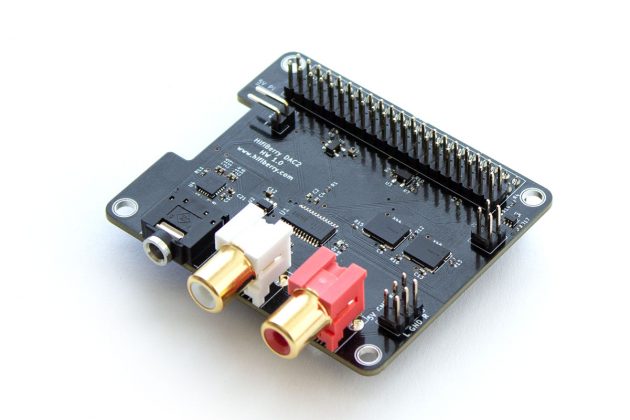
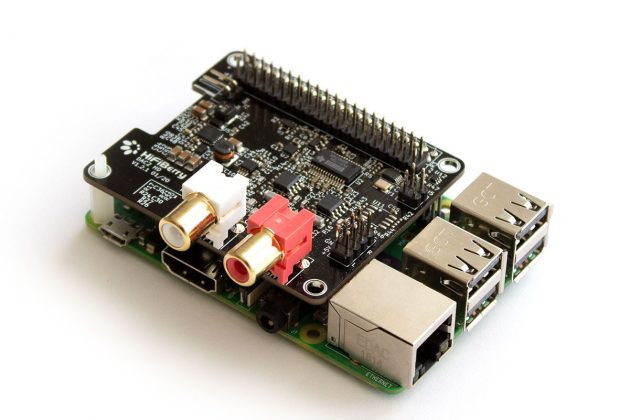
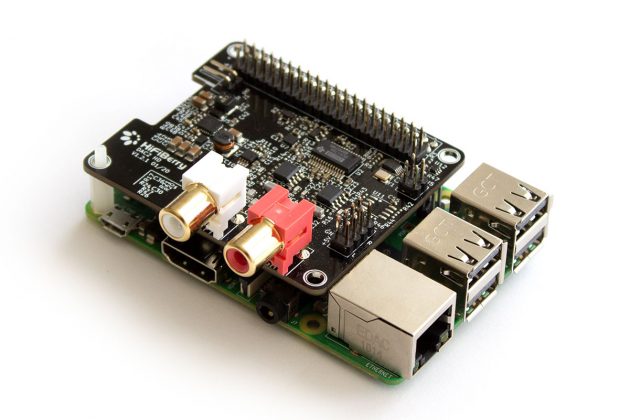
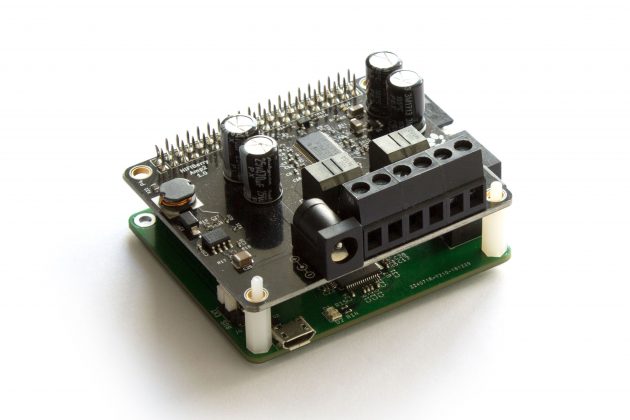
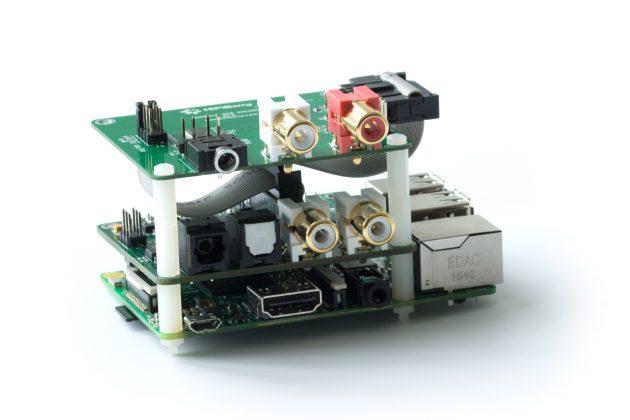
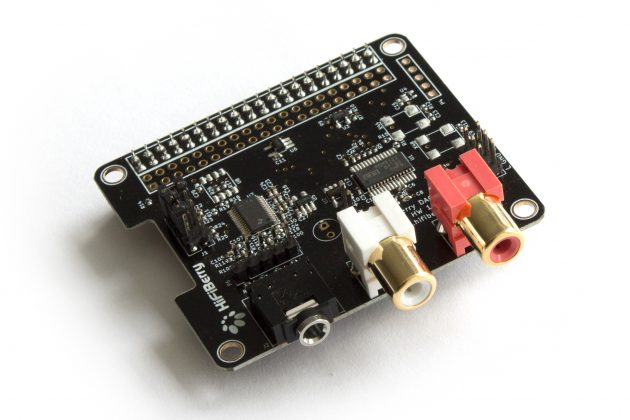
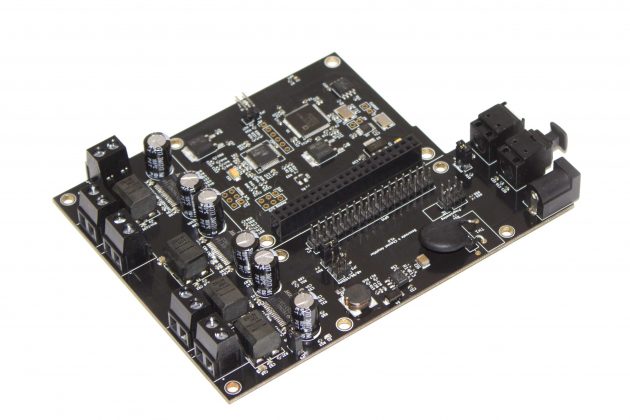
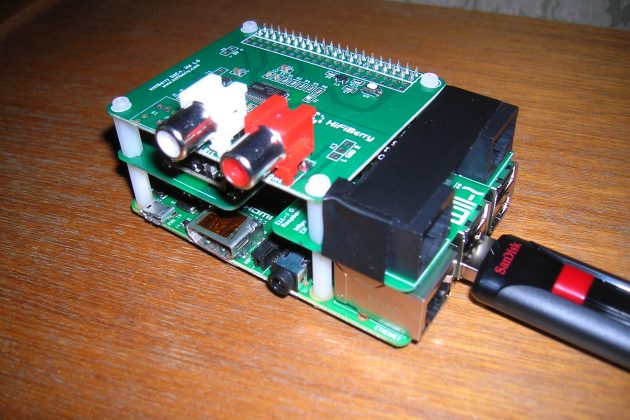
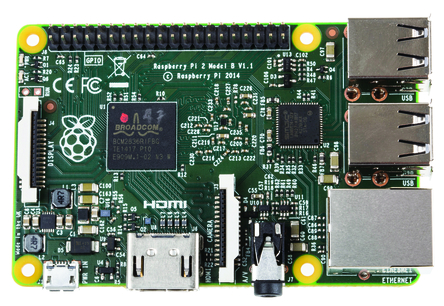
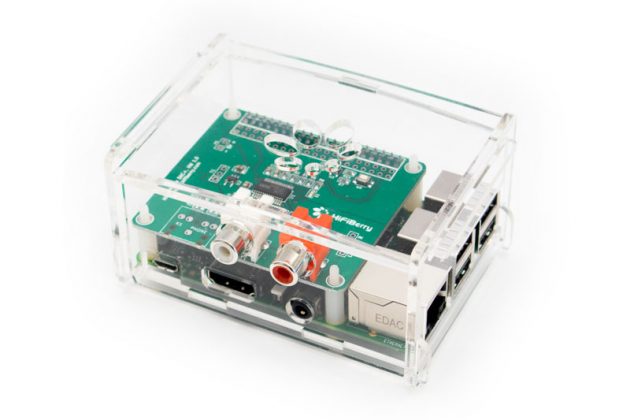
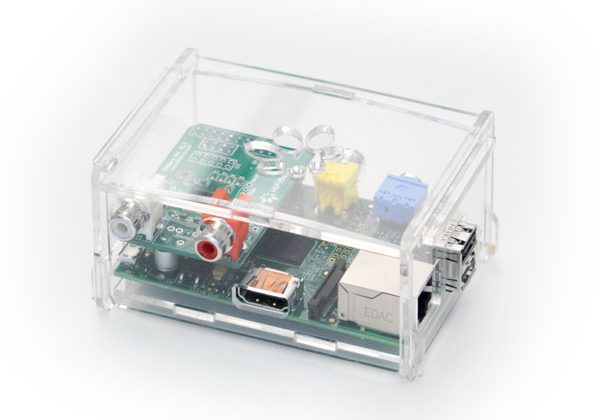
A Raspberry Pi with a HiFiBerry sound card on top is a great way to build a music player. For a hobby project, it’s hard to beat. But once you want to build a product — something you ship to customers, install in hundreds of rooms, or simply want to run for years without touching it — a standard Raspberry Pi starts to show its limits. That’s why we built the HiFiBerry CM5/Play: a one-board music player based on the Raspberry Pi Compute Module 5.
Robustness: Get Rid of the SD Card
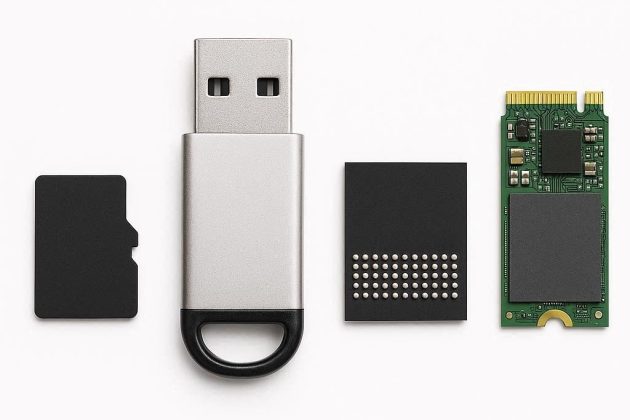
In almost every Raspberry Pi system, the least robust part is the SD card. SD cards weren’t designed for an operating system that writes logs, caches and settings all day long. Sooner or later they wear out, and power cuts during a write don’t help either. When a player stops booting in the field, the SD card is the usual suspect.
The CM5/Play doesn’t need one. You can boot from the Compute Module’s onboard eMMC, or from an NVMe SSD in the M.2 slot (2230 or 2242 size). Both are far more robust than an SD card, and an NVMe SSD gives you plenty of space for a local music library as well.
Connectors Where You Want Them
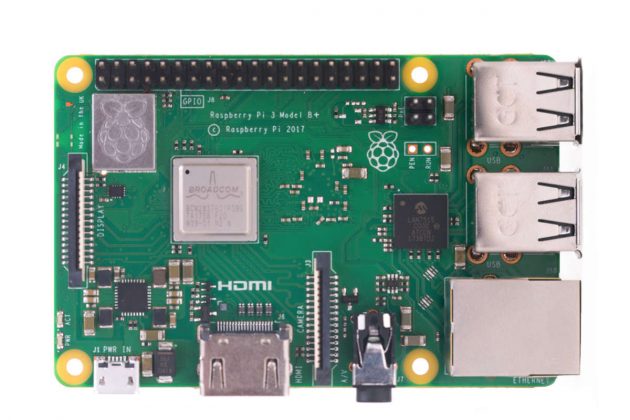
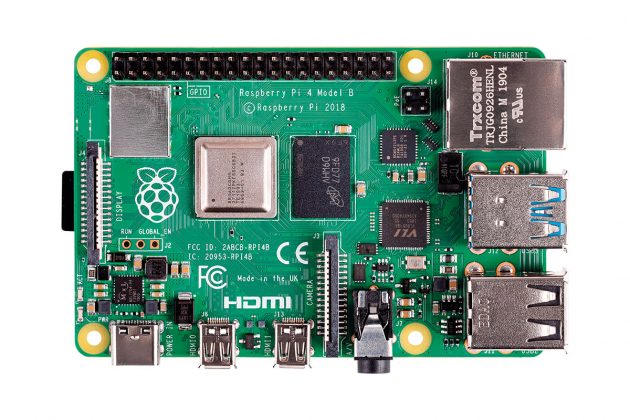
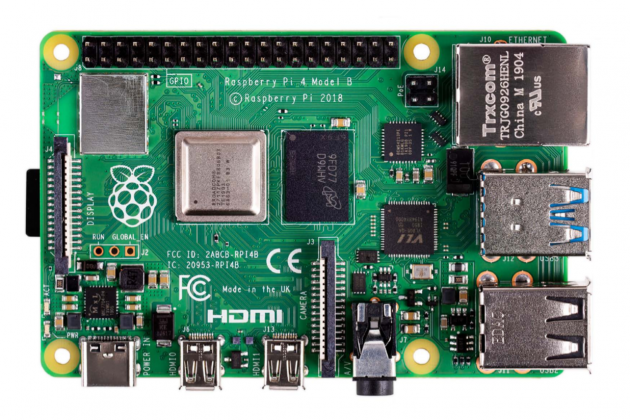
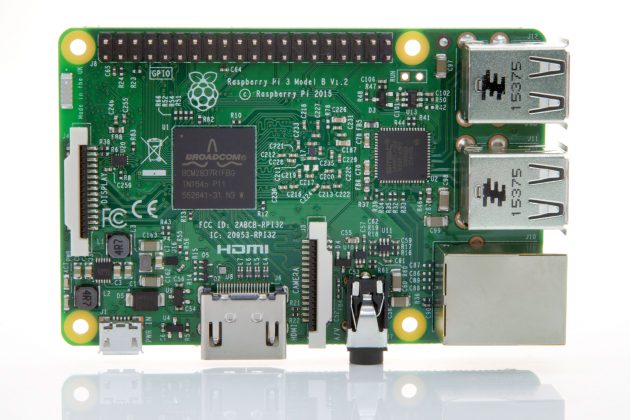
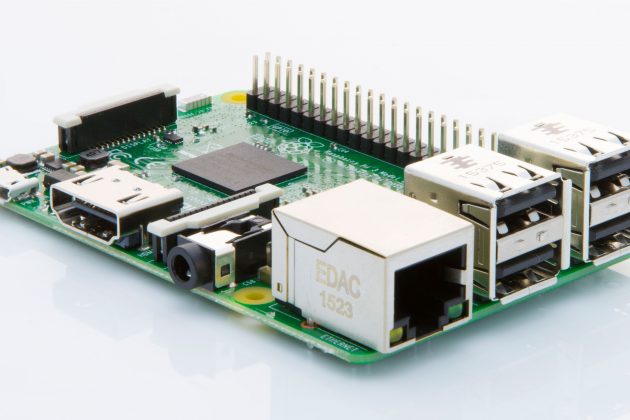
On a standard Raspberry Pi, connectors point in three different directions. That’s fine on a desk, but it makes designing a clean enclosure difficult.
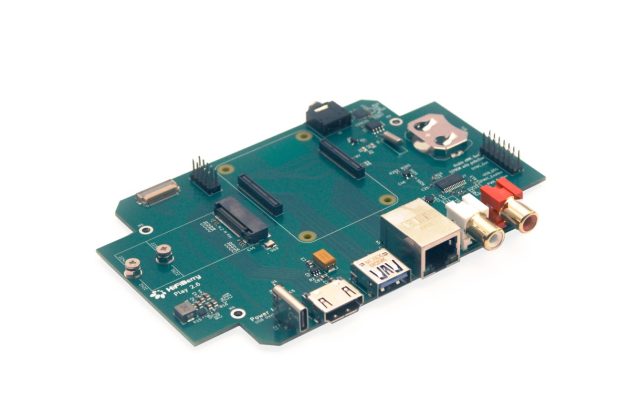
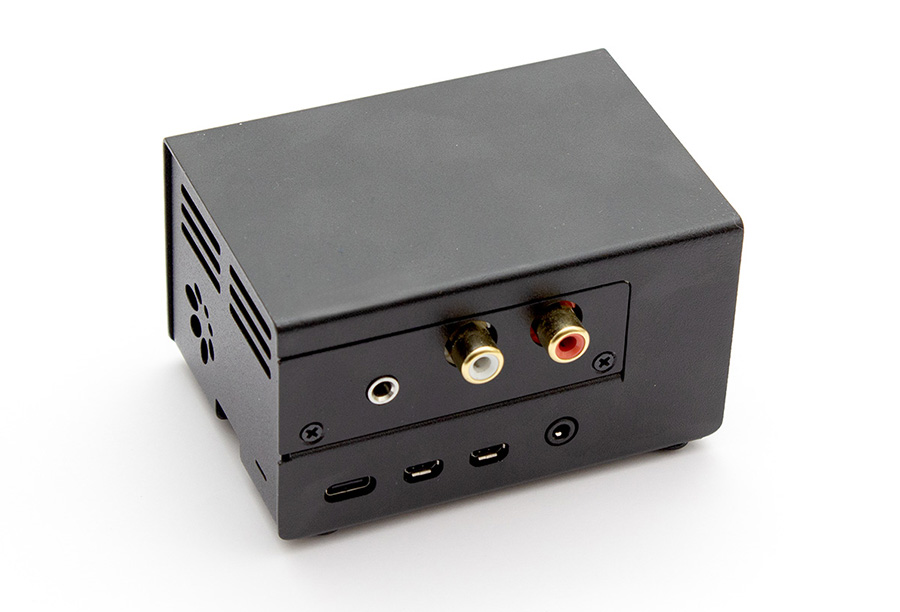
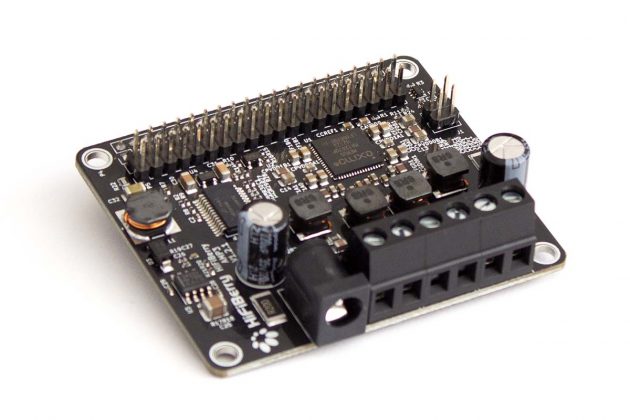
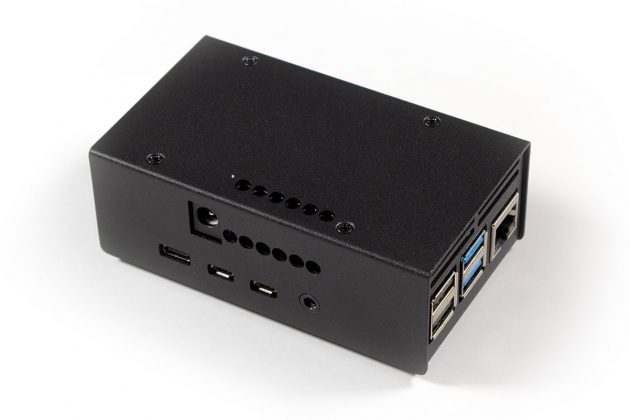
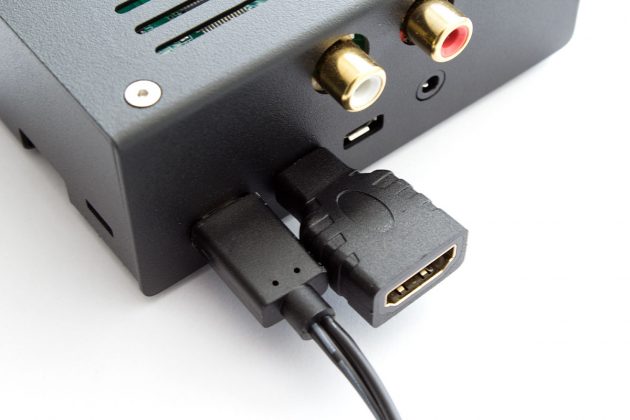
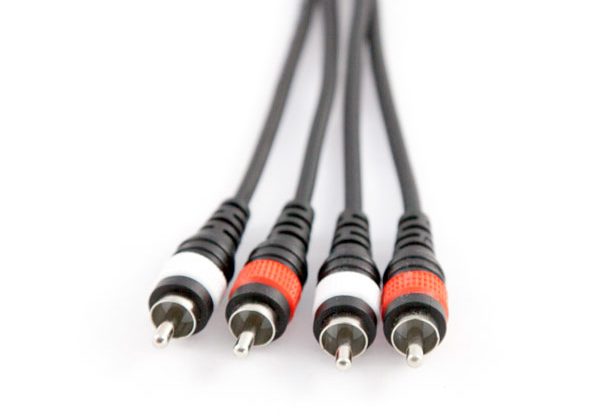
On the CM5/Play, all connectors are lined up on the back: power, HDMI, USB, Ethernet and the stereo RCA outputs. The only connector on the front is the headphone jack — exactly where you want it on a music player.
Flat Design
Because there’s no stack of a Raspberry Pi and a HAT on top of each other, the CM5/Play stays flat. The board fits into an enclosure less than 3 cm high, which leaves a lot of room for slim, good-looking product designs.
An Enclosure Without Starting From Scratch
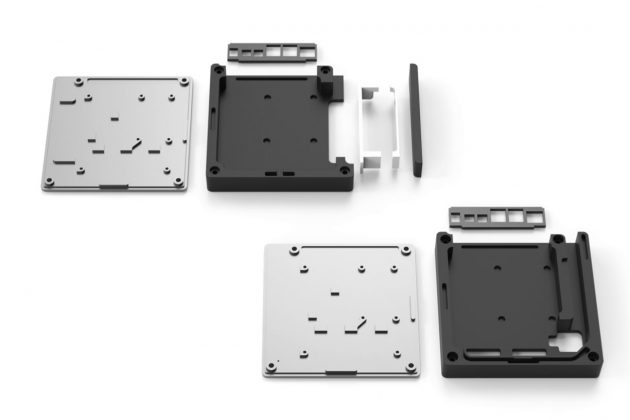
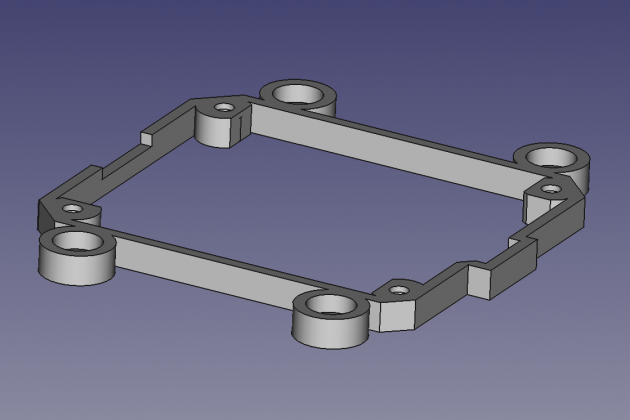
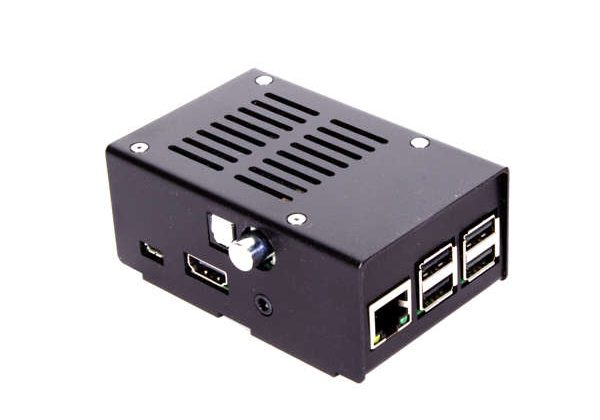
If you don’t want to design your own enclosure, or you’re on a tight budget, there’s a shortcut: the CM5/Play fits without any modifications into a Takachi PF15-3-10 plastic case (15 x 10 x 3 cm). All you need are front and back panel inserts with the correct cut-outs for the connectors — and we can provide a 3D design for these.
A Real-Time Clock That Just Works
The Raspberry Pi 5 comes with a real-time clock, but it needs a special rechargeable battery that is connected by a cable. The CM5/Play has its own RTC with a holder for a standard CR coin cell. Put a battery in, and your player keeps the correct time even after a power cut and without a network connection.
Built for Your Product
The CM5/Play you find in our shop is the full assembly option, with every feature on board:
- HiFiBerry DAC with hardware volume control
- Headphone amplifier
- Real-time clock with battery holder
- M.2 slot for 2230 or 2242 NVMe drives
- USB-C power input
- Full-size HDMI
- USB 3.0
- Gigabit Ethernet
- Stereo RCA output
We know that business customers often don’t need all of that. That’s why the board can be customized for your specific requirements from 100 units. A minimal system would just have USB-C power and the RCA jacks — but most customers will at least add Ethernet.
Leaving parts out isn’t only about cost. Removing the USB port, for example, can be a good option if you don’t want your customers to plug in devices that might interfere with your proprietary software.
Let’s Talk
Building a product and wondering whether the CM5/Play fits? Contact us at sales@hifiberry.com and tell us what you need. Want to try it first? The full version is available in our shop.
November 23, 2026